A week with the cherubs

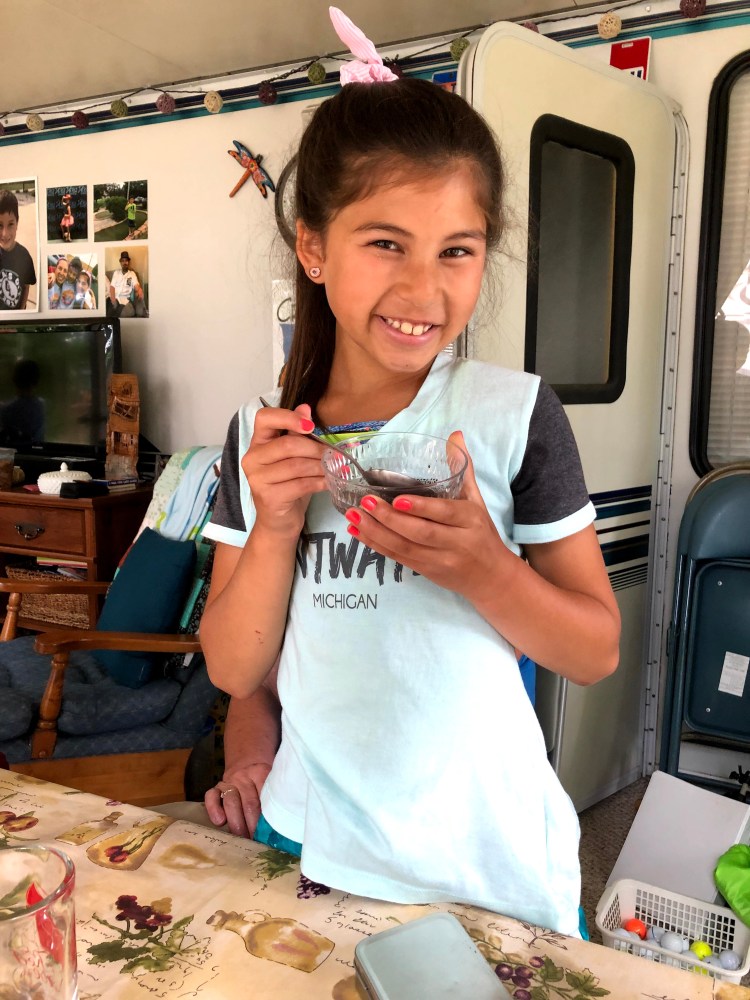
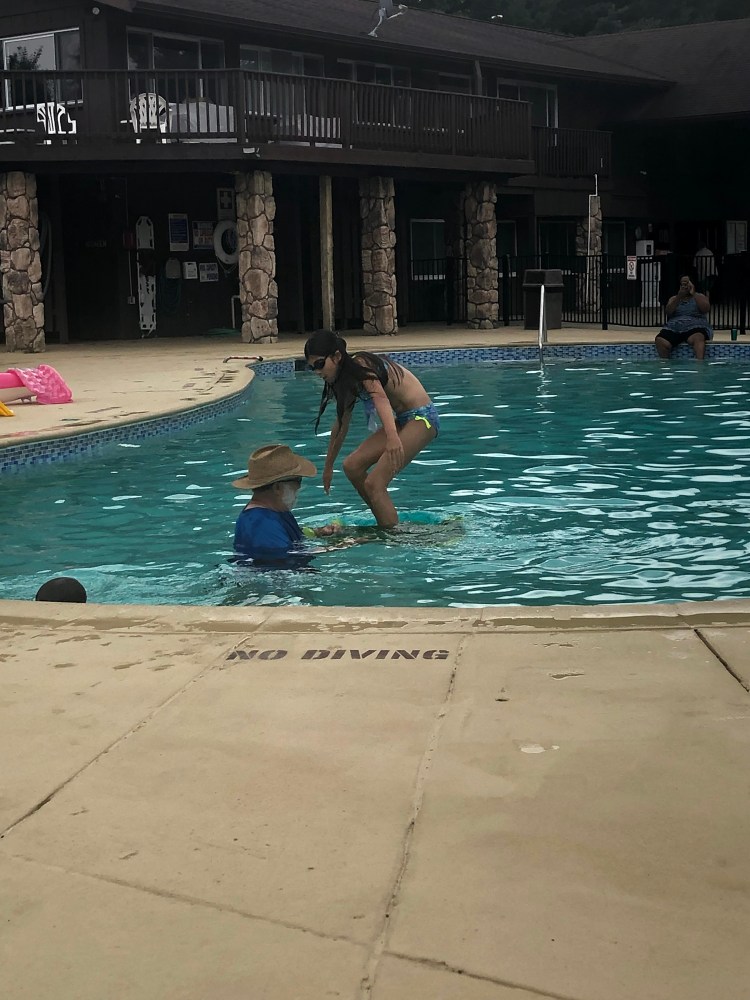
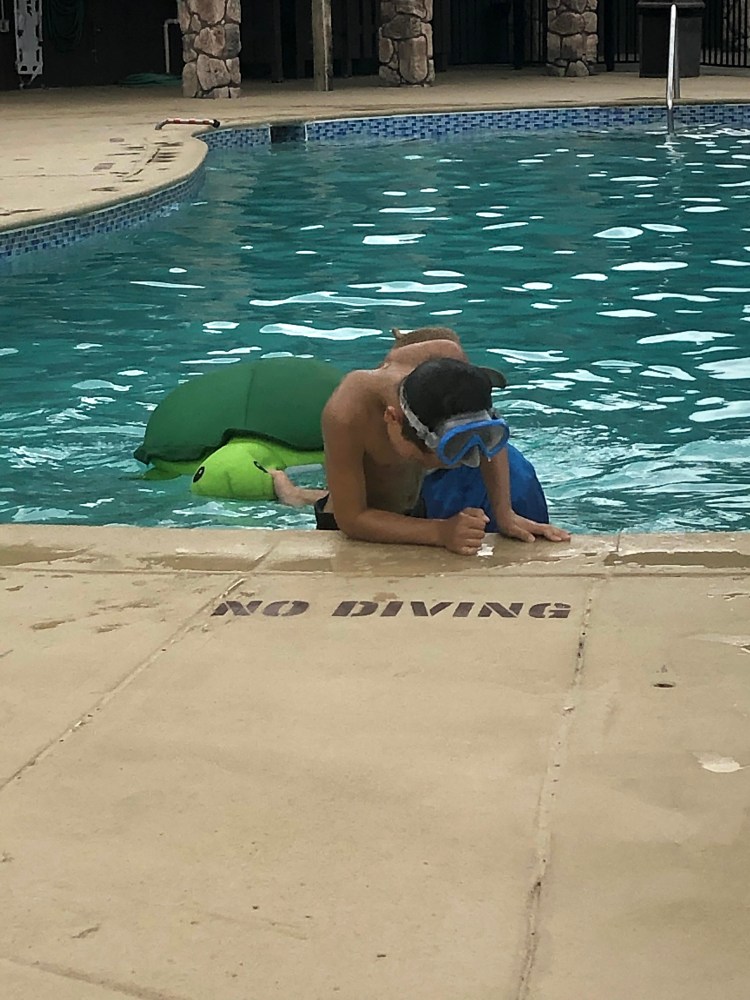
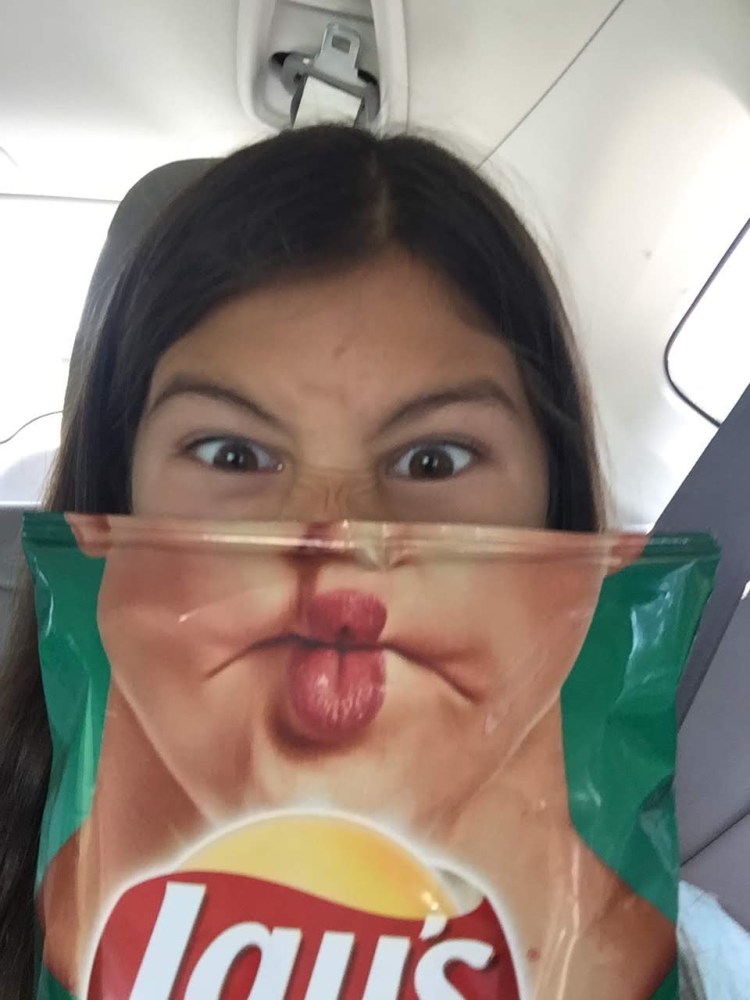
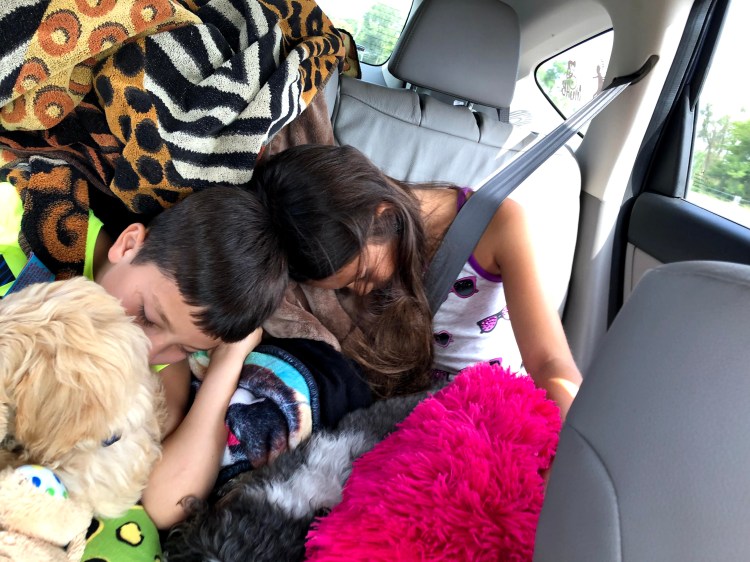
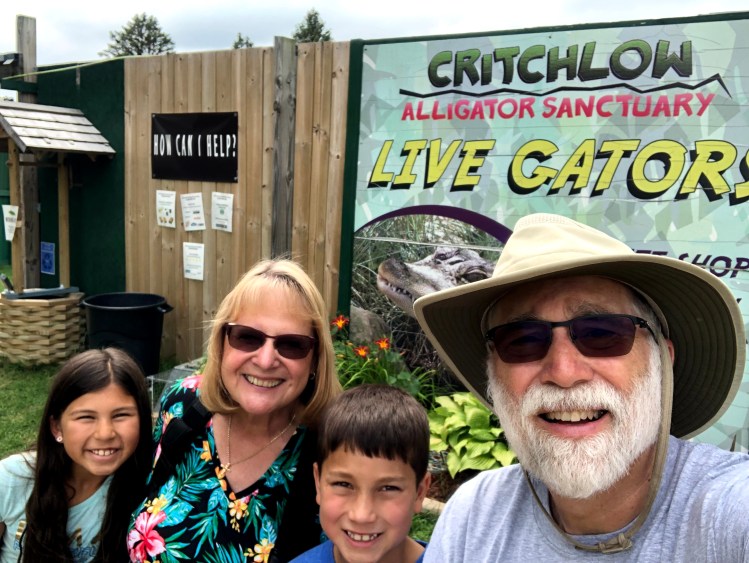
We arrived in Homer at 4:30 after a week at our White Pines Music gathering in Marion. Lindsay, Makayla, Grayson, Daisy and new puppy Brody were waiting for us. The next five days were filled with swimming, fishing, kayaking, bike riding, two projects, camp fires, outing to the alligator rescue, and chilling out. The dogs also kept us busy going for walks. We hope the kids had as much fun as we did. I slept like a baby on Friday night!
img_7215

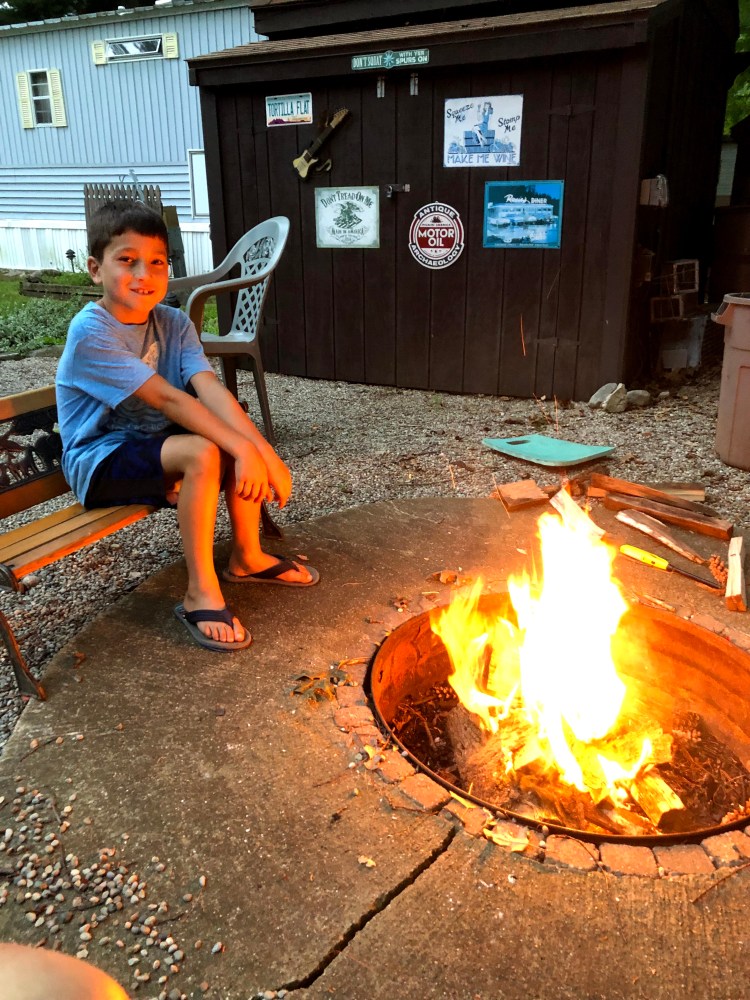
The best fire starter!

img_5520

The perfect s’mores

img_7217

Chillin time. Who can change the channel?
img_7220

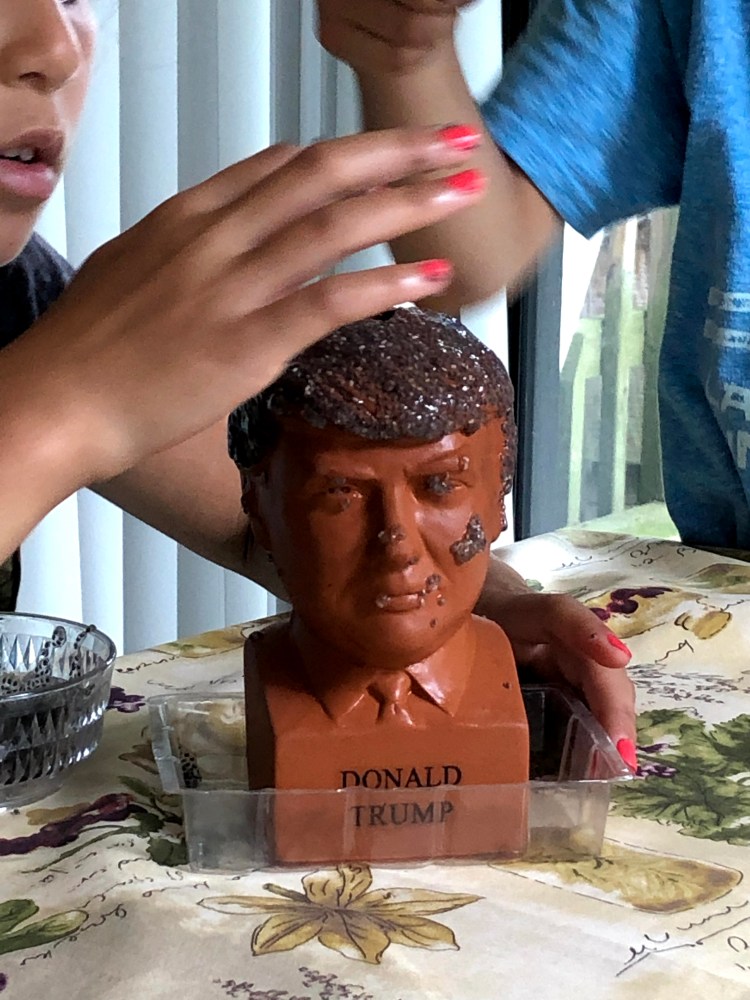
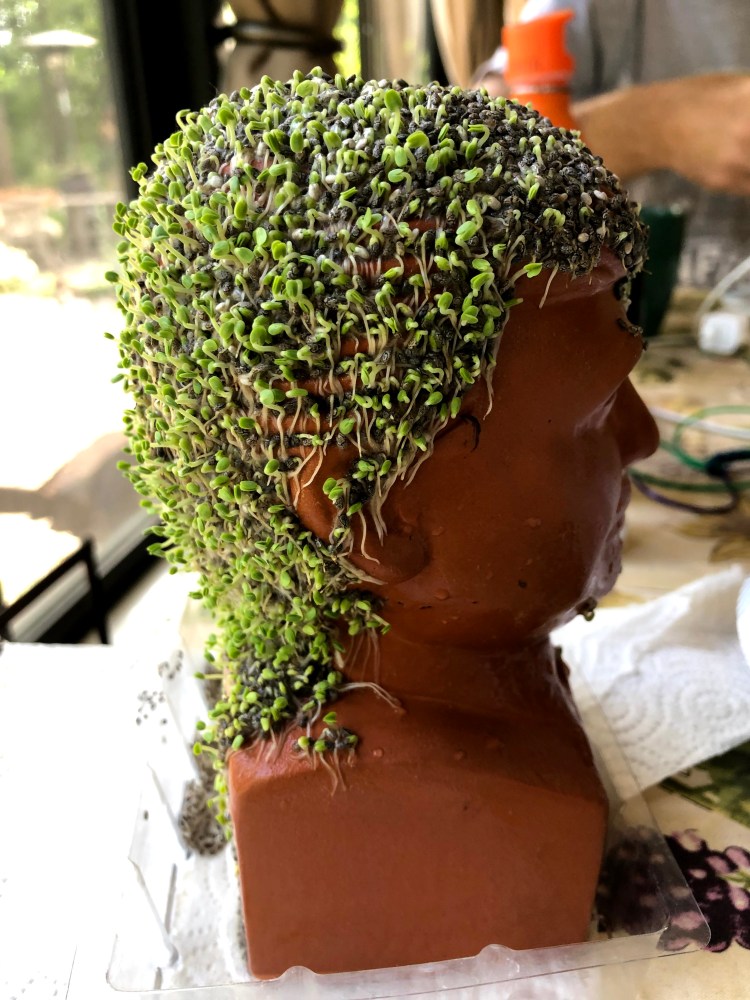
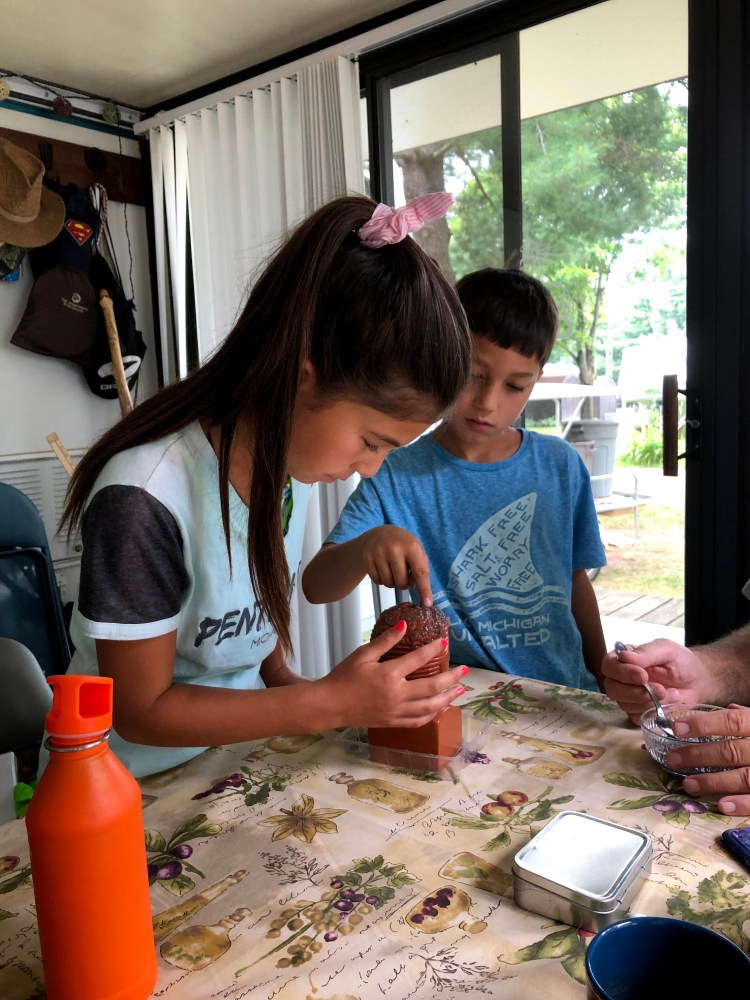
Preparing Donald’s chia hair

img_7219

Keep mixing!

img_7232

Ready set grow!

img_5527

Steady girl!

img_5530

Can’t get away from Grandpa Shark!

img_5539

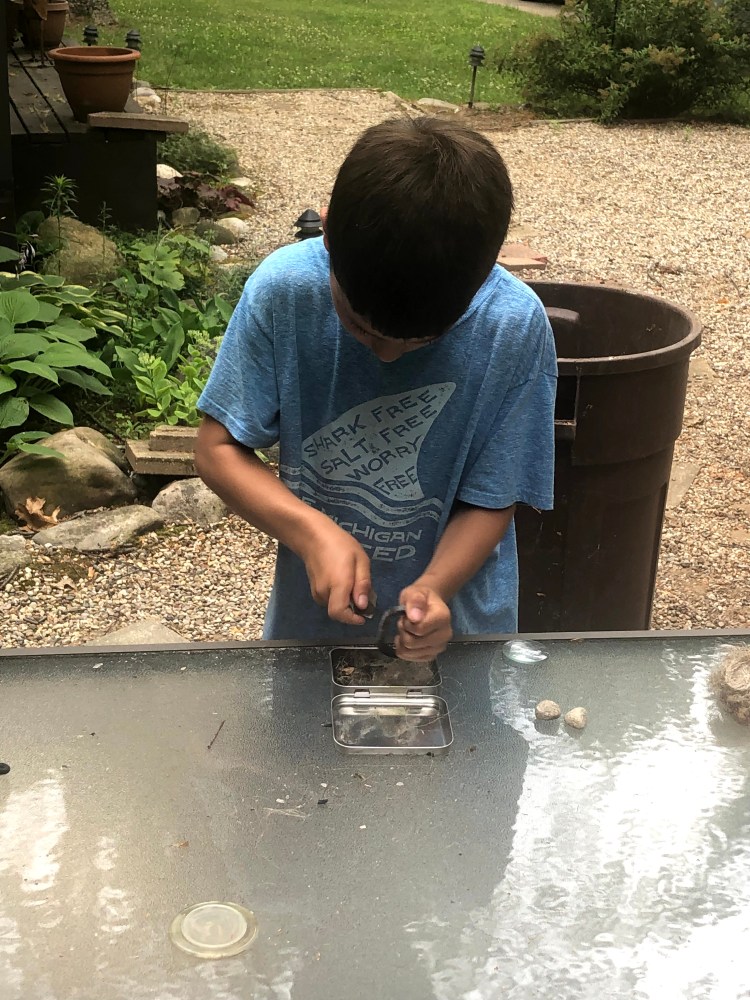
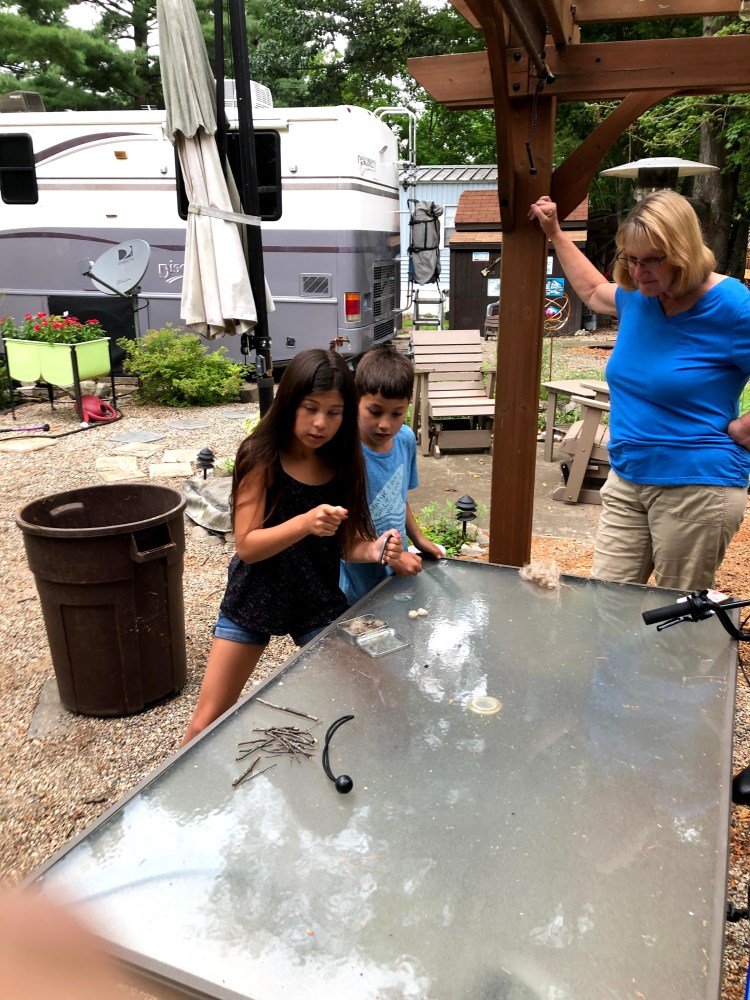
Practicing fire starting with Flint & Steel. Grayson got real good at it.
img_7238

Makayla tries her hand at Flint and Steel fire starting

img_7241

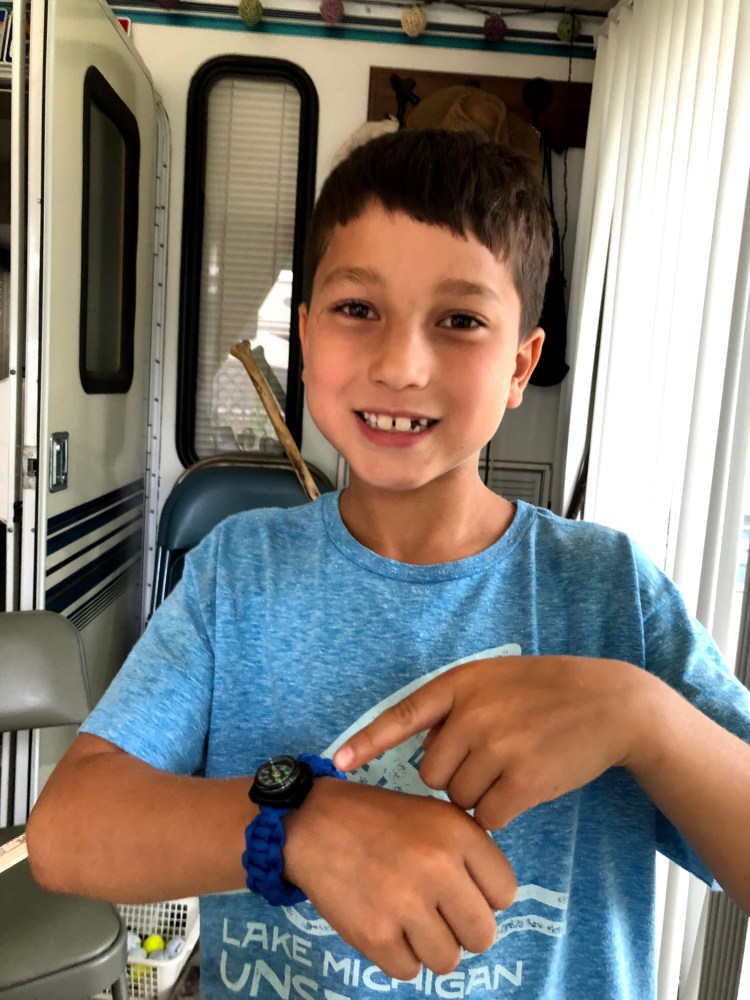
I did it! I made a Paracord bracelet.
img_5541

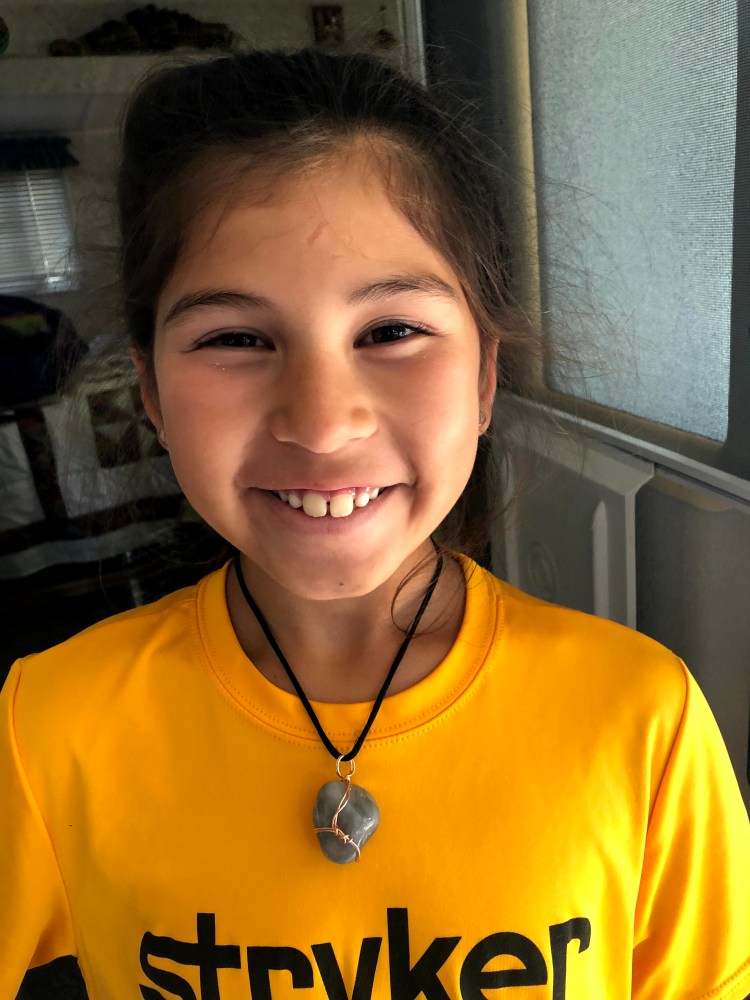
Makayla makes a beautiful wire wrapped stone.
img_1412

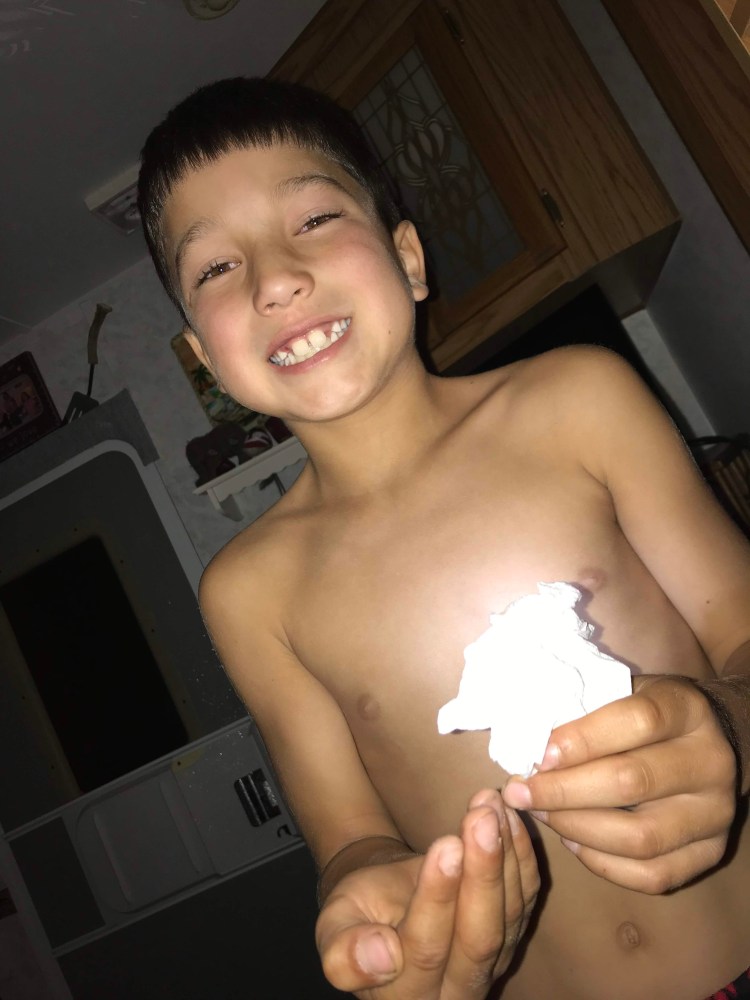
I lost a tooth!

img_0052

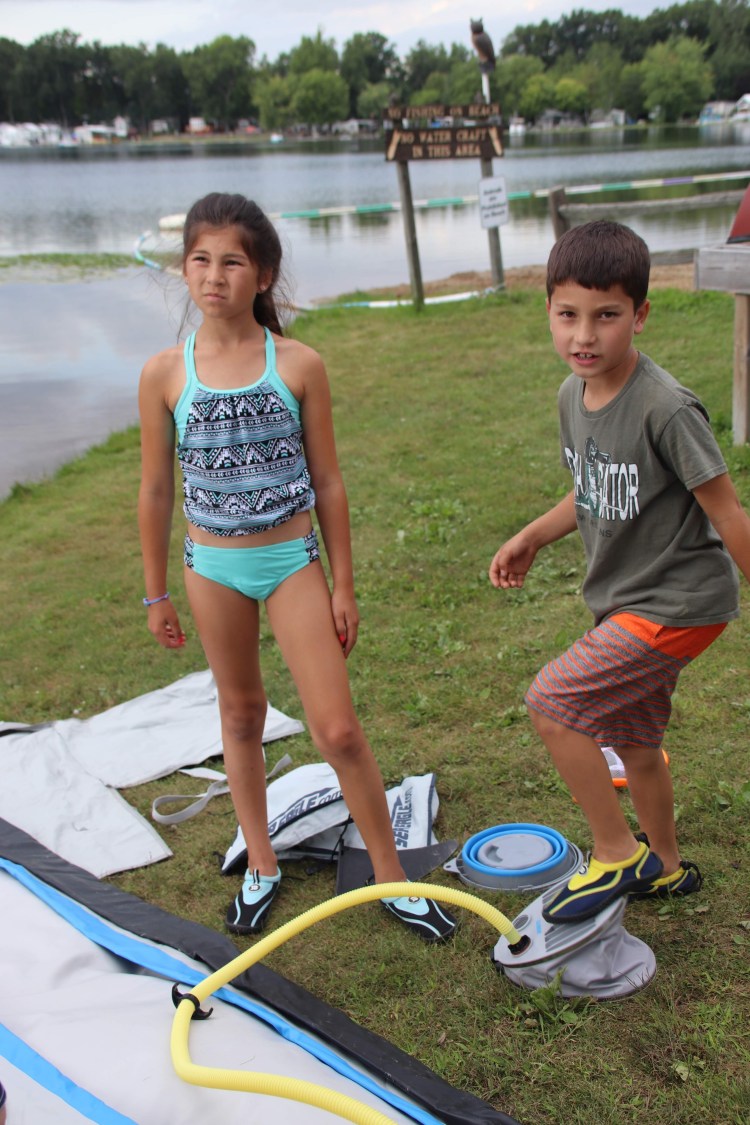
Do I really have to pump it up?

img_0112

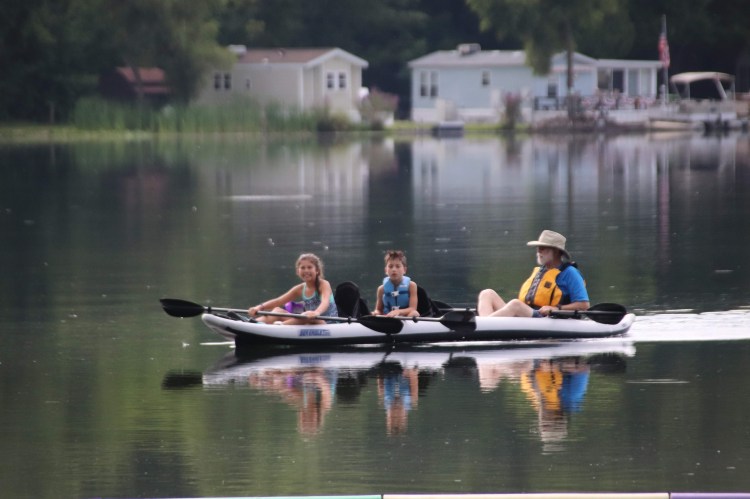
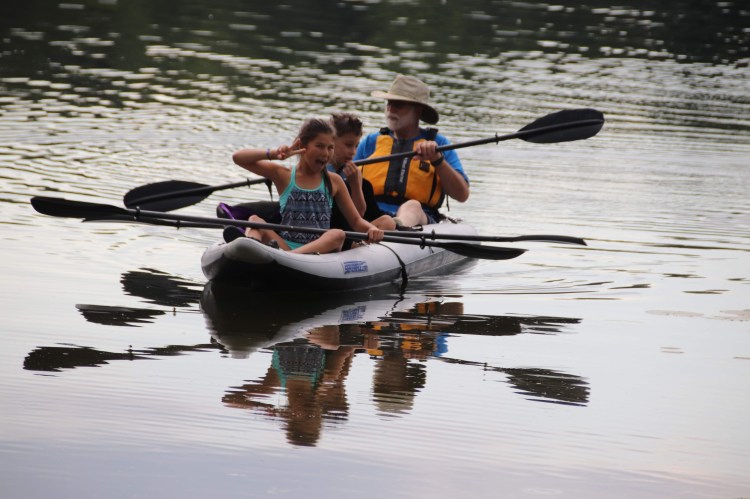
Relaxing on the water

img_0113

Makayla goofing off while Grandpa paddles!

p8140876

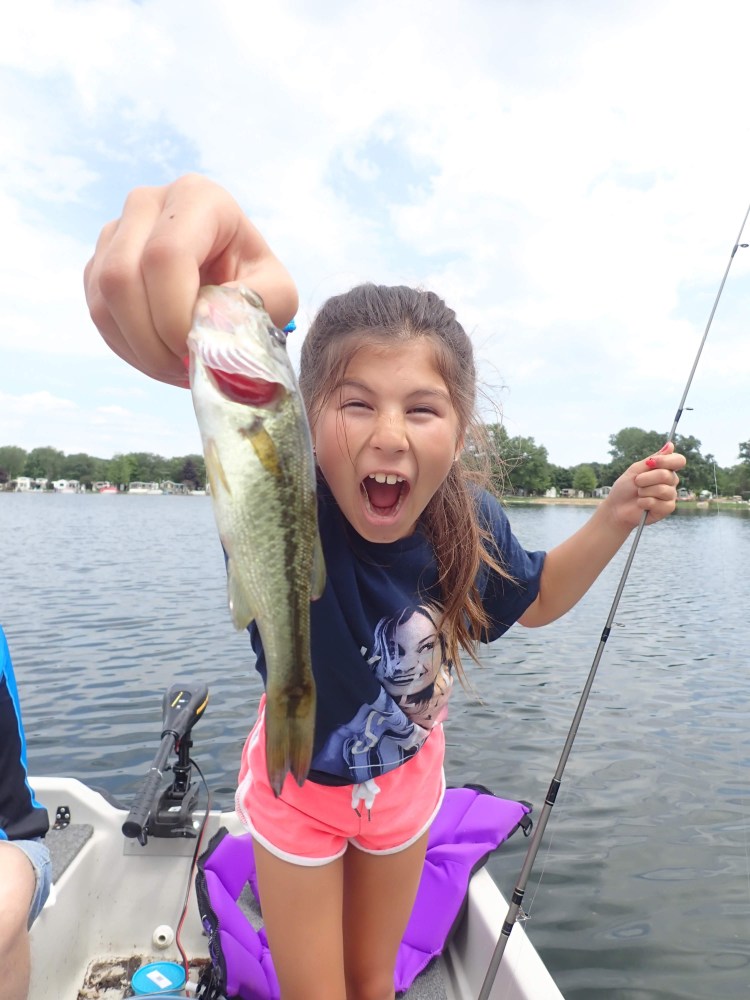
Yes I can drive this boat!

p8140880

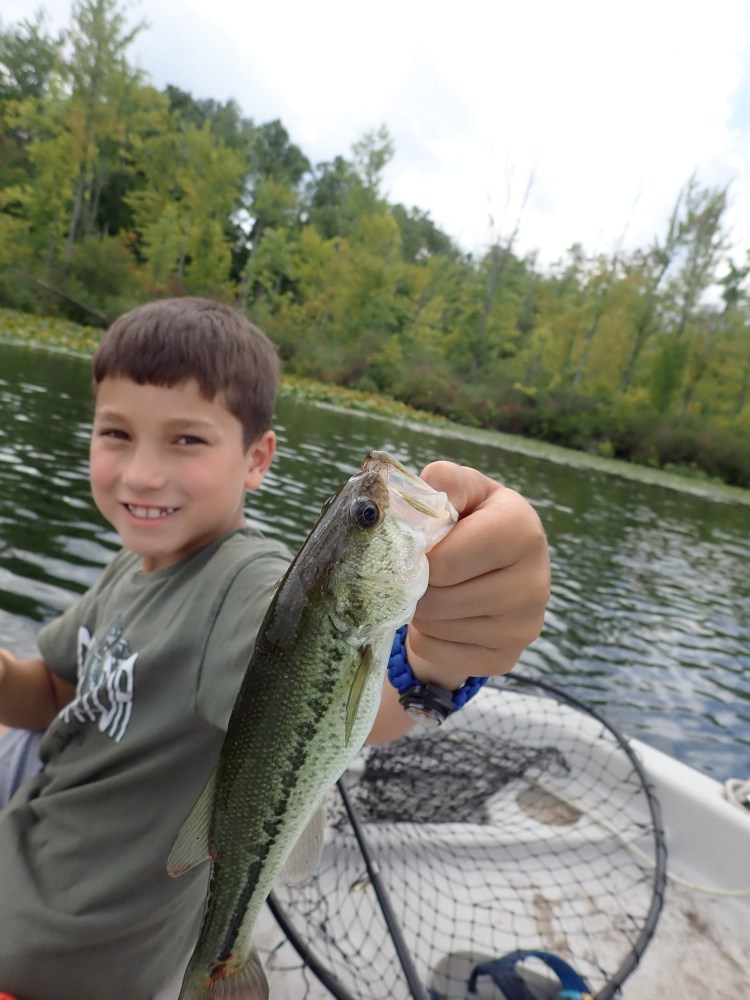
Just plain HUGE!

p8140887

I can eat it in one bite!

p8140883

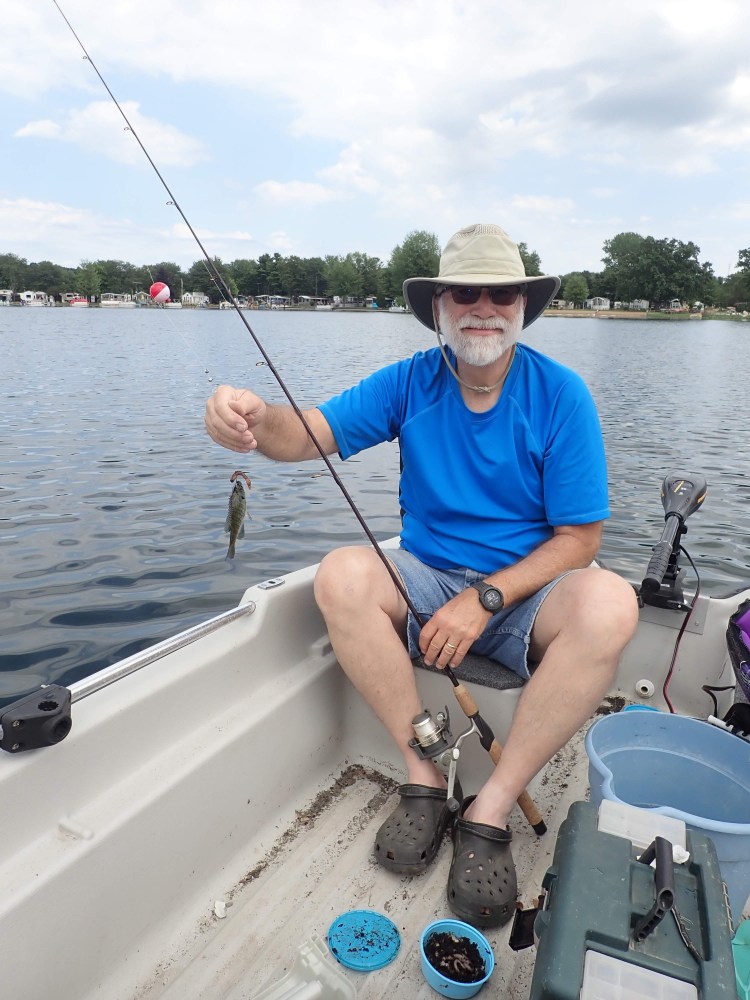
Really? Being skunked might have been better.
img_7266

Ready for live action!


img_5546

Makayla’s best look!

img_5559

We did wear them out!

img_5556

Don’s hair did grow.

Grandma and Grandpa had a great time hanging out with Makayla and Grayson. Now we will rest up until the next time 😊
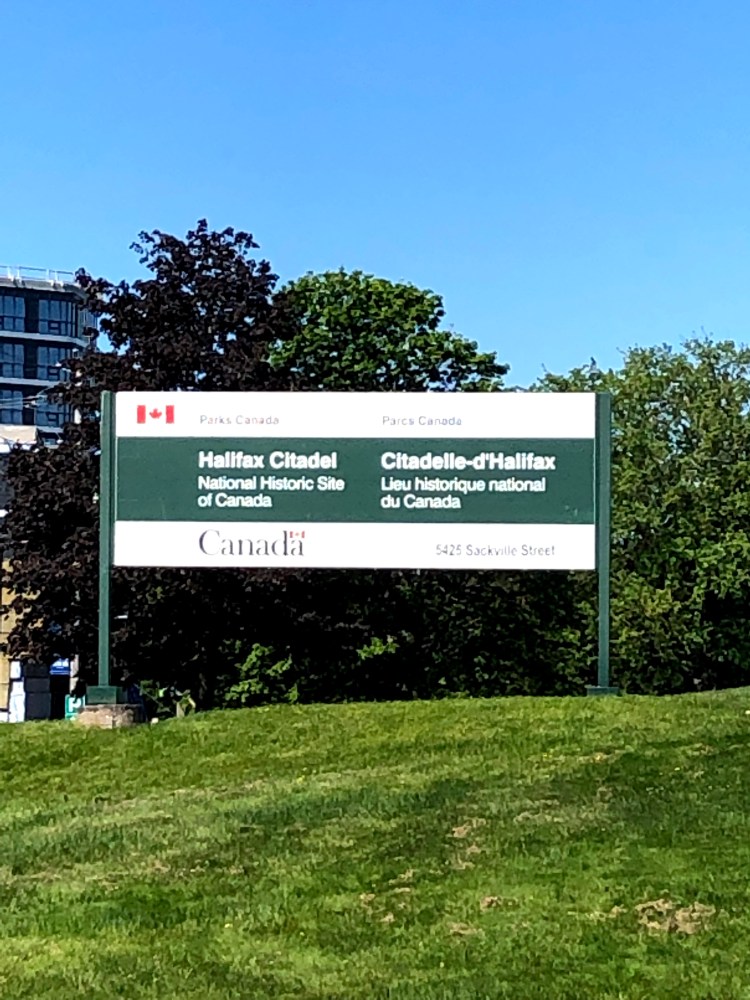


Citadel, Public Gardens, Halifax Seaport June 25, 2019

Halifax is a very large seaport city with lots of city traffic. Modern technology makes it easy to navigate the one way and curvy streets.

‘The Citadel is a huge structure with stone walls many feet thick.  It was built to protect the Halifax Harbor which is a critical harbor to Nova Scotia and to Canada as a whole. The Citadel has never been attacked but they did practice a war game during the war of 1812 with the US as the enemy.  In that scenario the US won. There were many exhibits and staff in period clothes practicing drills, shooting and canon practice.  The Citadel also houses a great military museum that spans 300 years of weapons, and other military artifacts. This was a wonderful way to spend 4 hours.

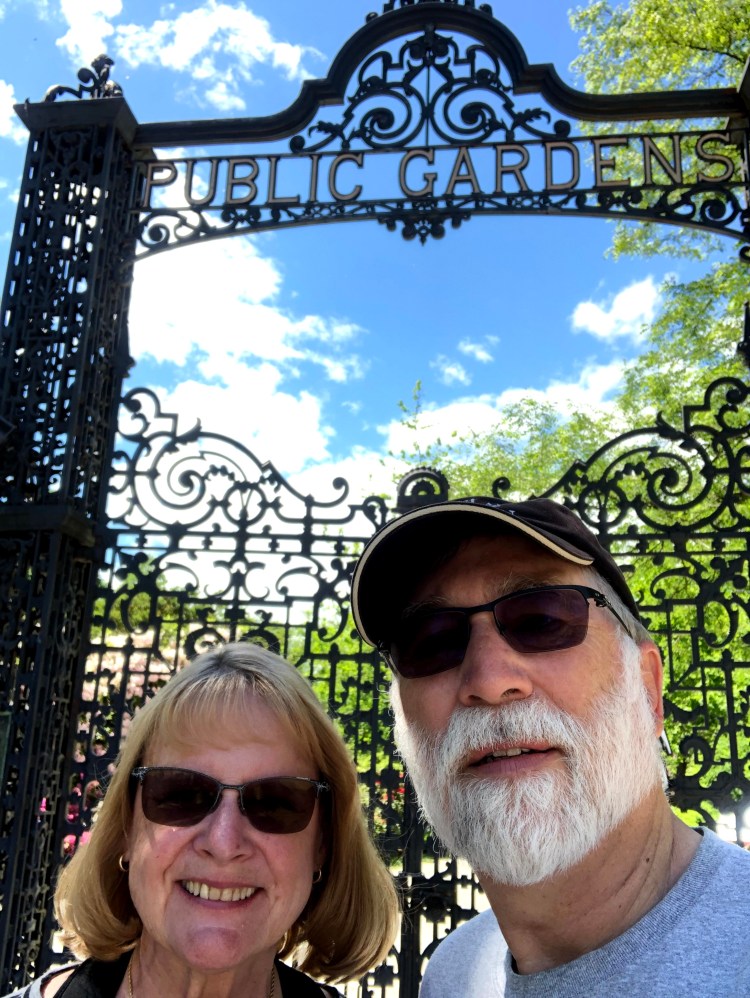
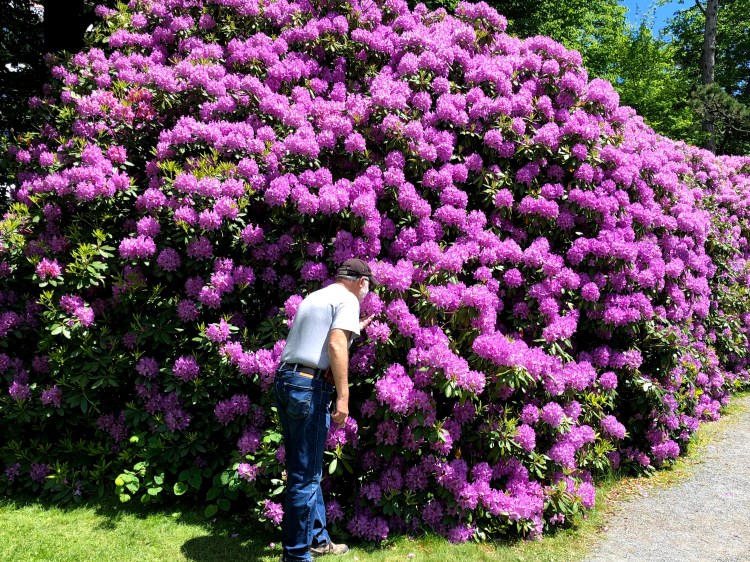
‘We left the Citadel and drove a few blocks to the public gardens.  The gardens were established in 1867 and it is the only surviving authentic Victorian Gardens in North America. The azaleas were in full bloom along with many other species. The gardens encompass 16 beautiful acres and when you go stop and have a coffee or ice cream at the shop on the grounds.  A great place to have a picnic.

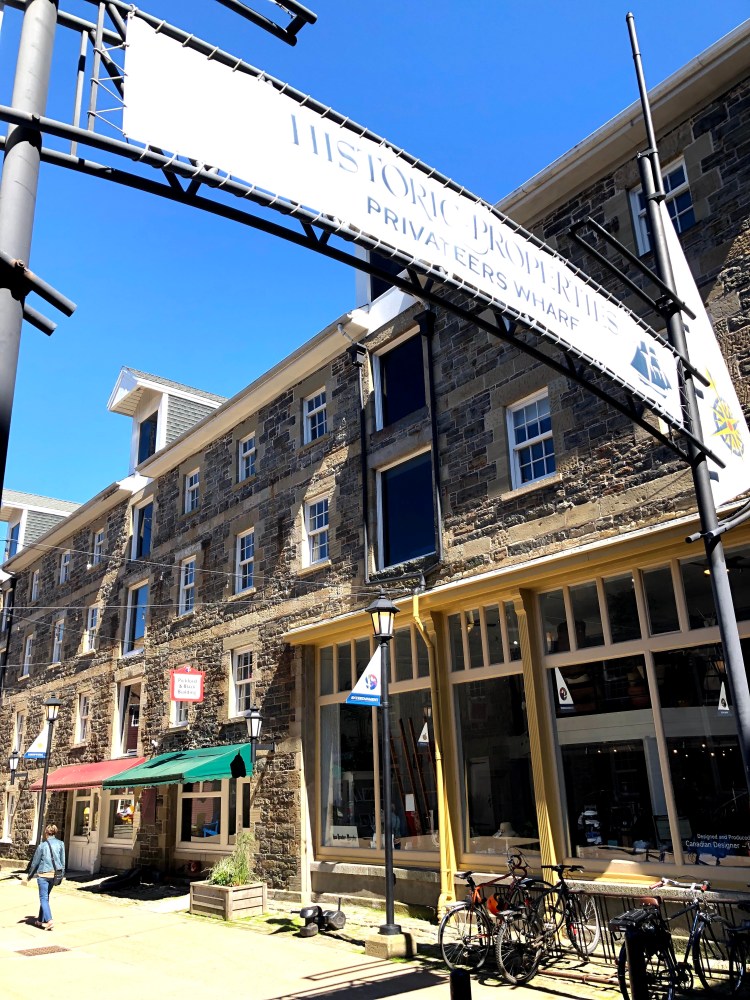
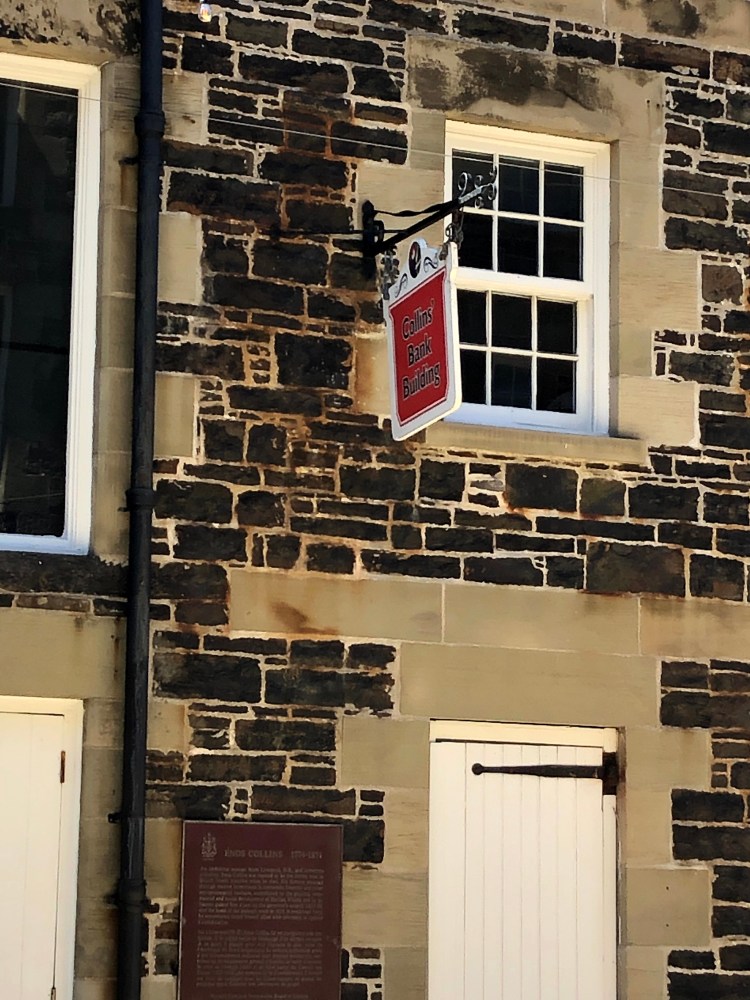
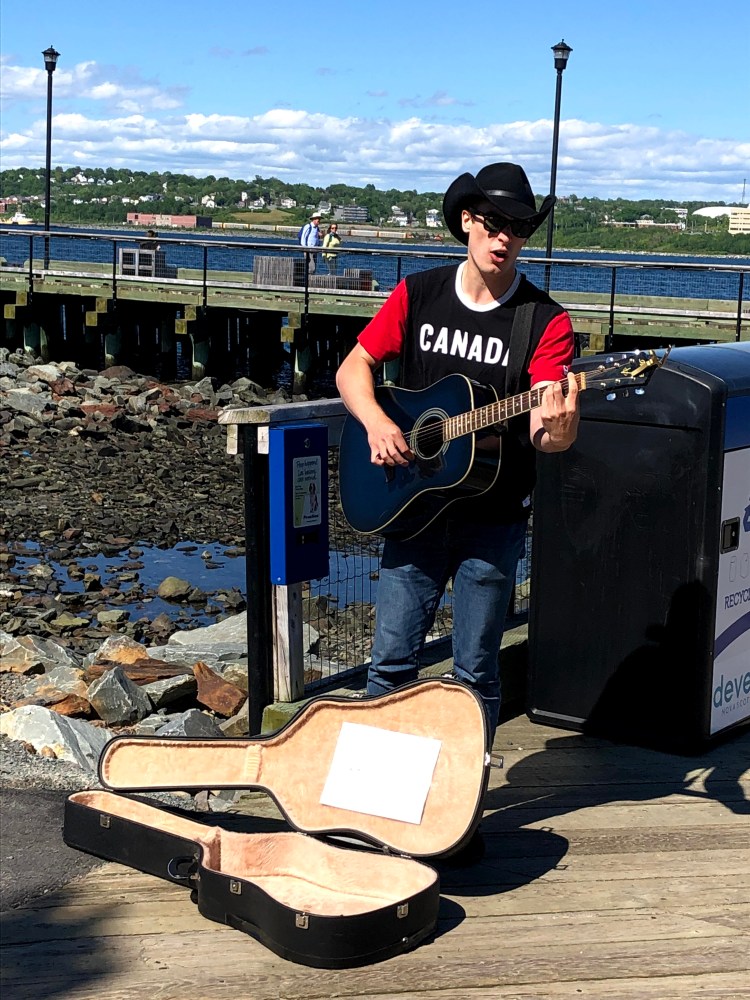
The Boardwalk along the Halifax Seaport and especially pier 21 which houses the Seaport Farmers Market is an eclectic assortment of retail and specialty services. We walked the boardwalk from Pier 21 to the Privateers Wharf where we saw the first bank building in North America and the oldest building in Halifax, the Privateers Warehouse.  Along the way we enjoyed people watching and street musicians.   Halifax is a great city to visit, bulging with friendly people, history and interesting sites to see.

img_5093

img_7057

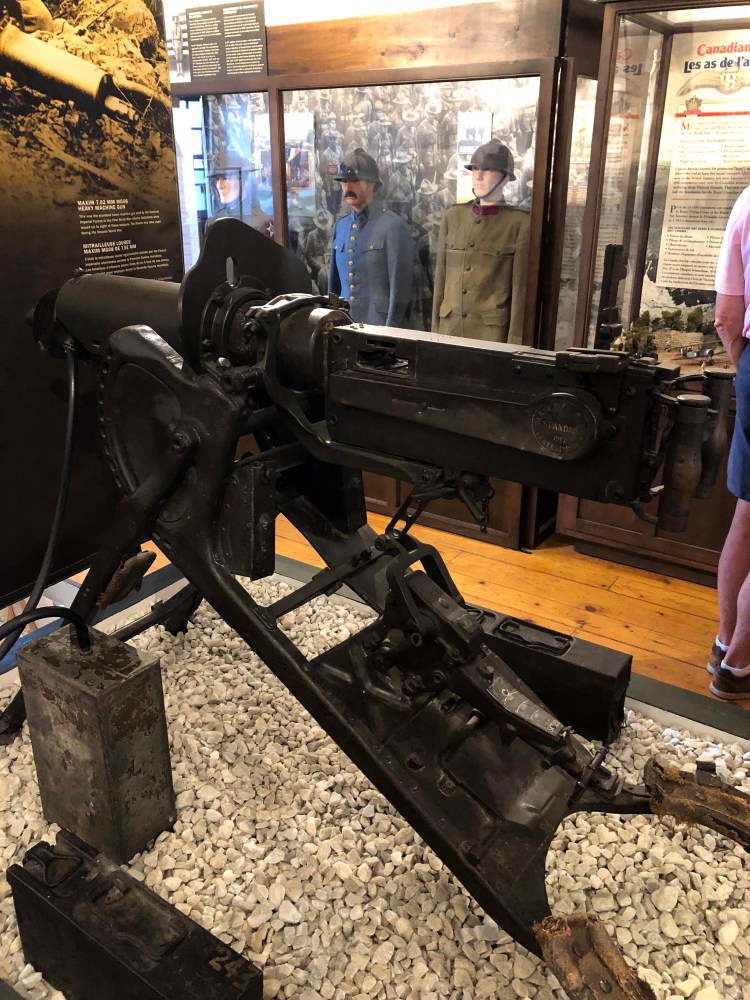
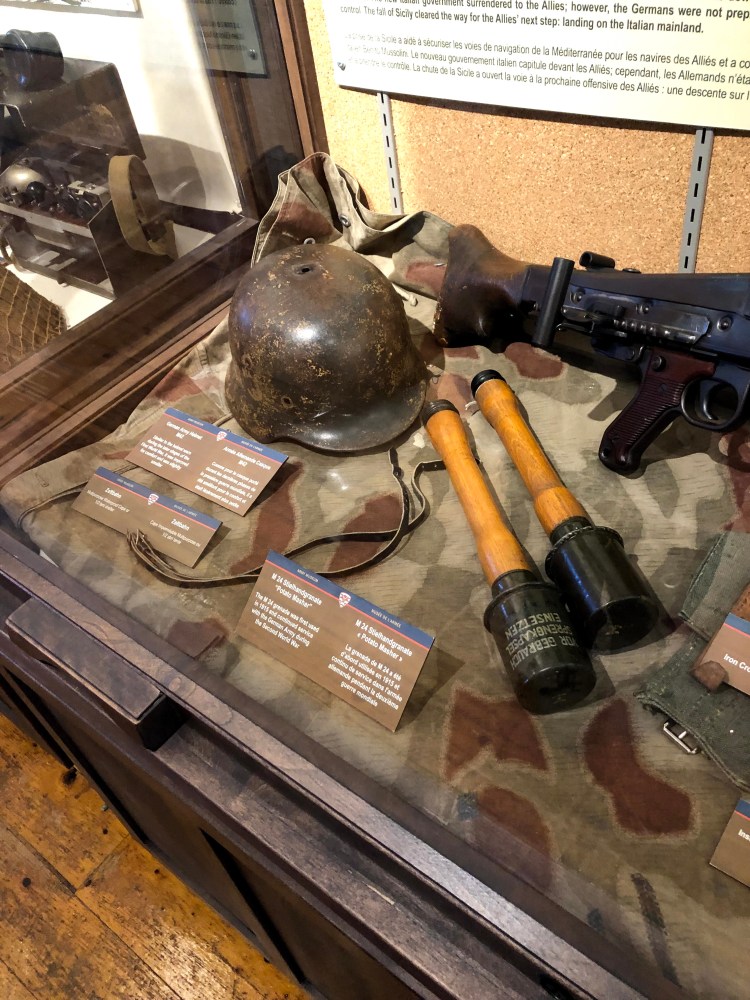
Maxim machine gun in the military museum

img_7065

WWII weapons and material

img_7062

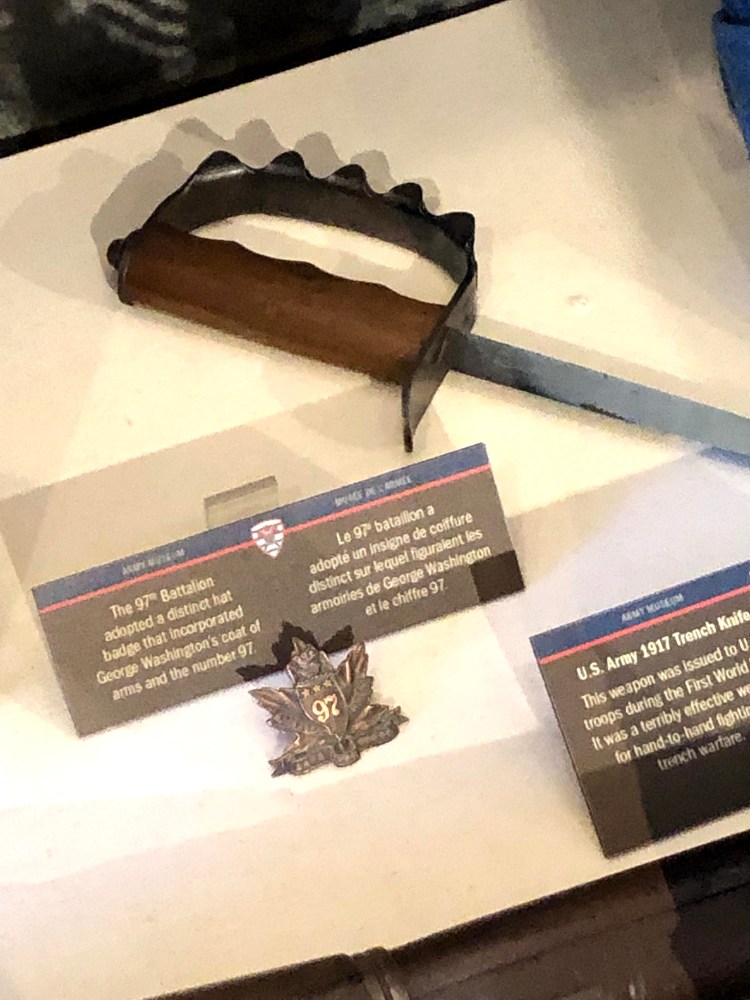
WWI trench knife

img_7005

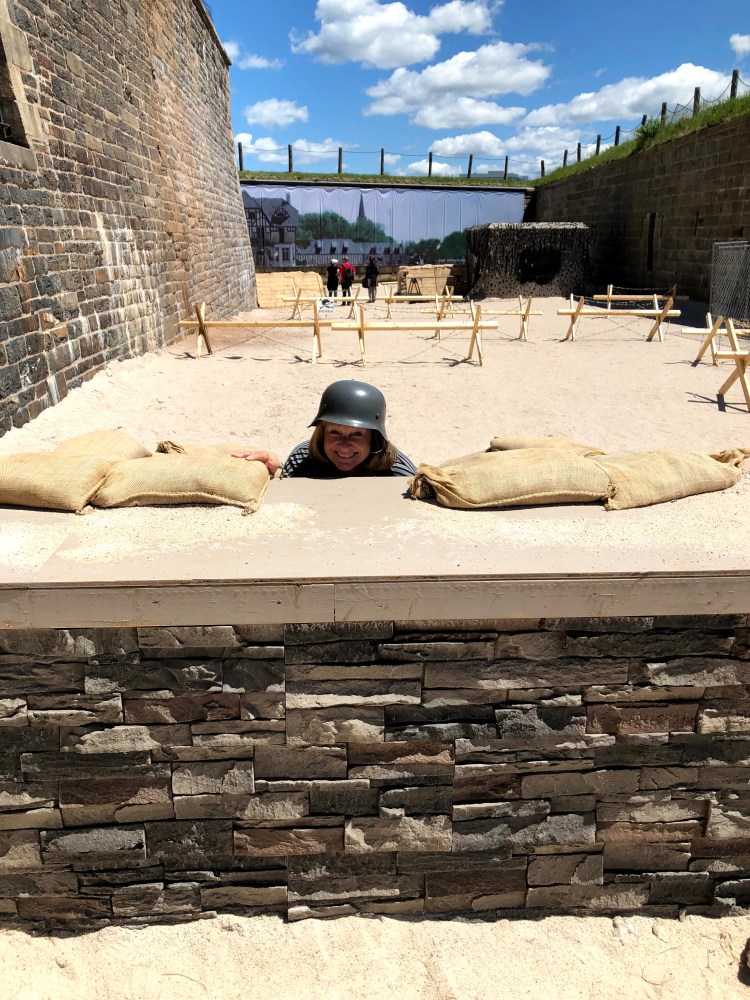
Nancy playing a German defender on Juno Beach display

img_7082

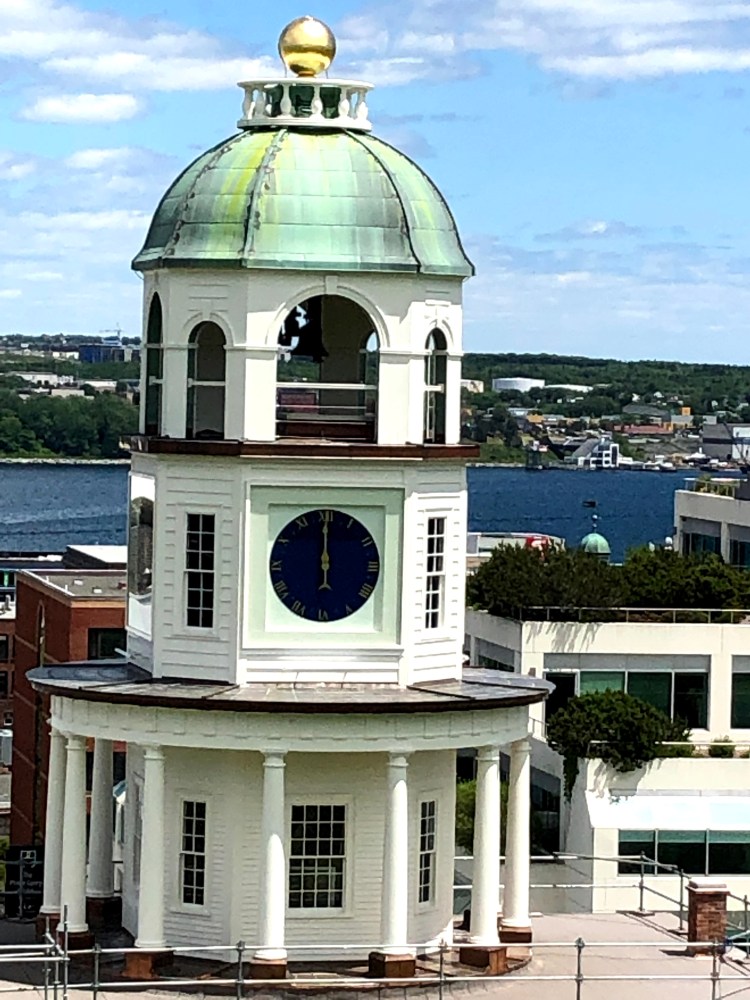
Halifax old town clock built by Citadel commander so troops were always on time.

img_7087


img_5137

Stopping to smell the azaleas

img_5948

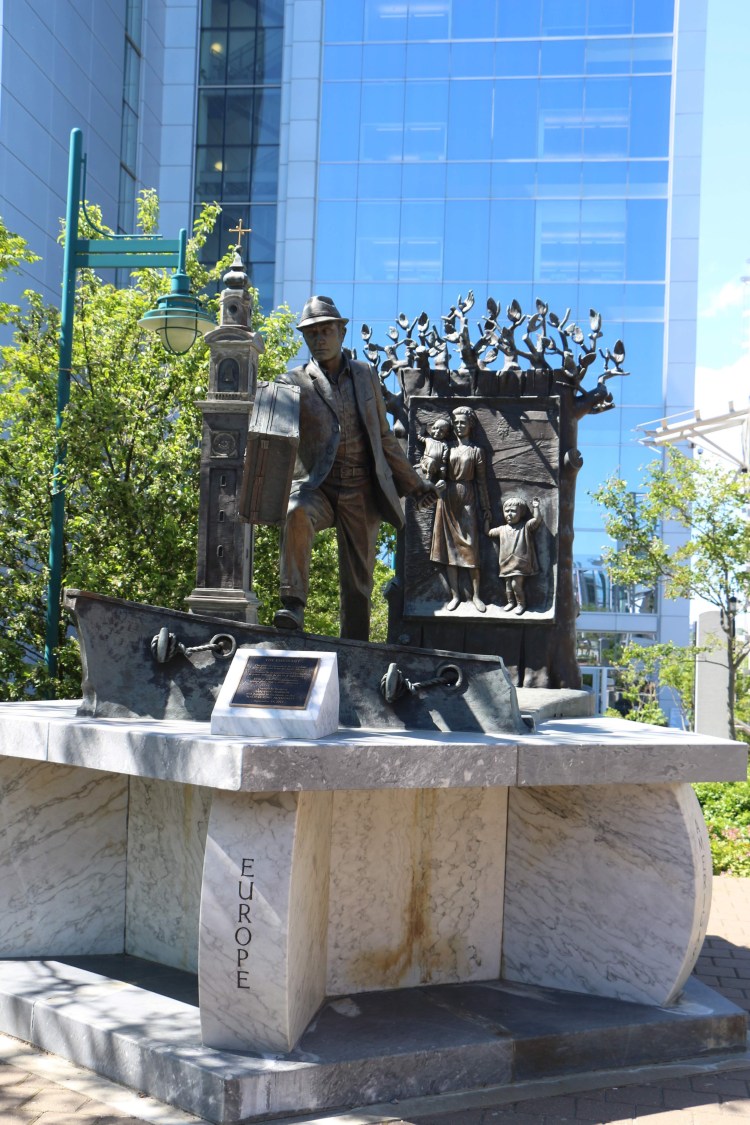
Statue of people arriving at the Halifax Seaport.


img_7118

Privateers Wharf

img_7120

Oldest bank building

img_5151

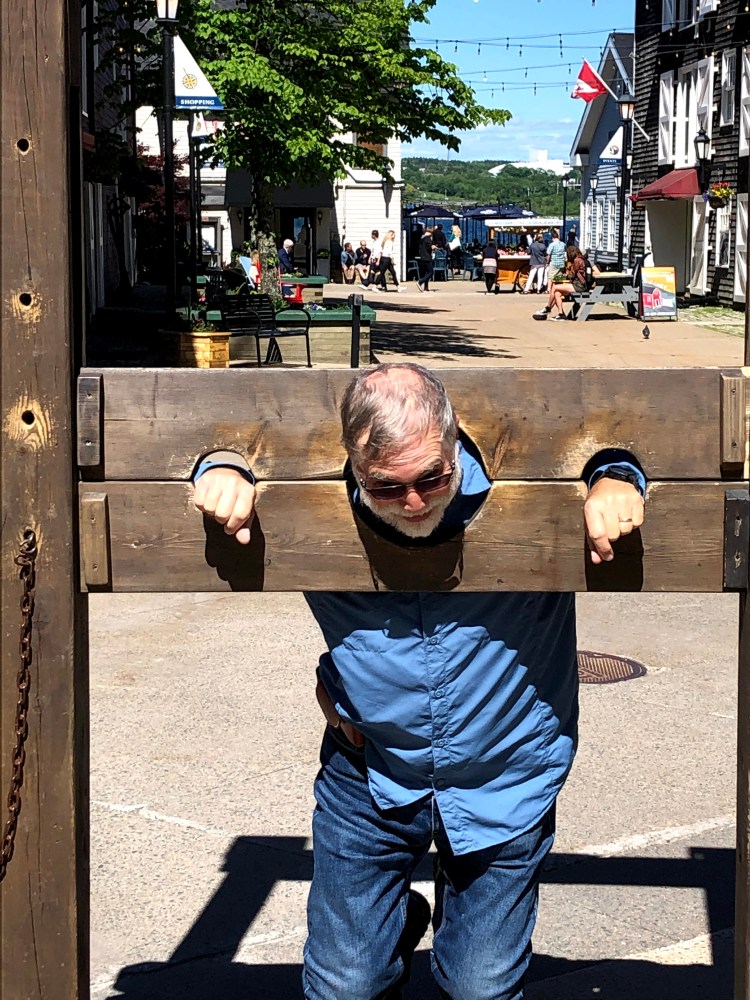
Dave all locked up!

img_5153

Street musician

Oak Island & Lunenburg June 24, 2019

Oak Island is located about 50 miles south and east of Halifax and made famous by the History Channel program of the same name. For over 200 yers people have been hunting treasure believed to be deposited by pirates or the Knight’s Templar. We were unable to book a tour on the island itself but we did cross the causeway and visit the Interpretive center.  The center had many of the artifacts that have been found which we have seen on the many episodes that we watched on TV.  We talked to several other visitors and they suggested that we take a boat tour. I called and booked a late afternoon tour. After taking pictures and buying souvenirs we left the island to go to Lunenburg and the Fisheries museum.

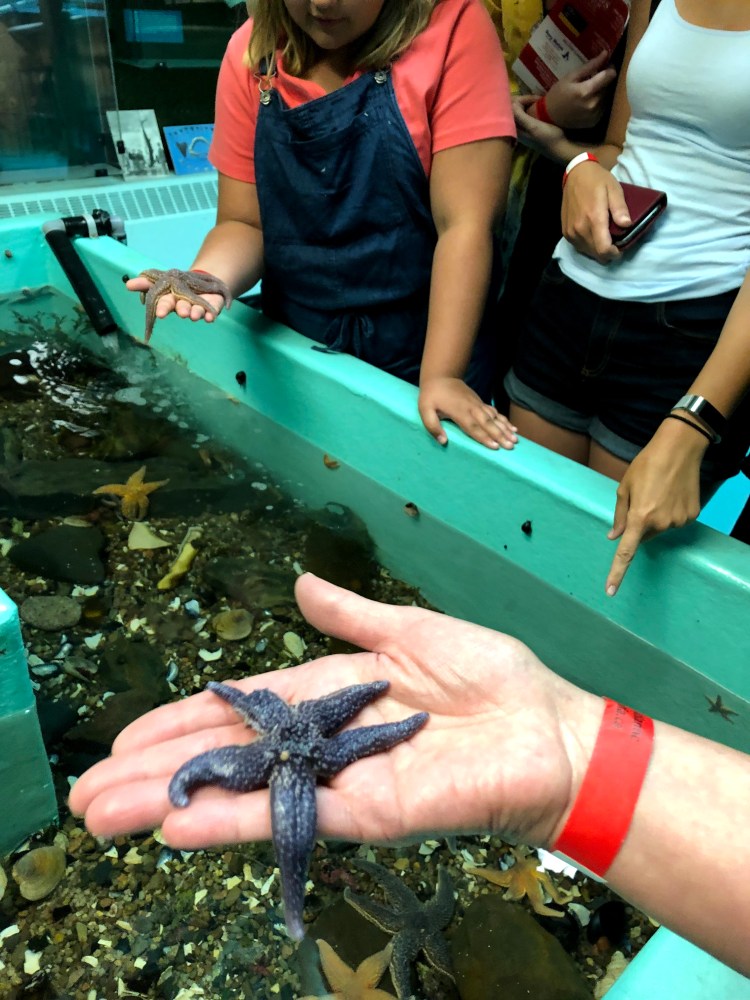
Lunenburg is a working fishing village and tourist Mecca. It is home to many shops, restaurants and the Fisheries Museum of The Atlantic. We didn’t go shopping but we did visit the museum which was excellent.  In one area of the museum we could hold star fish and other small sea creatures which was really cool. The museum did a great job walking you through the history of fishing in the Atlantic from the ships, equipment and the people, including what it meant for life on land.  One interesting focus was “bottle fishing” which is what they called rum running during prohibition.

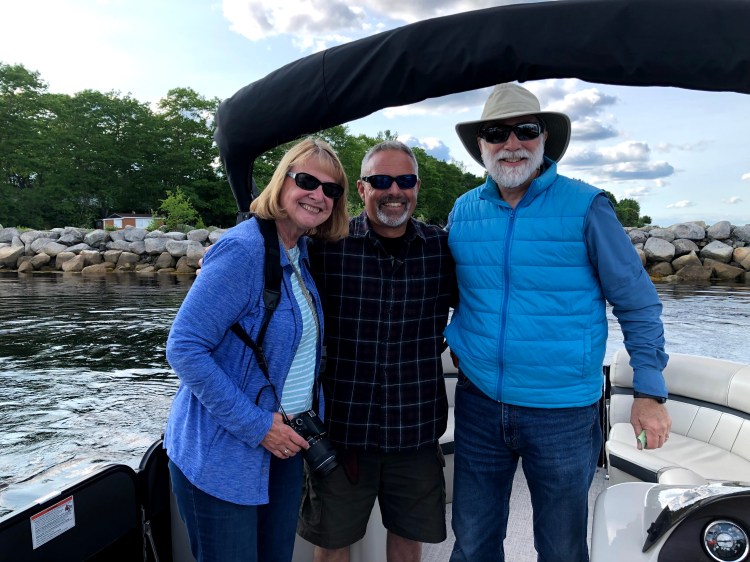
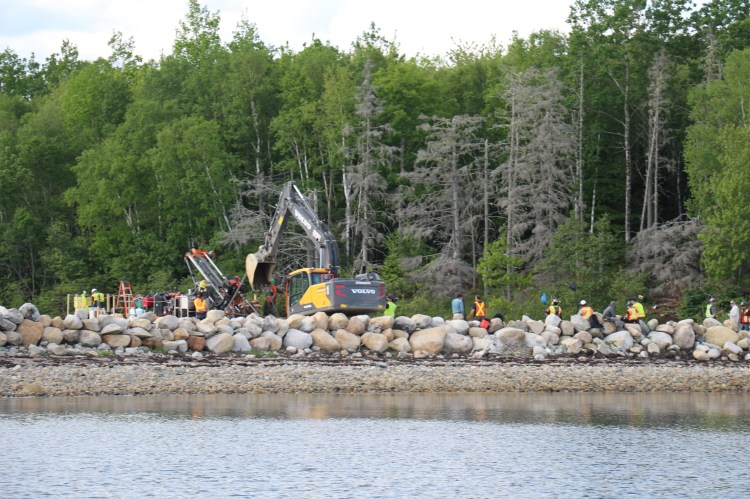
After the museum we headed back to Oak Island for our boat tour.  One other couple joined us along with Captain Tony. Tony is a certified diver and besides being a diver on the Oak Island show he works all over the world on various dive projects. Besides giving us the “inside” scoop about Oak Island he told us many stories about dives he’s been on and showed us many artifacts that he’s collected.  During the tour he talked about the Lagina brothers owning 75% of Oak Island and other behind the scenes tidbits. The tour took us right to where they were filming the show. Rick Lagina was being filmed while we sat in the boat about 300 feet away.  Rick waved to us and we slowly drifted by.  We got a sneak preview of what they were searching for on June 24.  It was very cool and we can’t wait to see the episode.

img_6880

Nancy holding starfish

img_5709

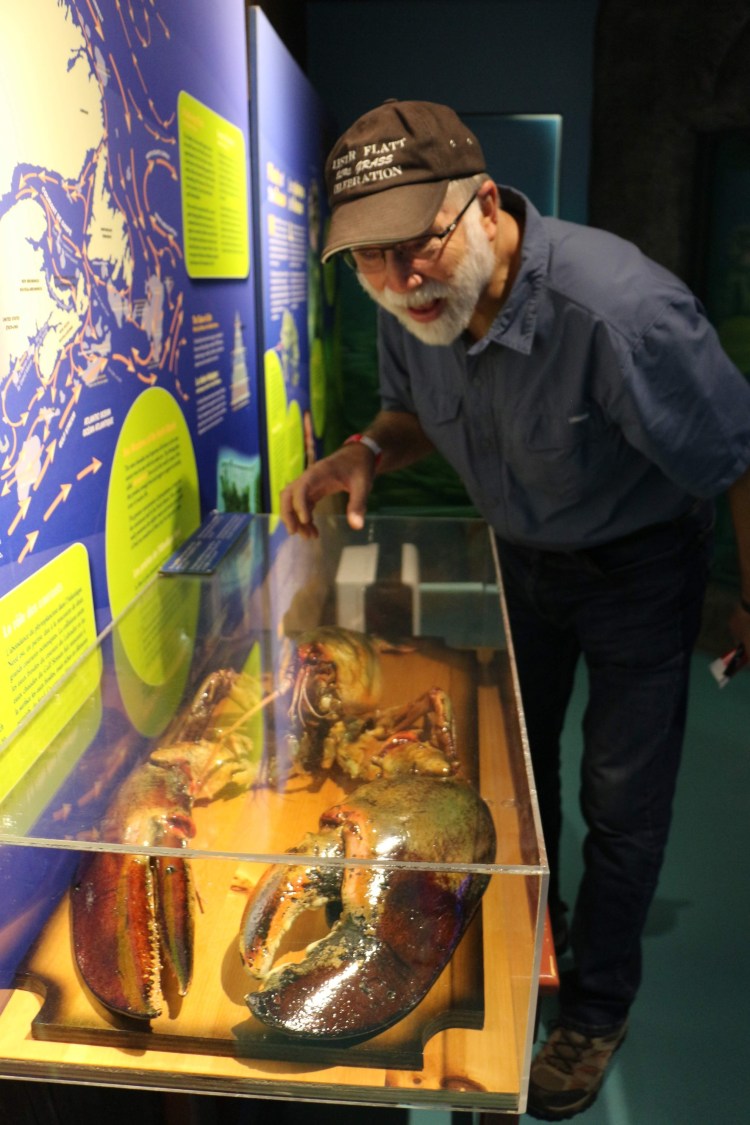
Huge lobster!

img_6904

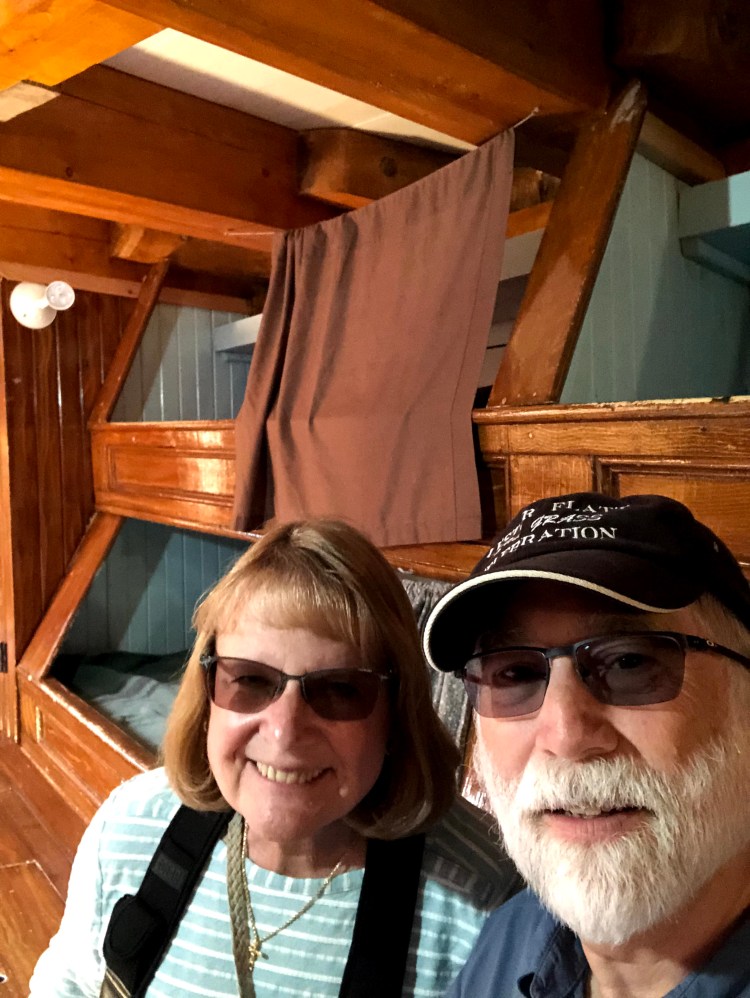
Berthing area on fishing vessel. Not very big!

img_6907

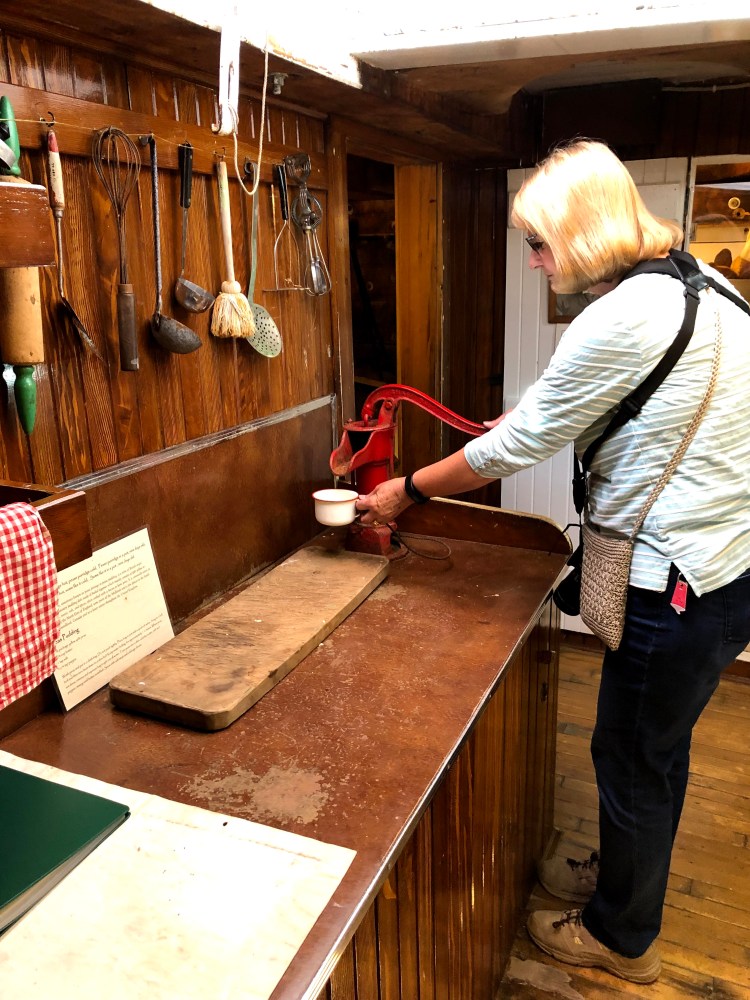
Nancy making coffee

img_6926

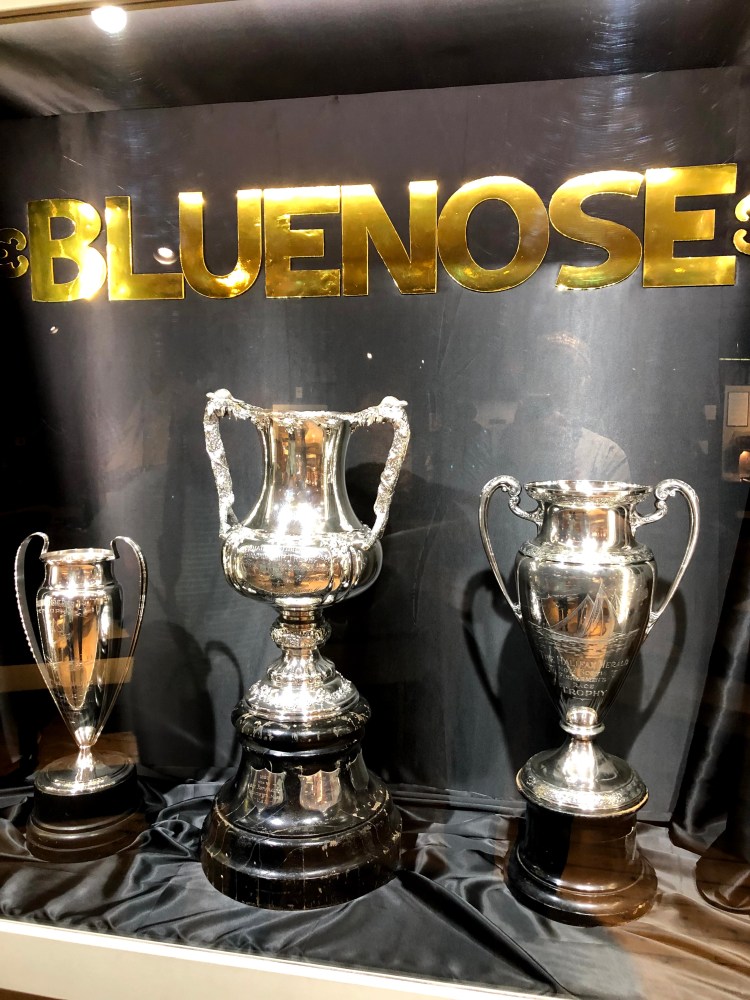
Awards that Bluenose won

img_5042

Our tour


img_6957

Captain Tony

img_5814

Boring machine to the left of the Volvo digger. Rick Lagina in blue long sleeve shirt. Film crew to the right with the blue flag.

img_5800

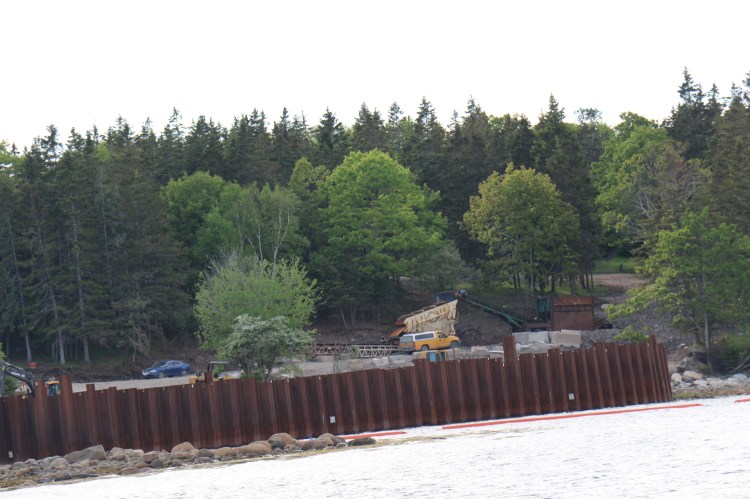
Oak Islands Smith’s Cove

img_5067

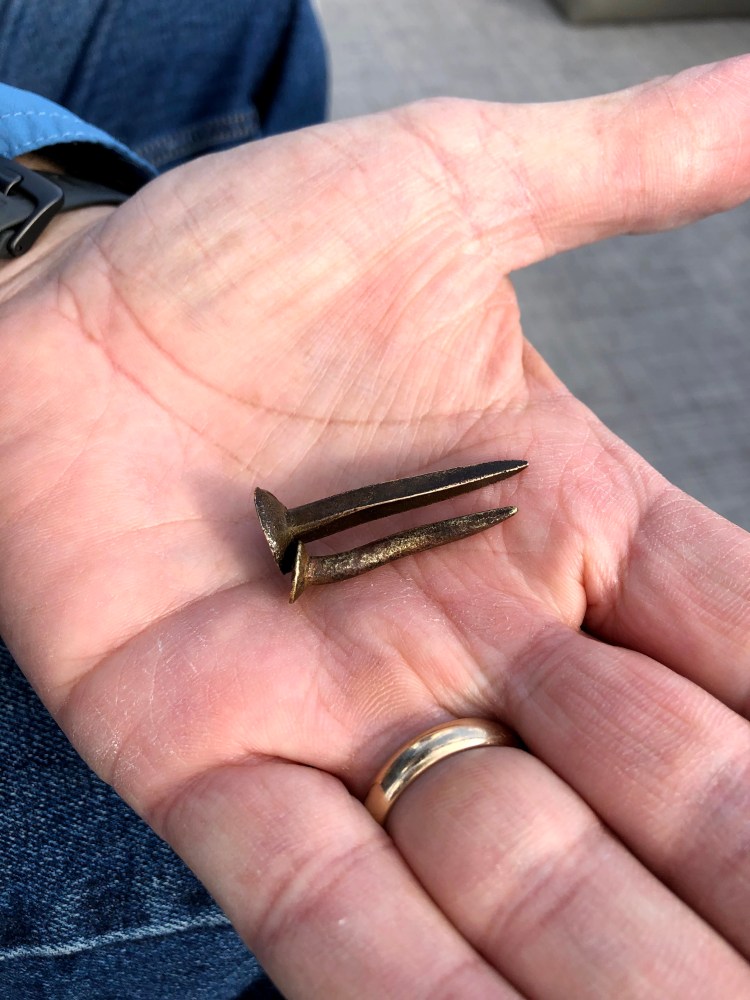
Nails that Tony found from the 1700’s

img_5080

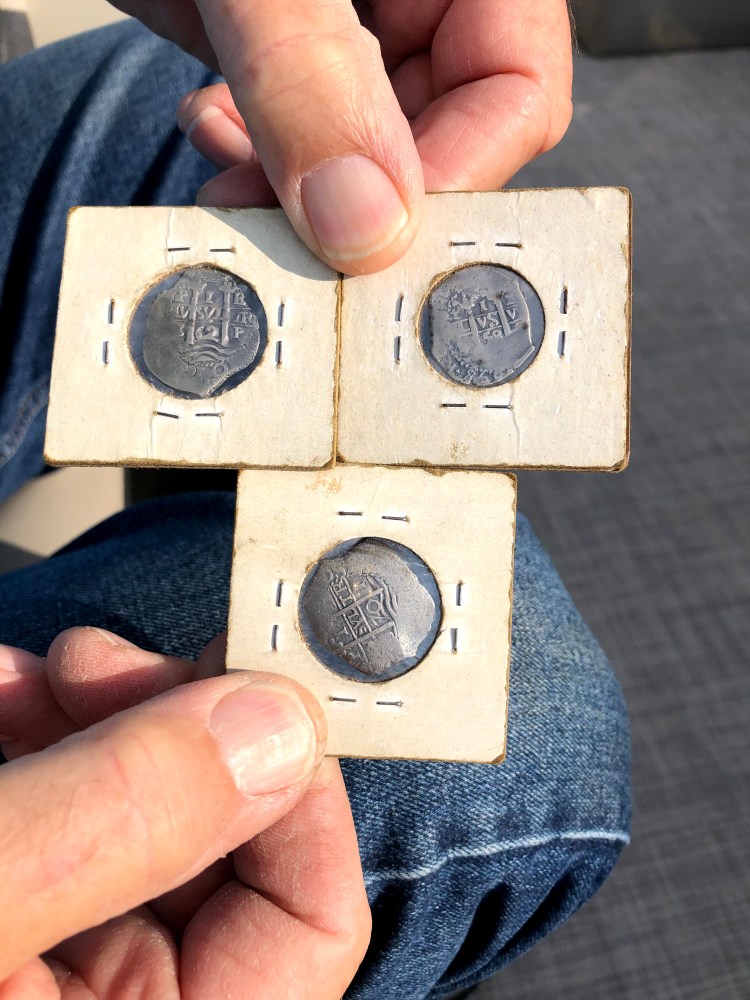
Coins that Tony found on a shipwreck

img_5072

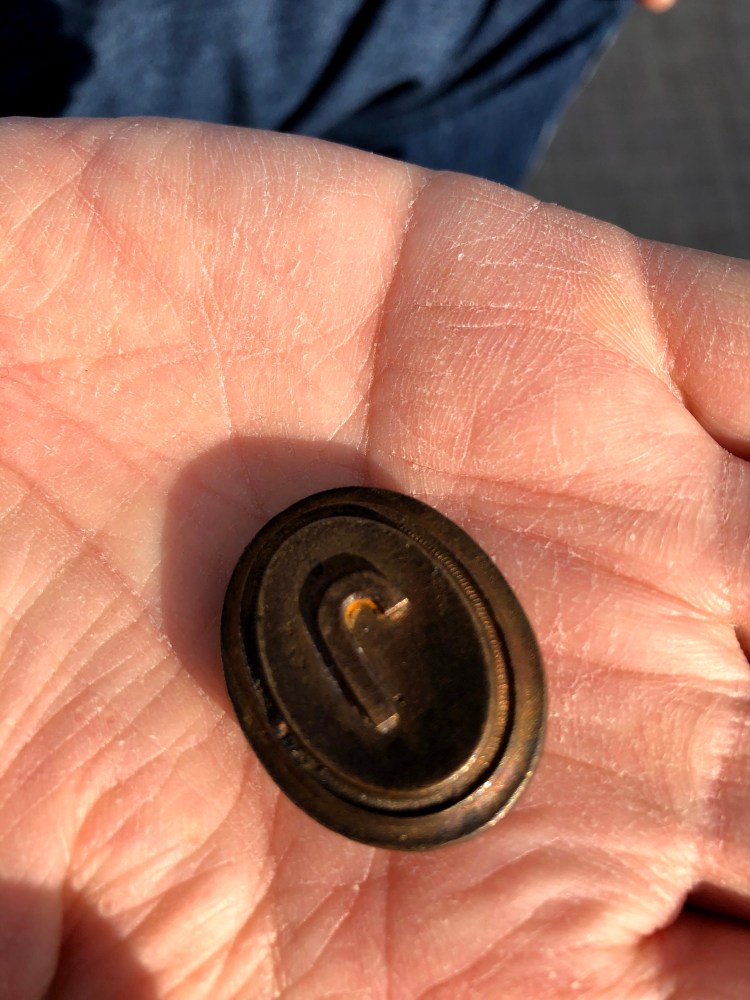
Button Tony found

img_6970

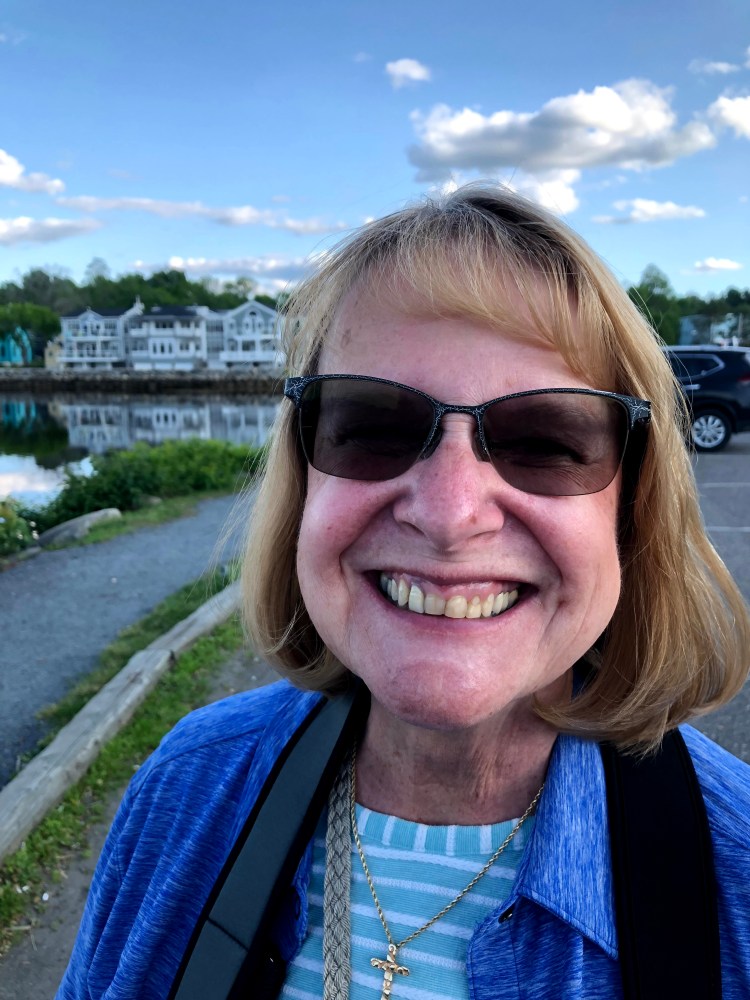
Having fun in Lunenburg NS

img_6964

Lunenburg village homes


Fort Anne & Port Royal June 23, 2019

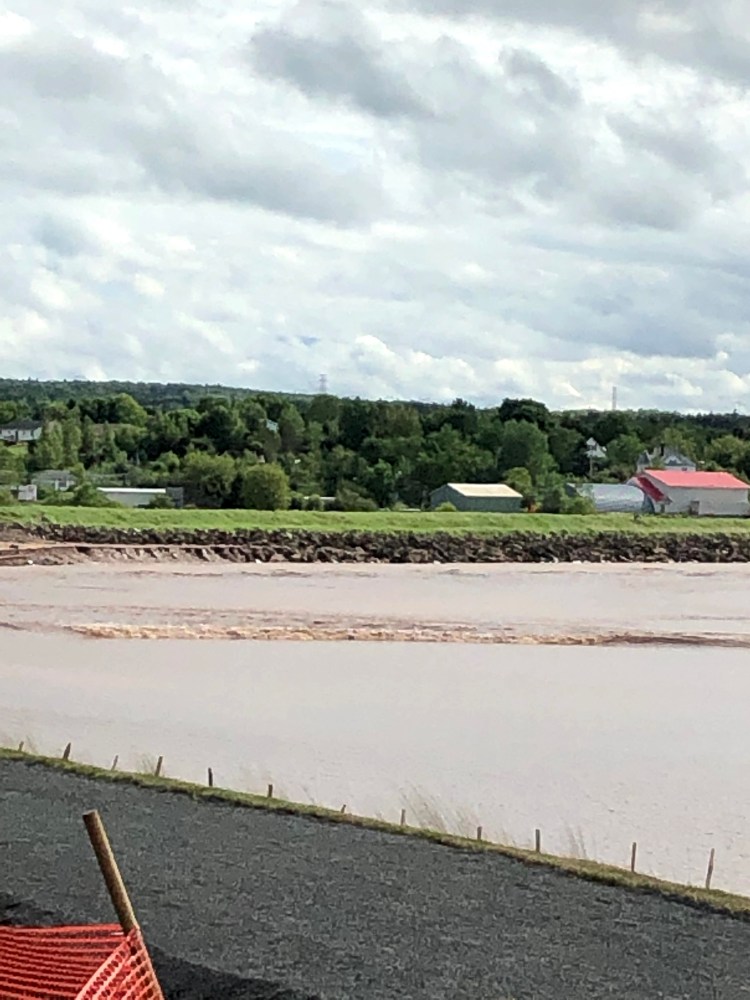
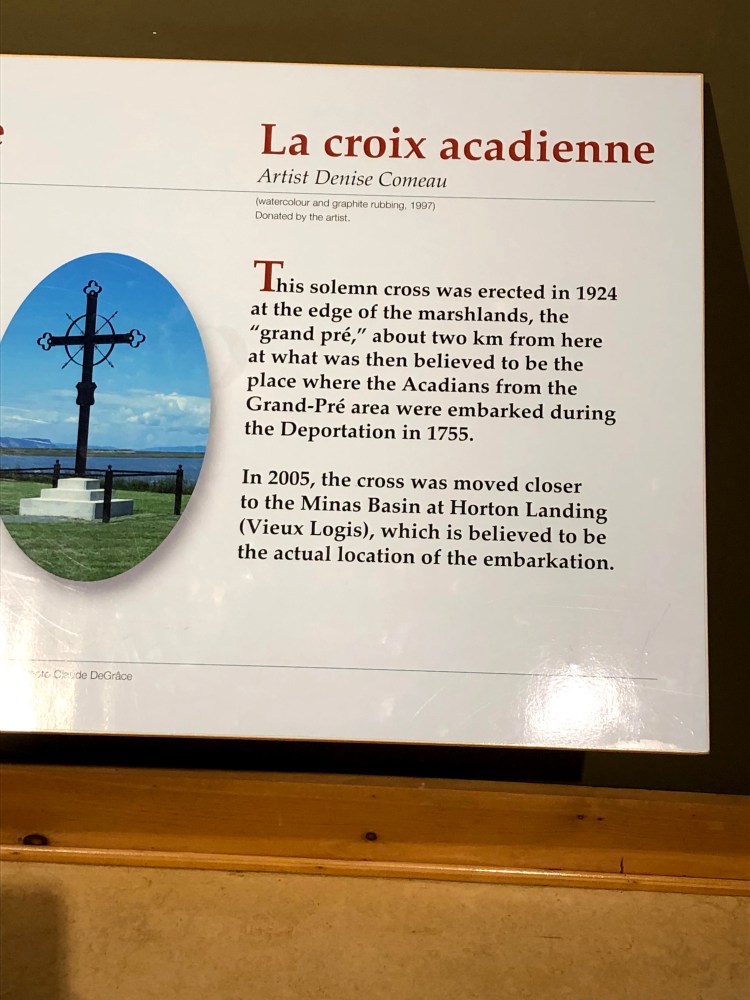
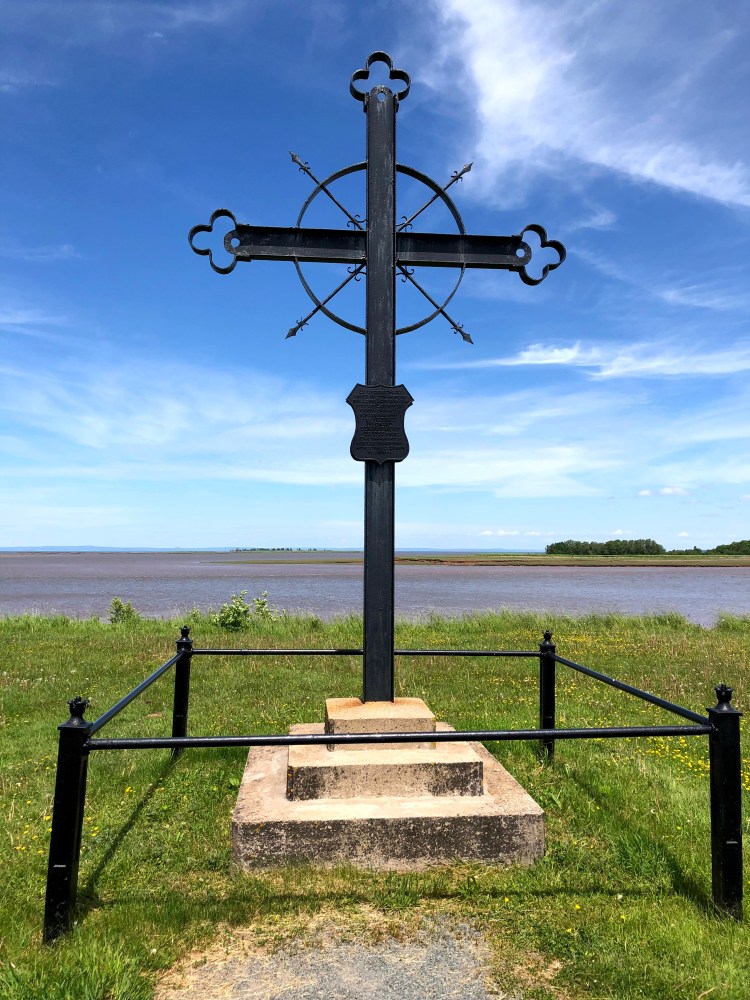
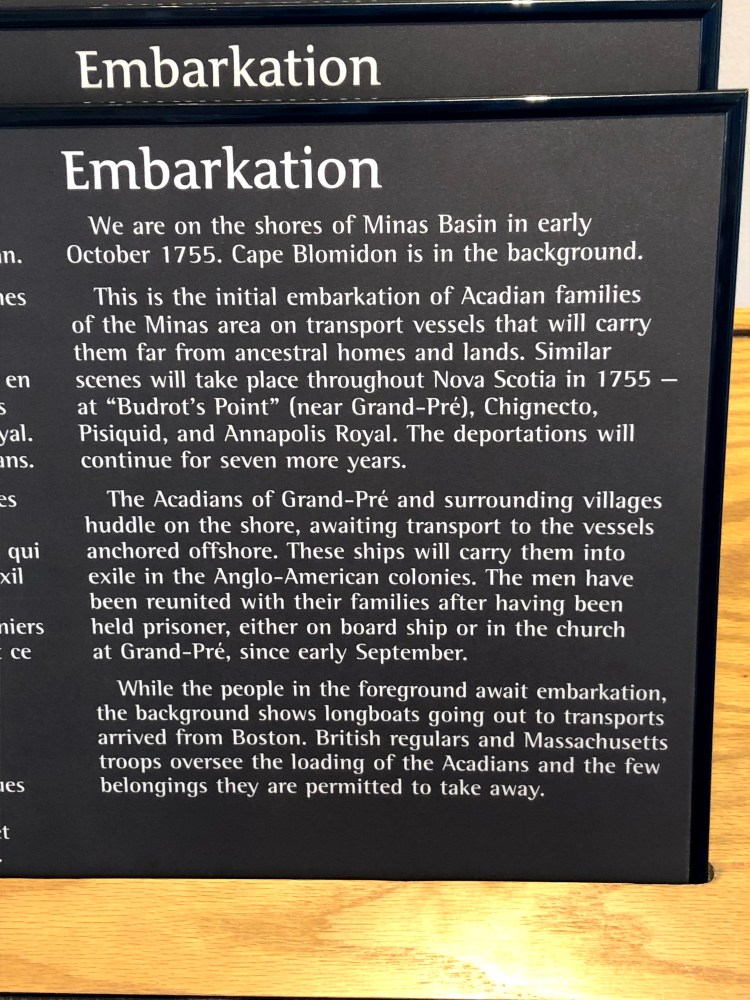
We traveled back to the east coast of Nova Scotia starting our day by returning to Horton Landing to see it at low tide. This is the actual site where 2100 Acadian’s were loaded onto small boats and taken out to the larger ships. It was chilling to stand there where so many lives were changed, most to never see their land of birth again.

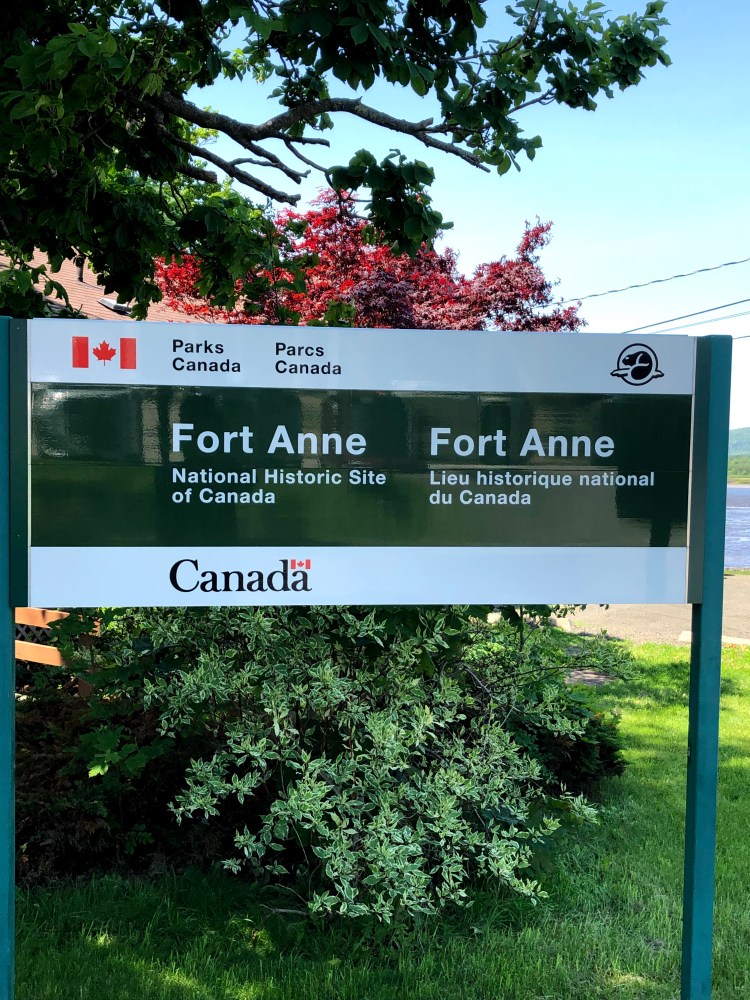
We left Horton Landing and drove two hours south to Canada’s first historic site, Fort Anne. The fort was star shaped typical of construction during the 1600’s. The fort protected Annapolis Harbor off of the Bay of  Fundy. After visiting the Interpretive center and Museum we walked the grounds looking at the Black Hole (ammo storage structure) and the new ammo bunker built in 1708 when it was discovered that the Black Hole was too wet. Harbor views from the parapets were stunning.  One of the coolest things we saw was the original Royal Charter written in 1621 giving the geography the name Nova Scotia.

We left Fort Anne and traveled 30 minutes to Port Royal Habitation, a recreated French 17th century compound.  The recreation is all hand hewn based on detailed plans from France. The actual structures took up about a 1/2 acre but were very interesting.  A Mi’kmaw Indian craftsman was demonstrating drum making, porcupine quill work and a children’s game.  He was very interesting to talk to.

After leaving Port Royal we stopped at a power generation station that uses the movement of the tidal surge to run the turbines.  The station manager gave us the tour which was excellent.  He also pointed out a tall pole outside that had an osprey nest on it.   Baby ospreys were patiently waiting a parent to bring food.  They and we were rewarded  as we watched one parent bring a large rodent or fish and fed it to the young birds.

img_6717

Truro Tidal Bore June 22, 2019

After a lazy morning we drove 50 miles to Truro to catch the incoming Tidal Bore. A tidal bore is a wave of water pushed upstream by the incoming tide.  Truro is known for some of the highest tide fluctuations in the world. Today’s wave was pretty small due to the time of year and phase of the moon.

img_6690

Truro tidal bore looking down stream

img_6698

Truro tidal bore

Church Point June 20

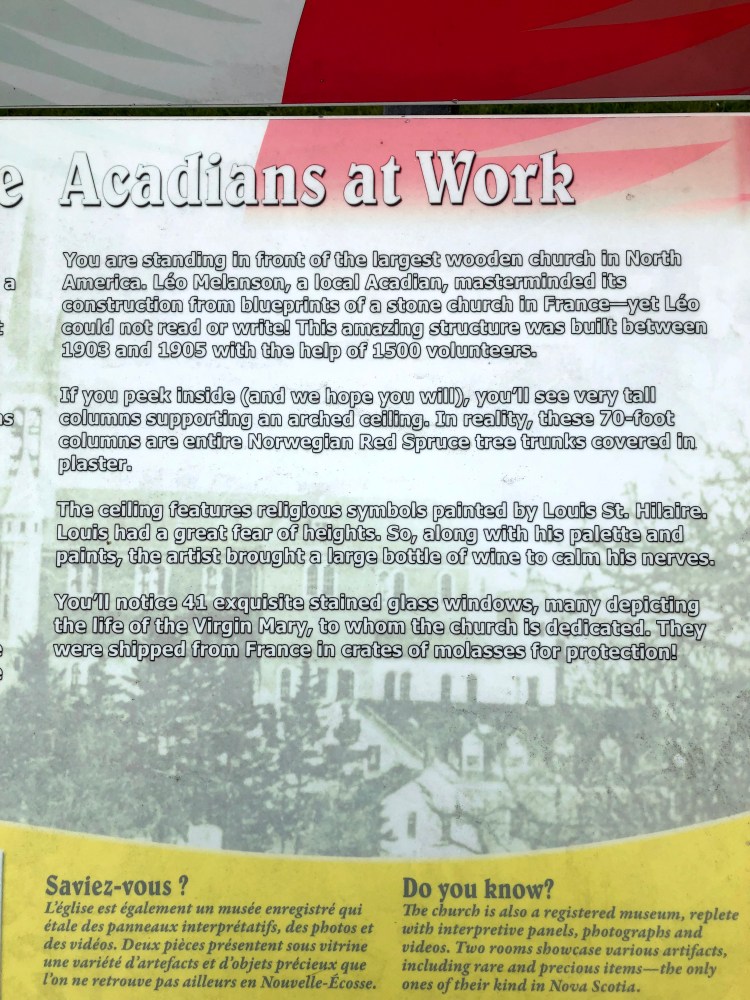
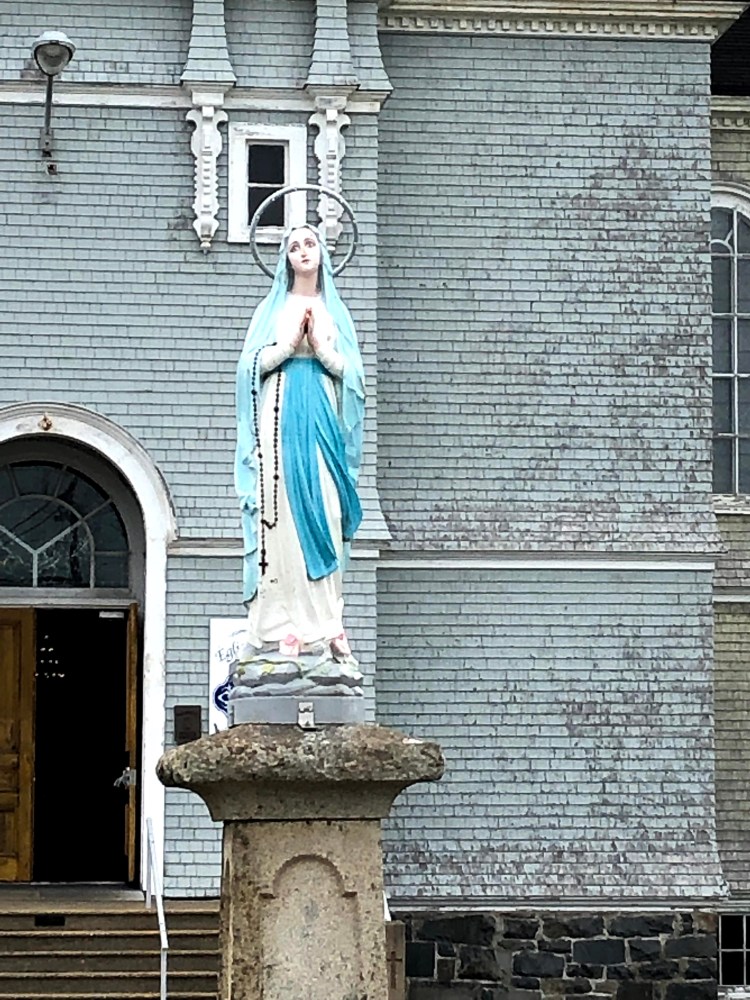
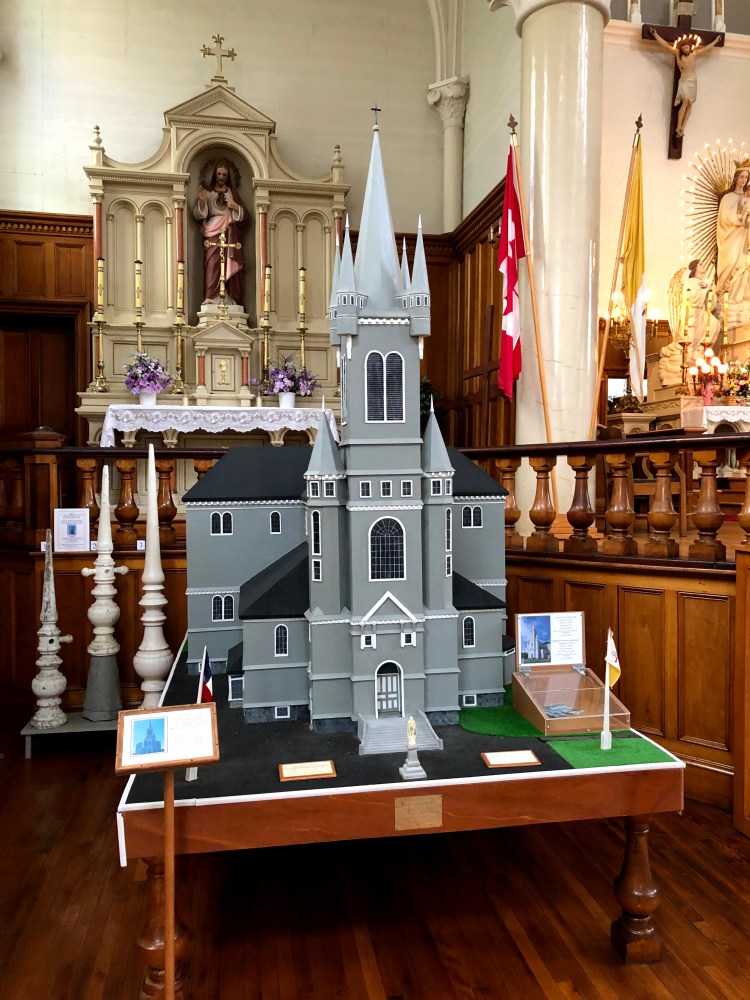
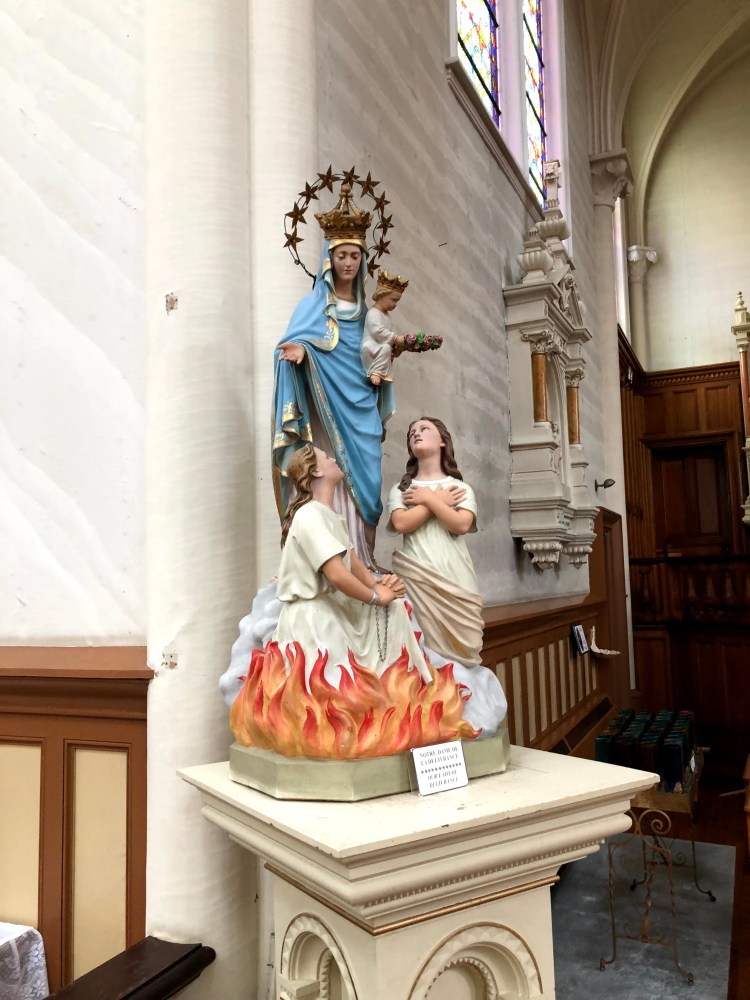
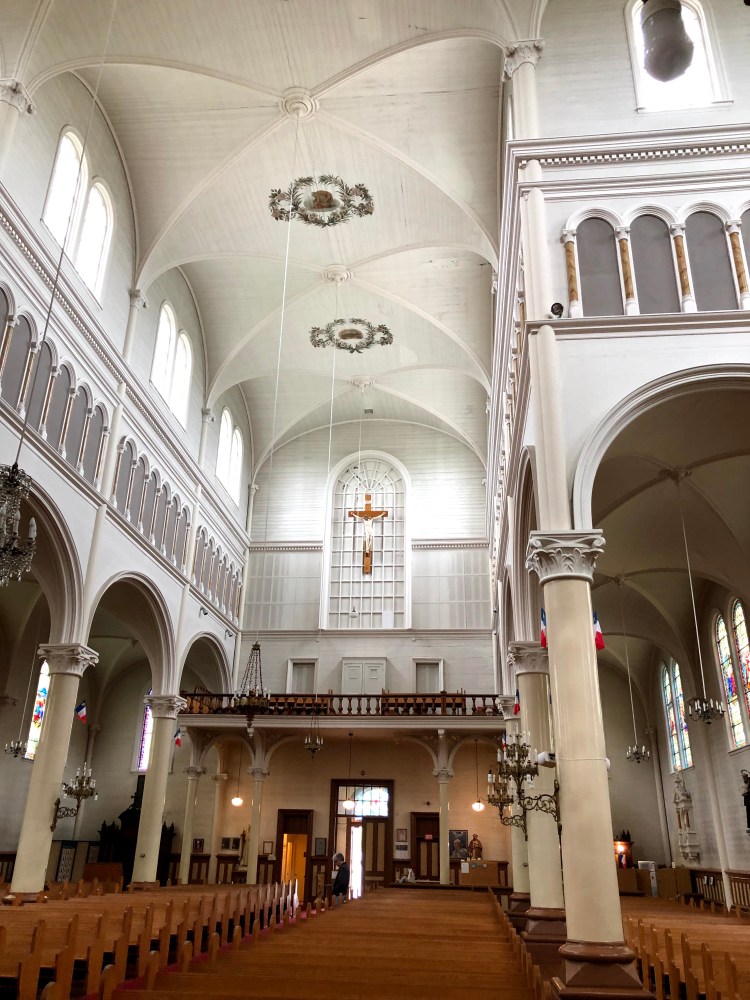
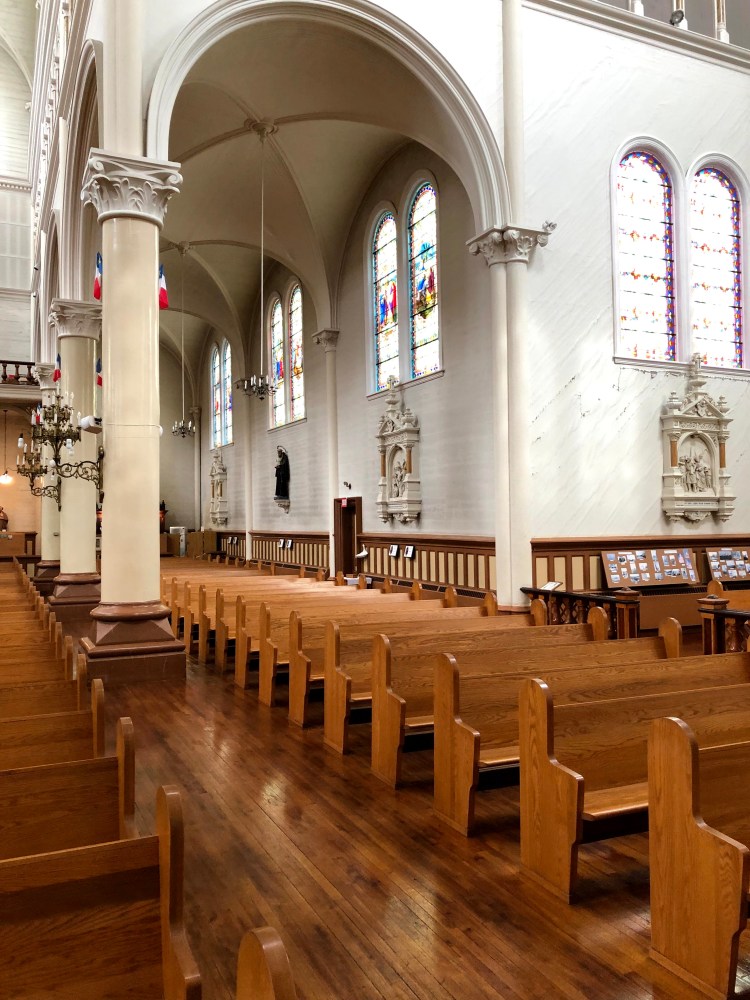
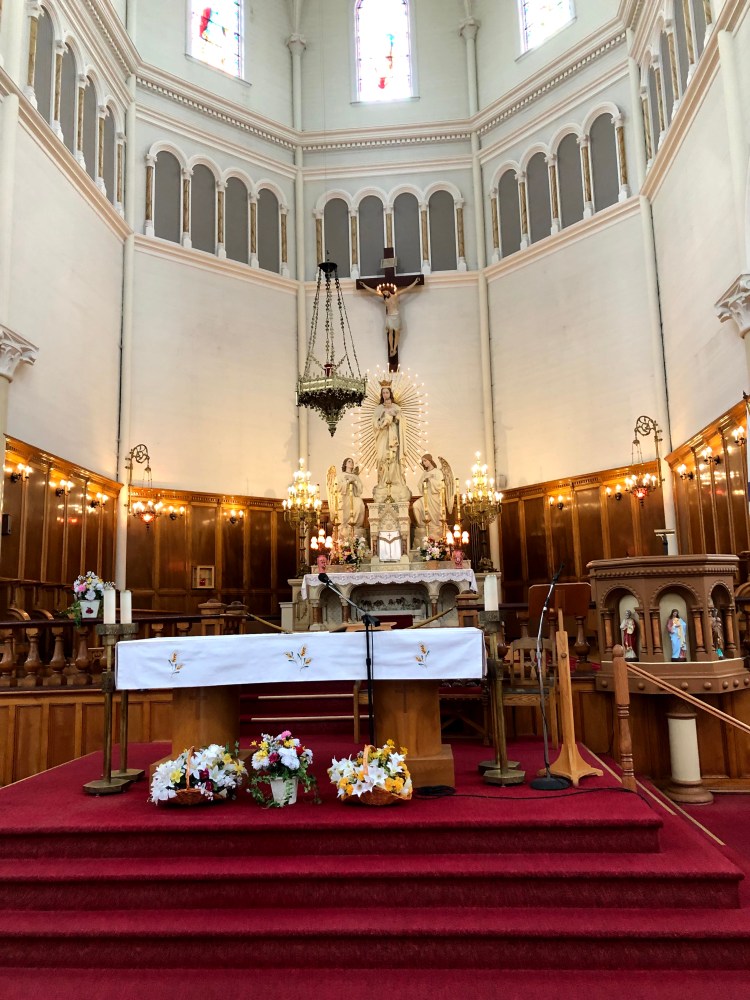
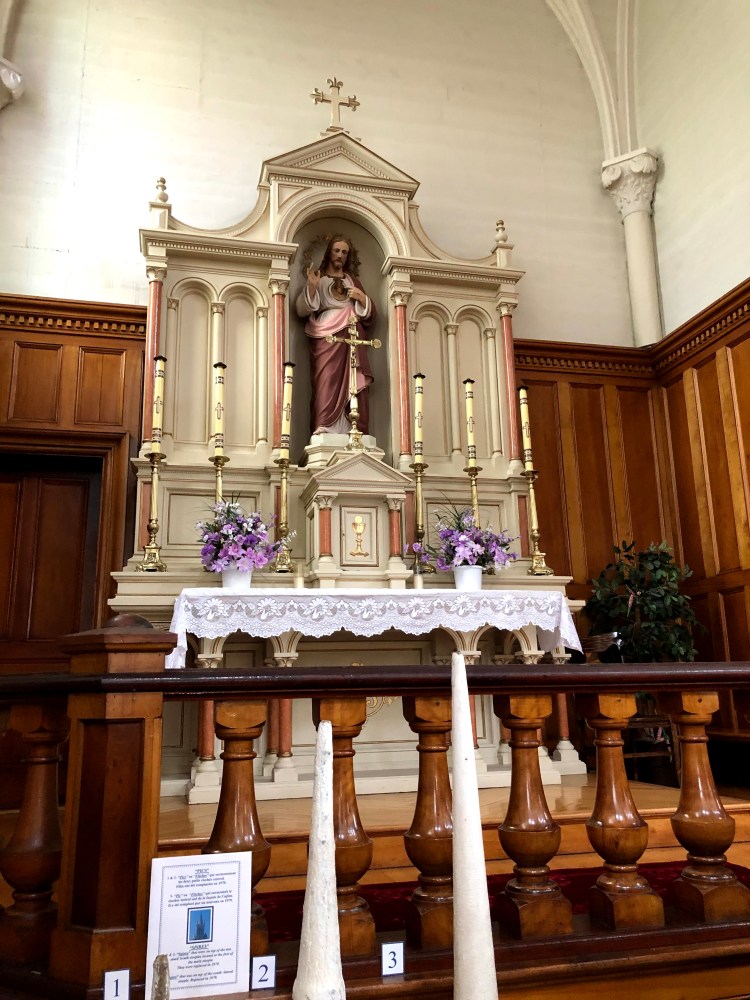
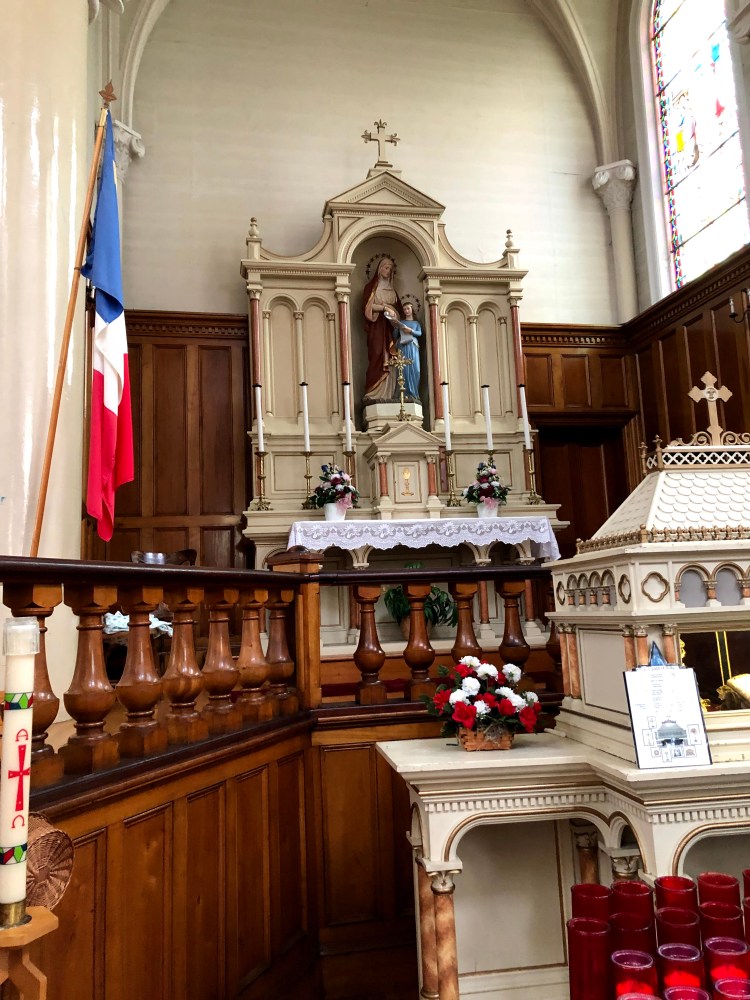
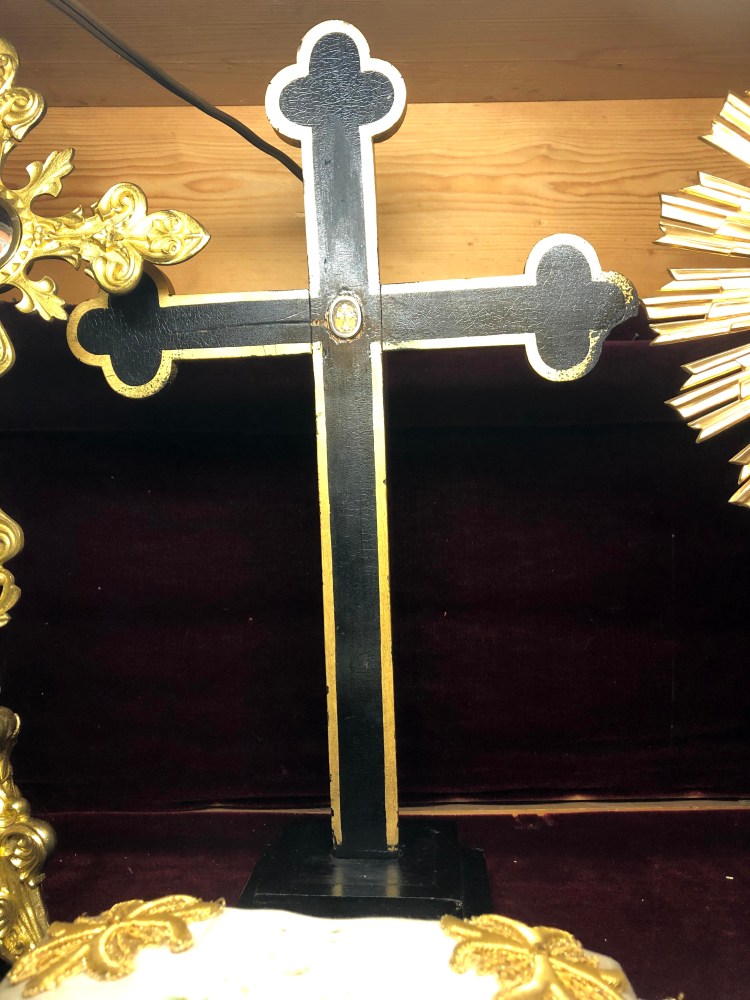
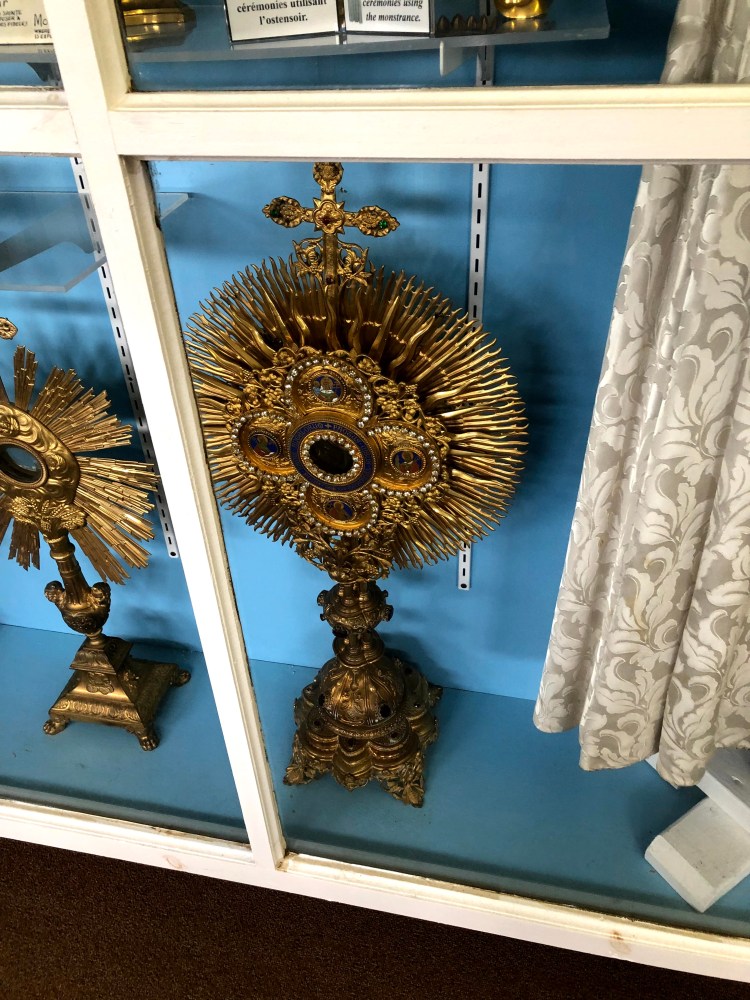
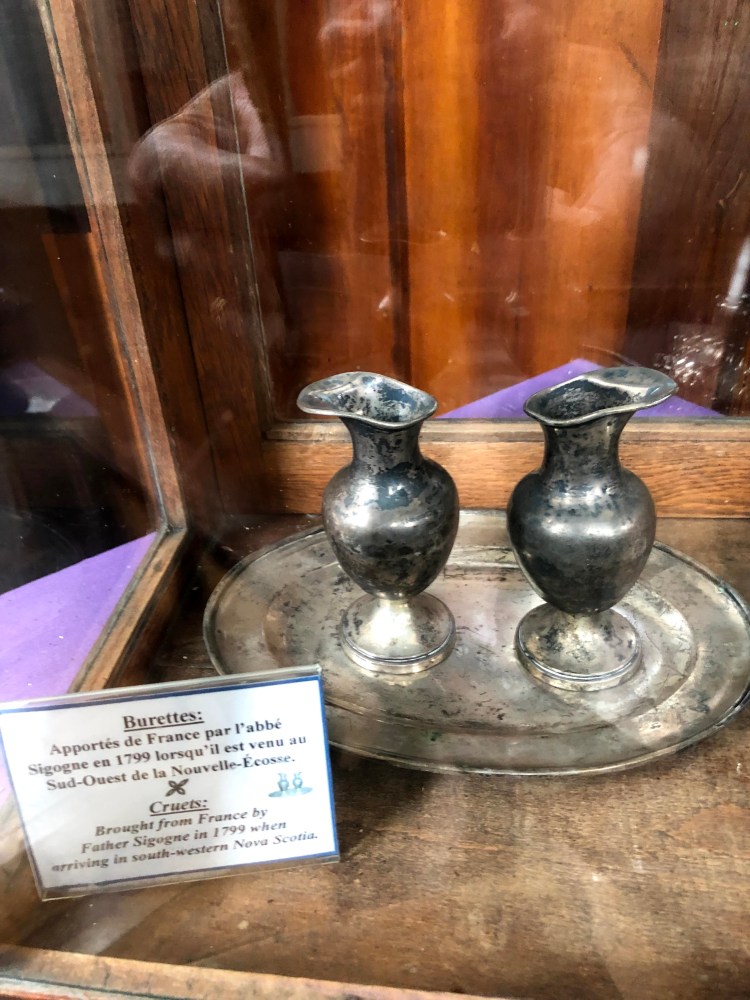
We left Grand Pre’ and drove down the coast to Church Point. There we visited Eglise Catholic Saints Marie Church. At 185 feet, it is the largest all wood church in North America.  The supporting columns are whole tree trunks 70 feet tall! It was built by an Acadian man who used blueprints from a stone church in France. The amazing thing is that he could not read or write! The Italian painter that painted the scenes on the ceiling had to drink a bottle of wine every morning to get the courage to climb the scaffolding because of his fear of heights. We are glad we made the drive because the church is in disrepair and unless the historical society raises 3 million dollars it’s likely to be closed and lost forever.  The church itself is beautiful and full of many religious artifacts in a museum setting.  The church is still active today with 35 parishioners.


img_6597img_6594img_6596img_6604img_6605img_6602img_6613img_6614img_6603img_6606img_6616

img_6610

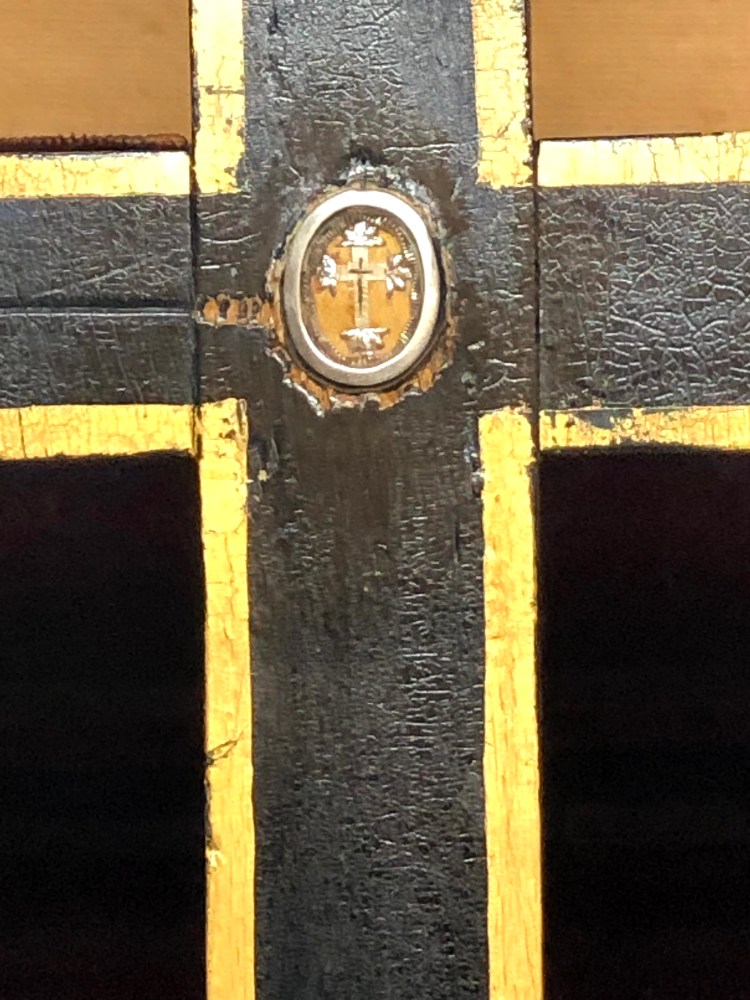
Fragment of the cross Jesus was crucified on

img_6611

Close up of the Cross fragment

img_6607

Monstrance 

img_6618

Grand Pre’ June 20

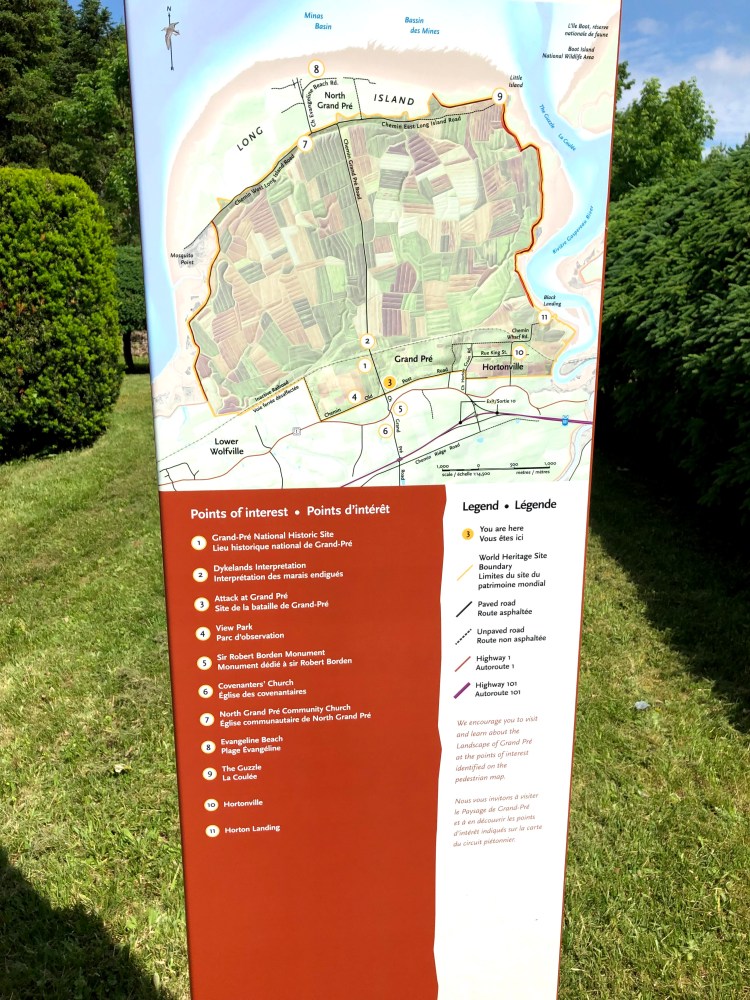
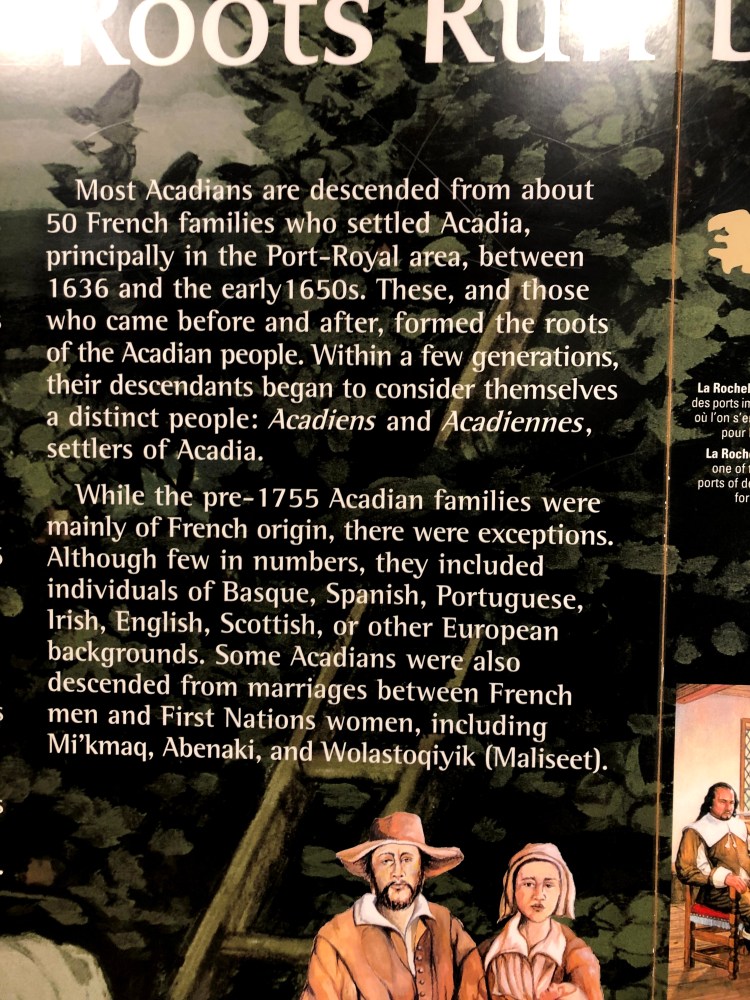
Grand Pre’ is the holy grail of the Acadian people. This is one of several locations where the Acadians were rounded by the British and sent into exile.  This area is important because about 2100 people from here were shipped out to England, France, New England and Louisiana. Of the 2100, most were children.

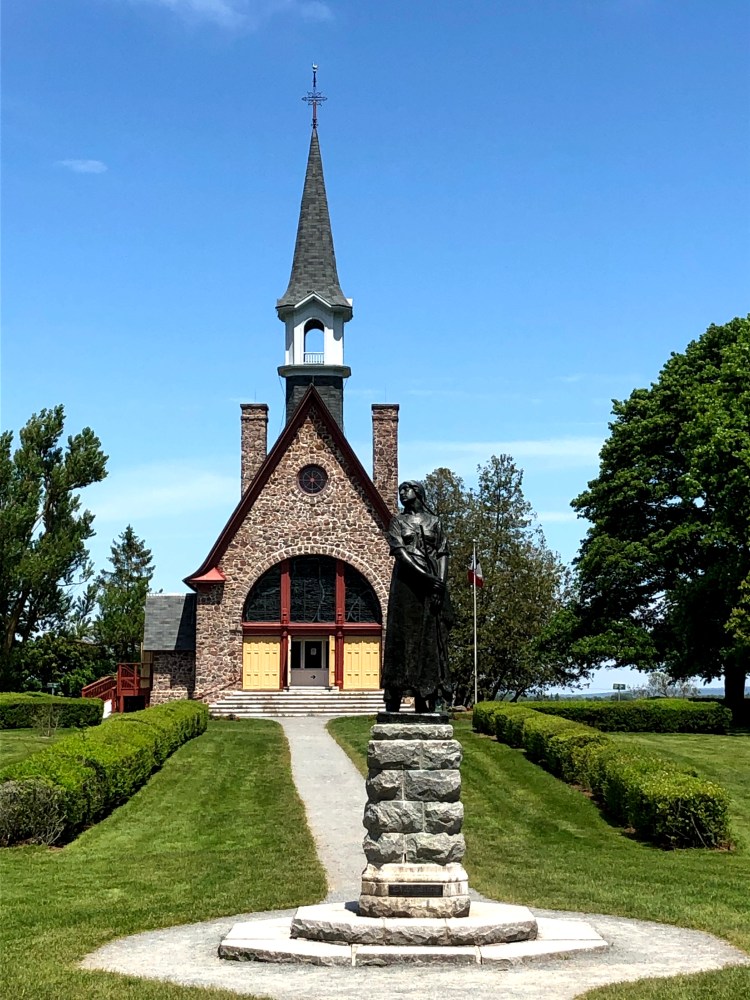
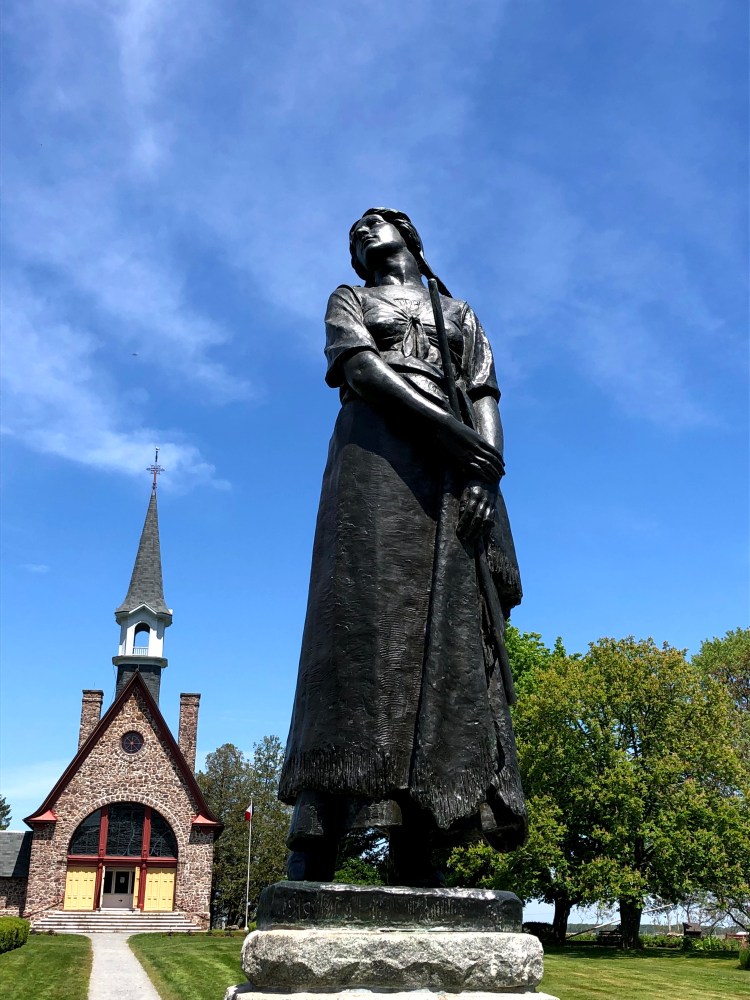
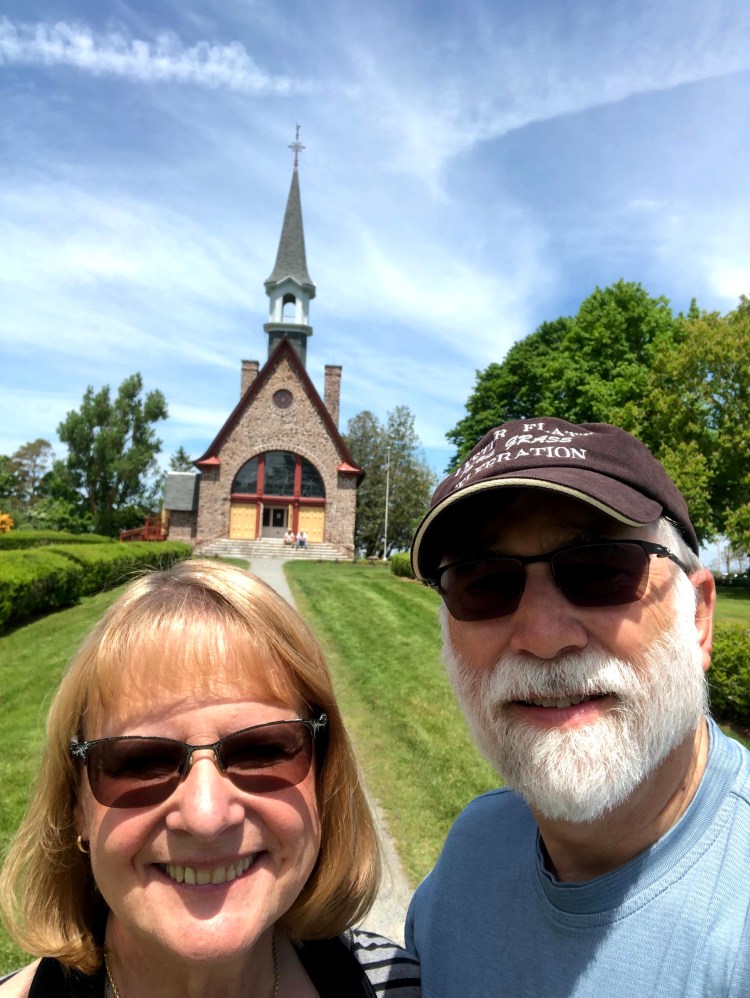
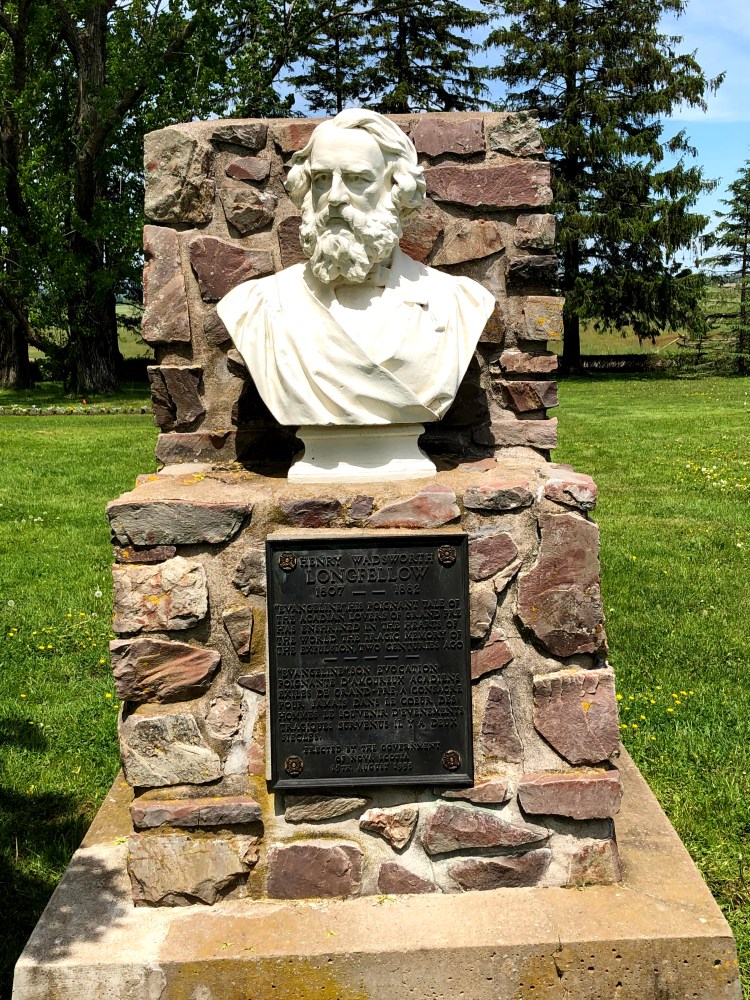
The visitor center was excellent. The grounds housed a memorial church situated on the spot of the original church where the men and boys were rounded up and detained. There is a statute of Evangeline, memorialized by Henry Wadsworth Longfellow’s poem by the same name, telling the story of an engaged couple who were separated in the deportation, not to find each other again until they were very old.

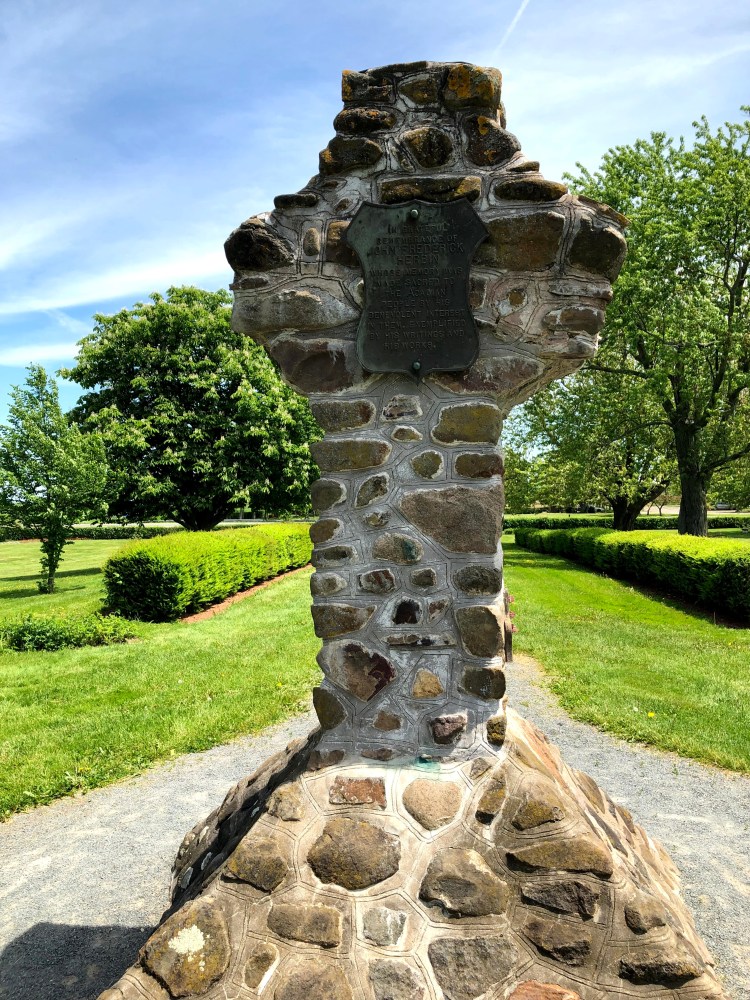
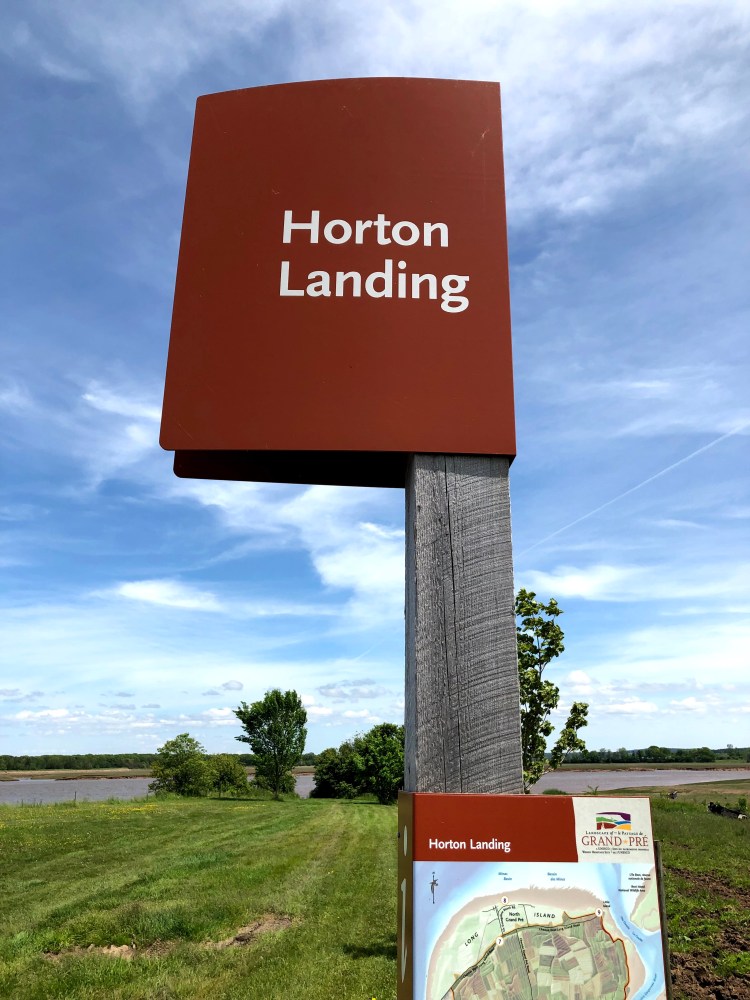
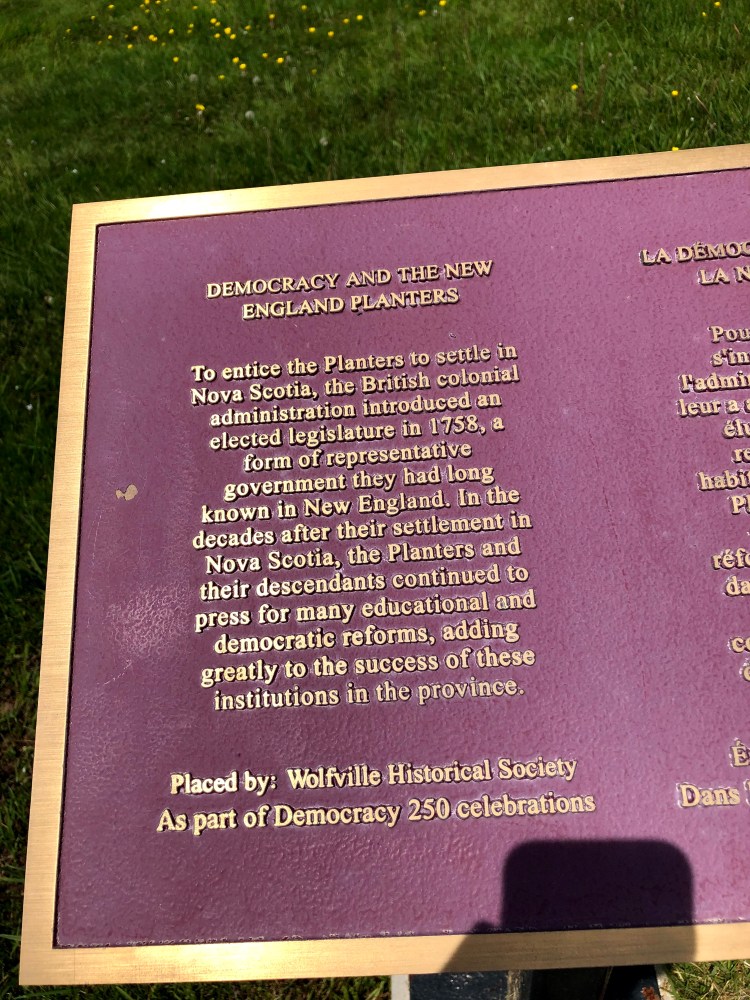
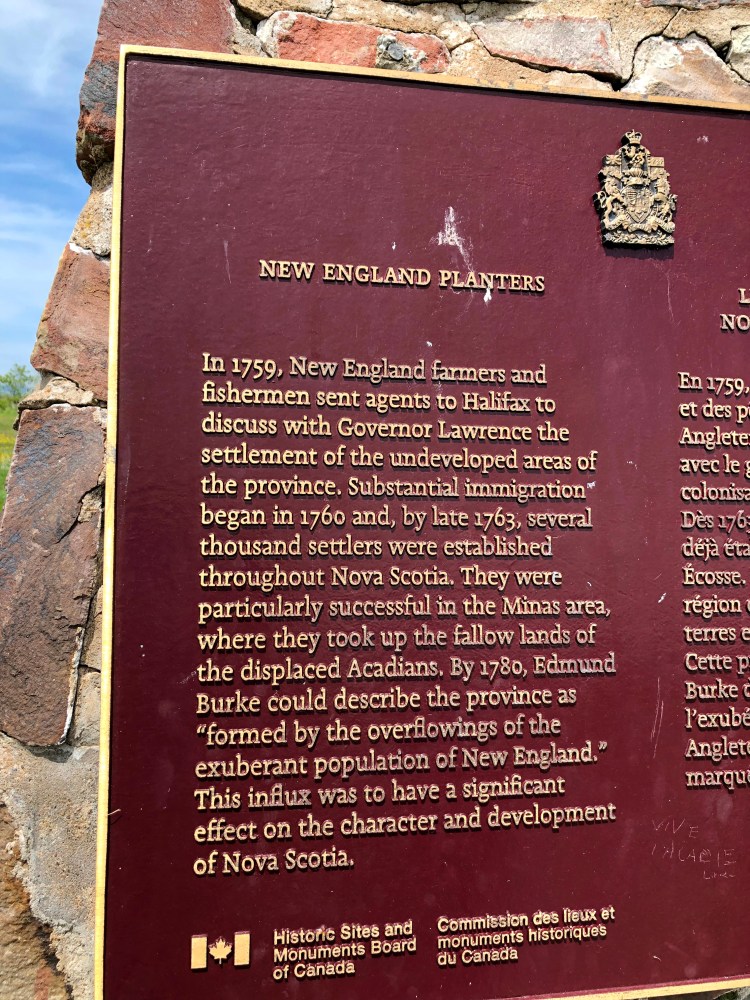
A very short distance from the visitor center is Horton landing where the Acadians were marched down to the waiting ships. Families were torn apart and many did not survive the ocean crossing.  Even though Nancy and I are very familiar with the history of the deportation, it was still very sobering to stand where it happened, thinking about all the people being loaded on ships. While they walked to the shoreline they watched the black smoke rise from what was left of their homes and barns. My thoughts wandered to other points in history when people were evicted from their homes and their land given to someone else. It was interesting that at Horton’s Landing a Monument stood celebrating the New England Planters who came after the Acadians were deported and settled on the land that once belonged to them.  The Planters continued maintaining and expanding the Dyke system to this day.

img_4914img_6522img_6536img_4923img_6549img_6568

img_4931

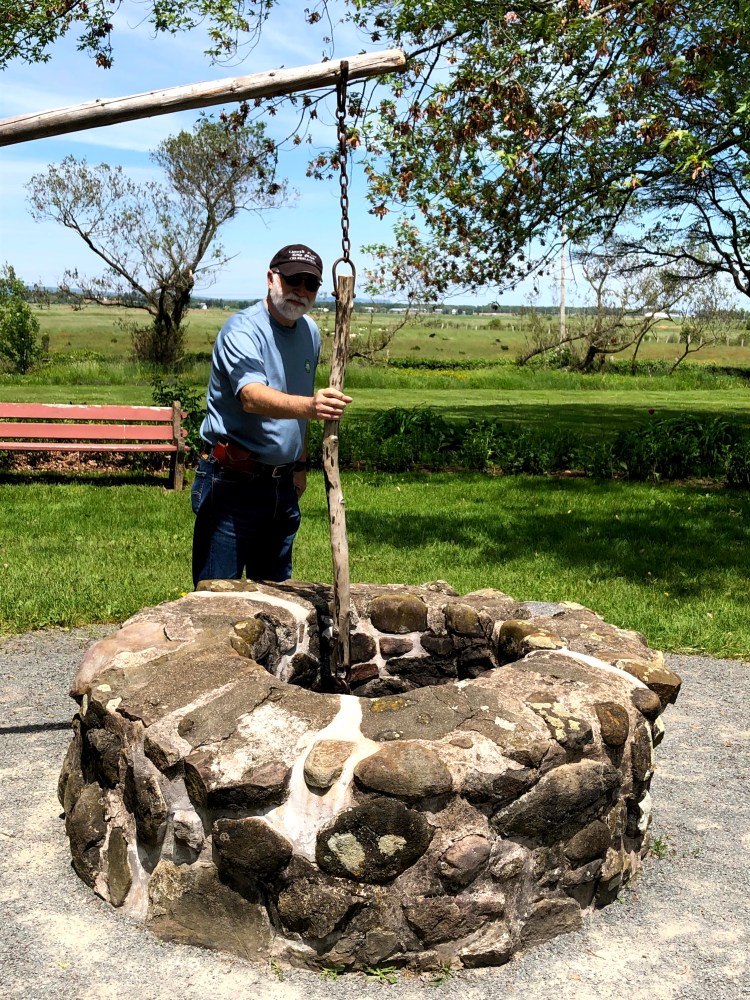
Site of original well

img_4933img_6571img_4928img_4929img_4915

img_6526

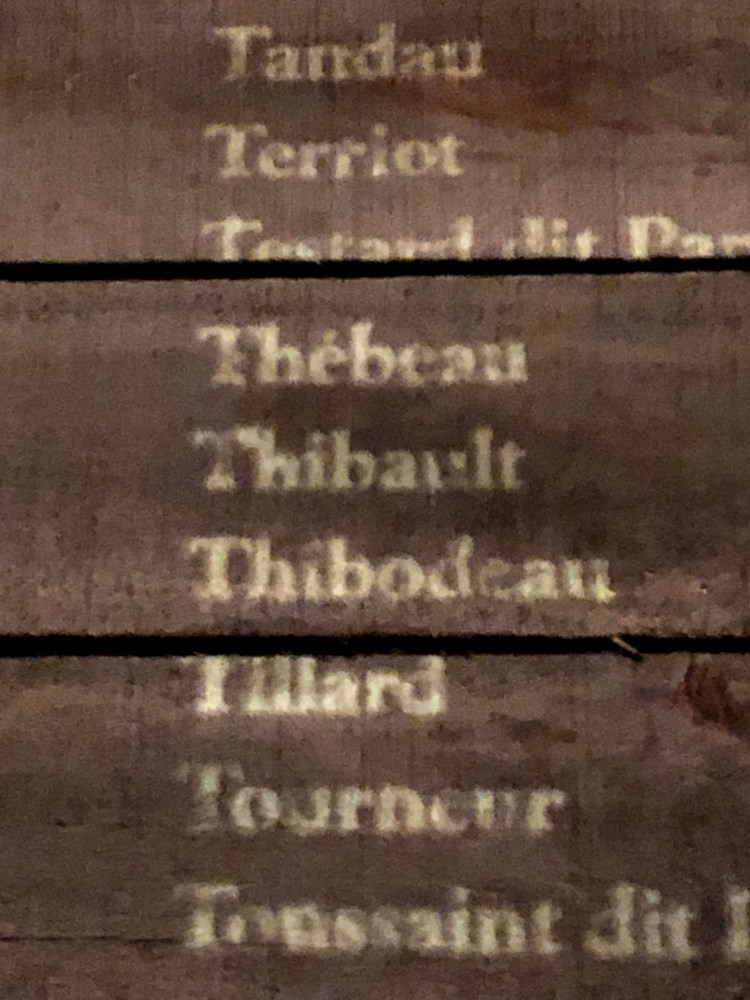
My Grandmothers maiden name was Thibodeau

img_6575img_4921img_4938img_6550img_6586img_6585img_4941


Peggy’s Cove June 19

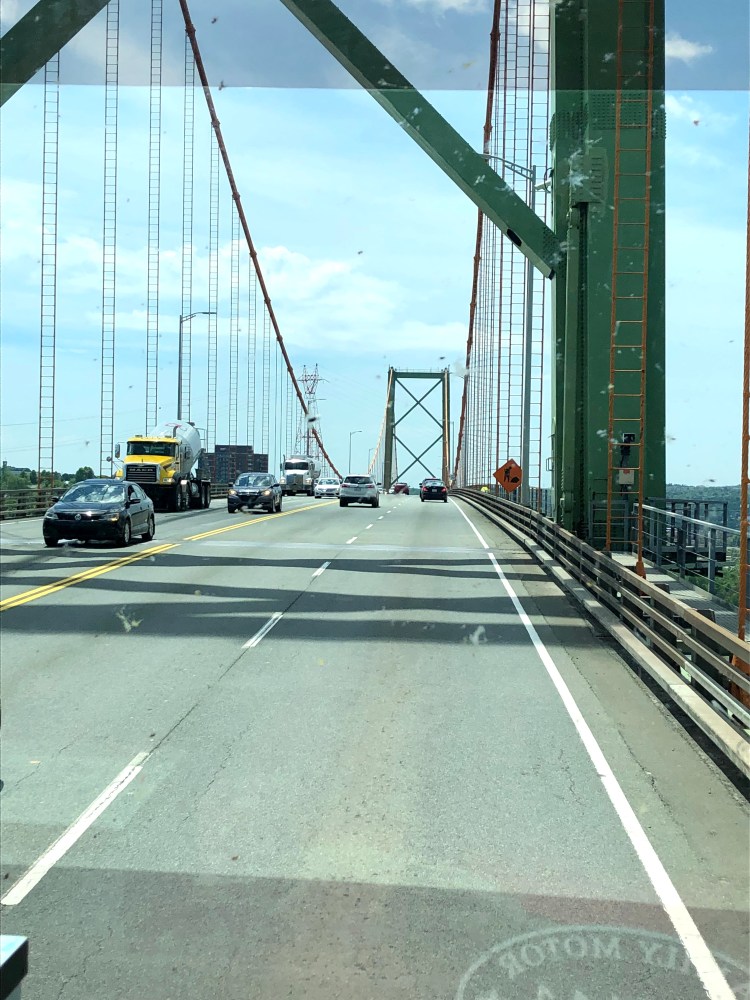
We left Beddeck and Cape Breton Island driving to our campground just north of Halifax.  I decide to take the scenic route through Halifax going right through downtown and crossing over the MacDonald bridge.  I wouldn’t recommend this route in an RV but I missed the right hand cut on the expressway and had no choice. I was watching the scenery instead of listening to the GPS.

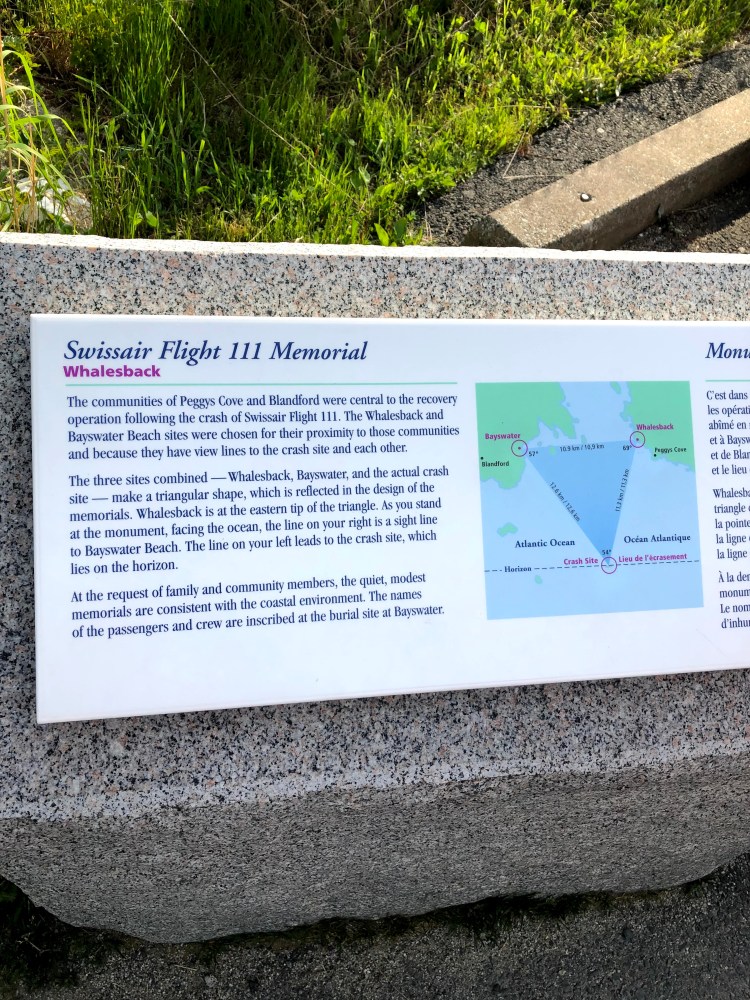
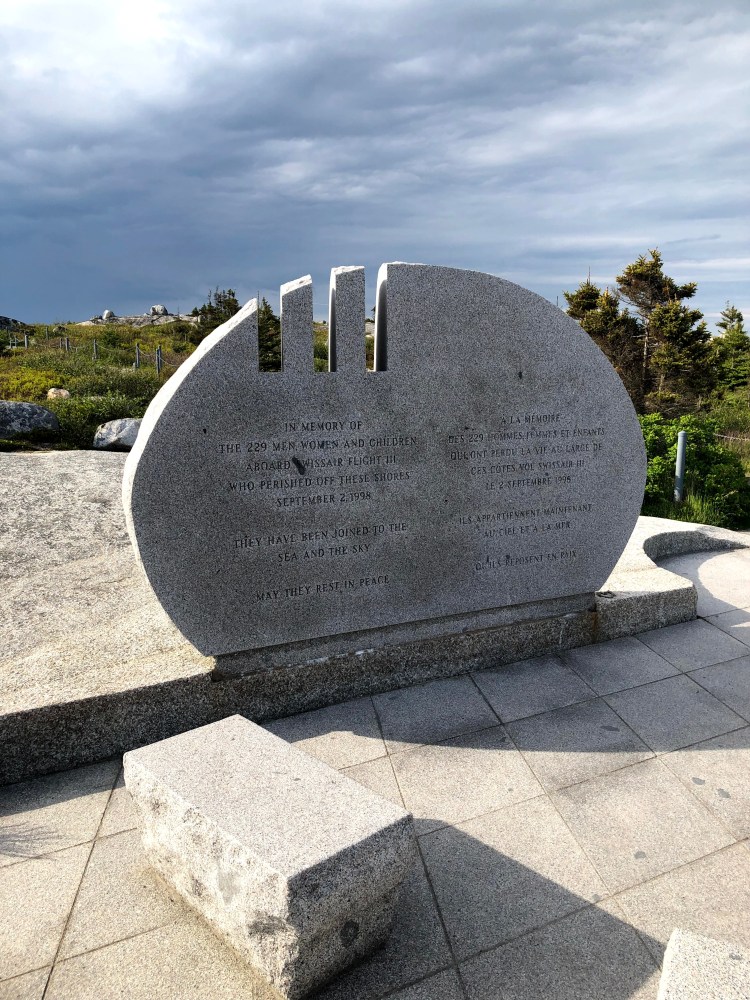
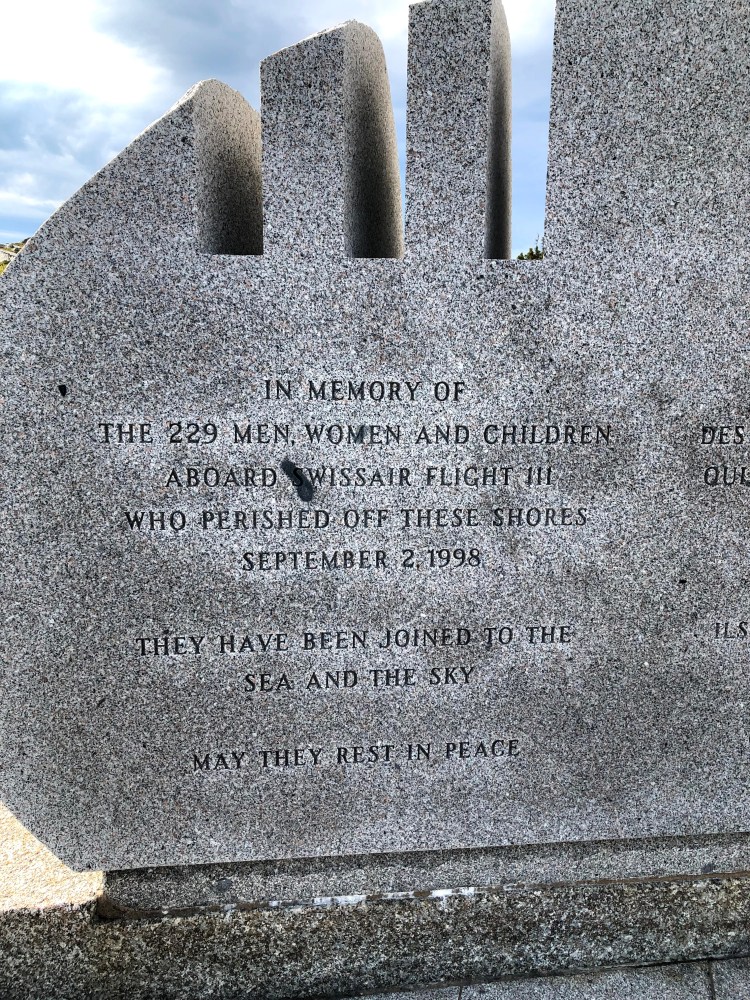
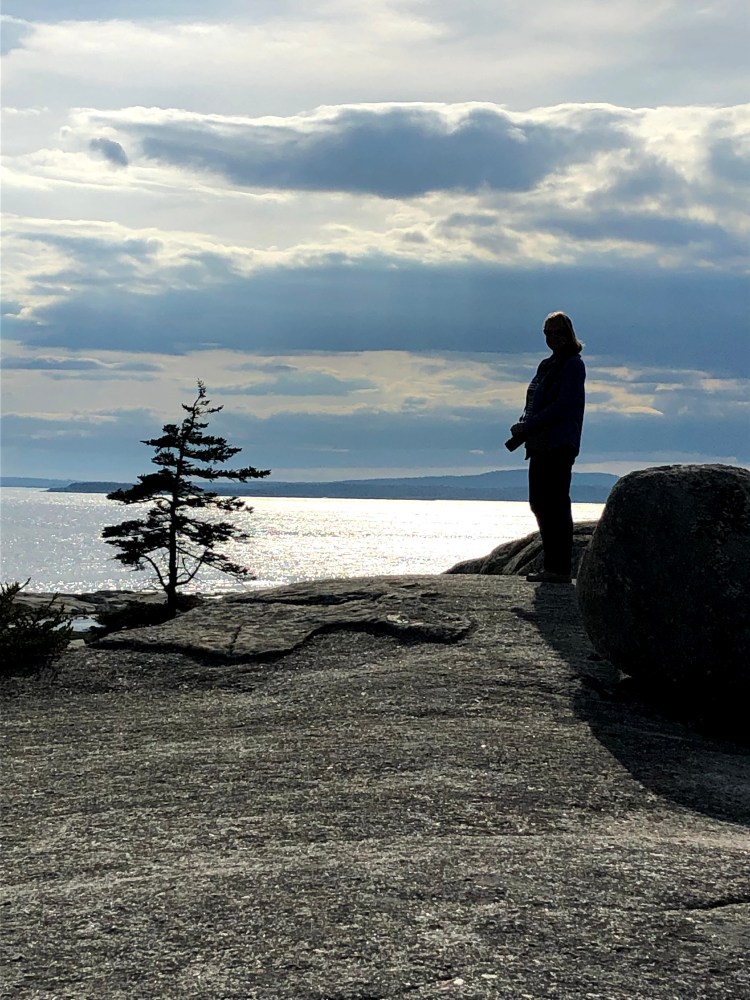
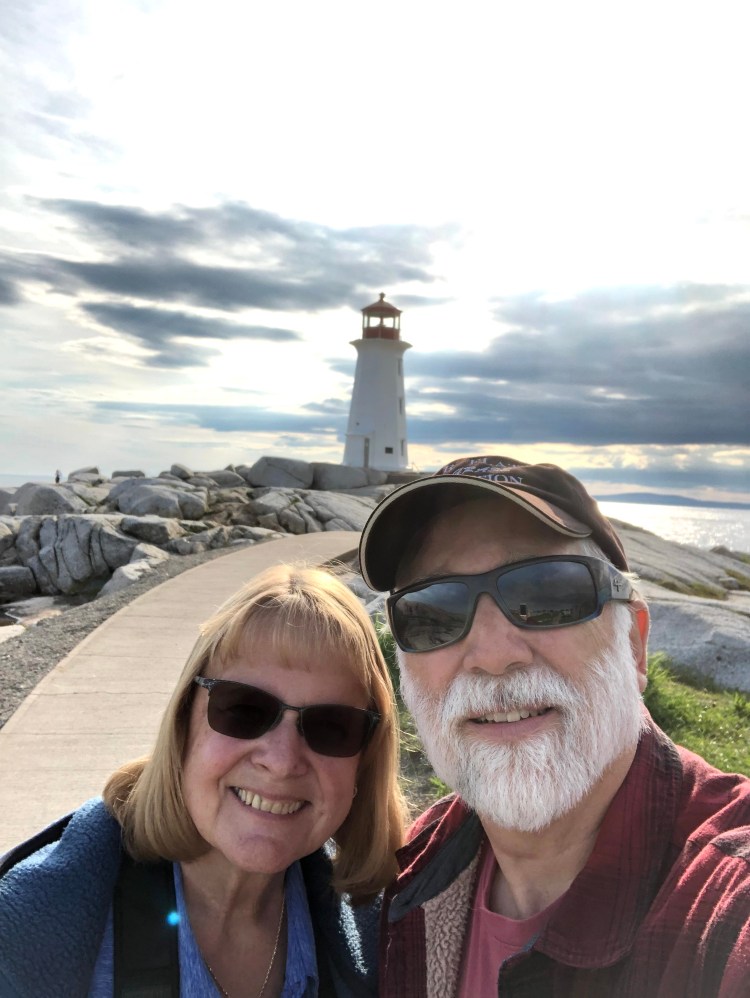
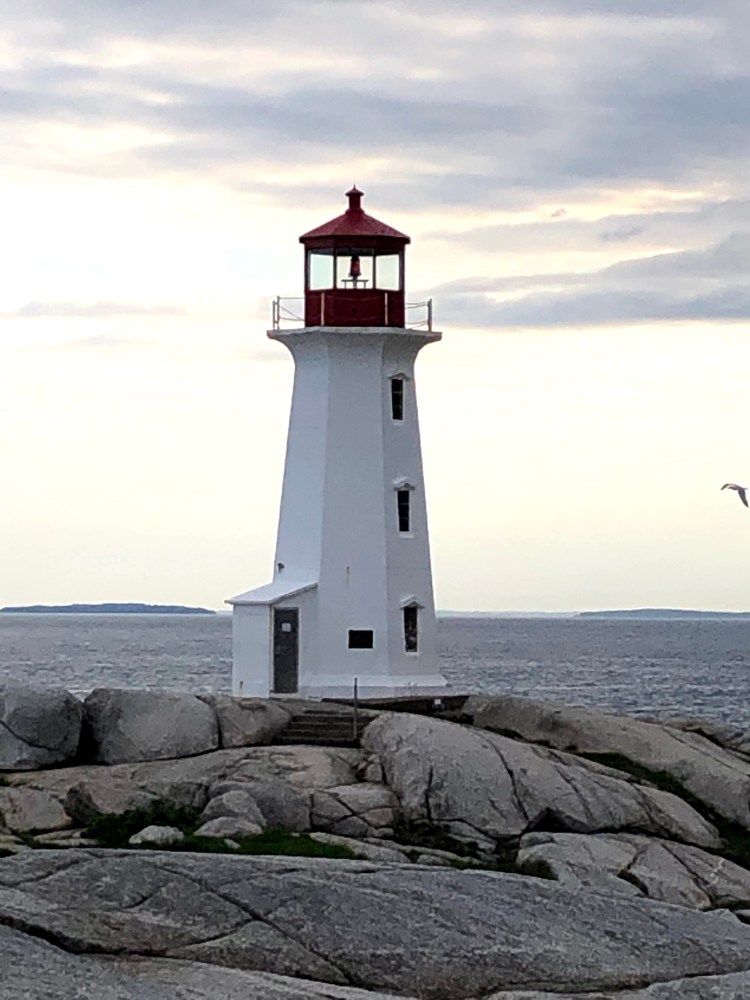
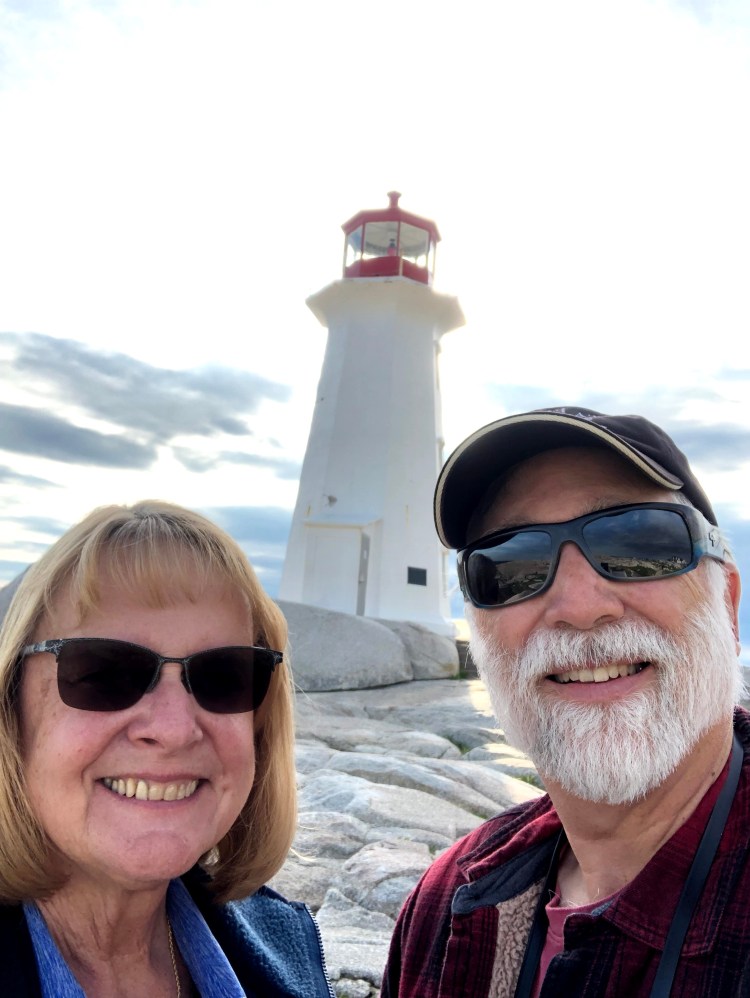
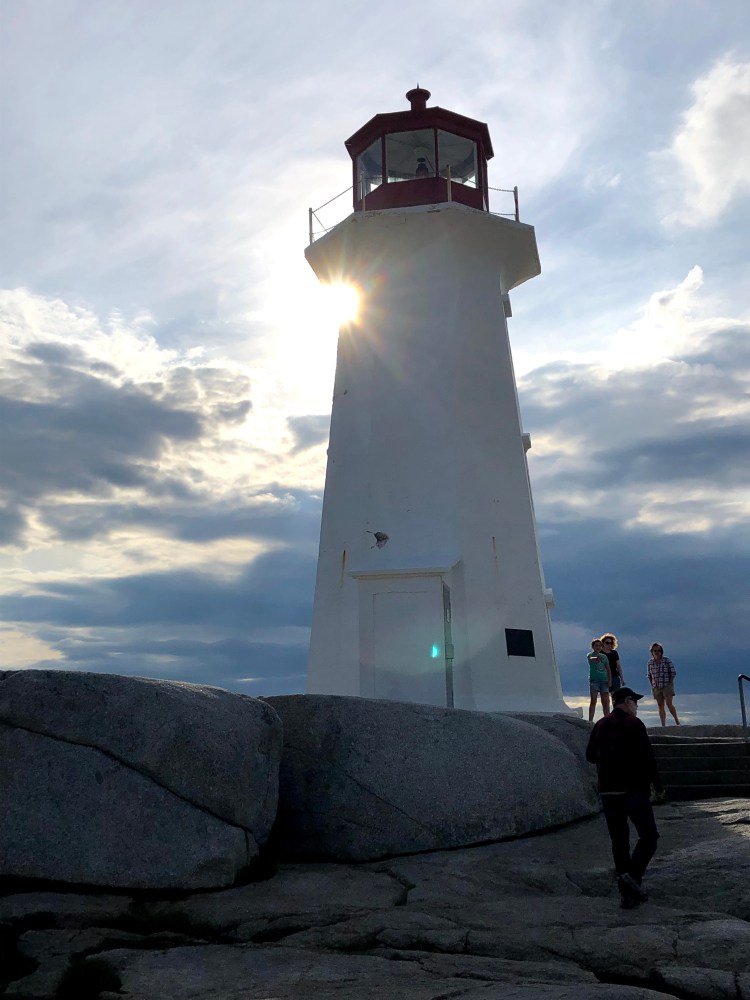
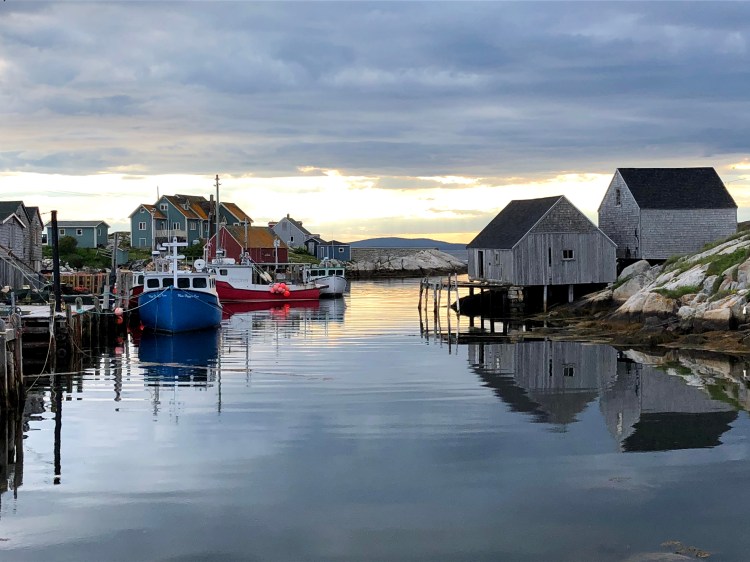
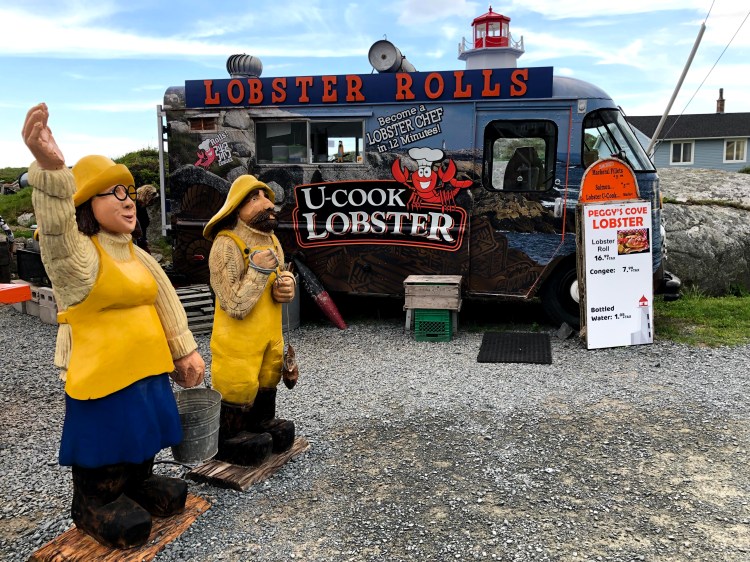
After setting up camp, we drove to Peggy’s Cove to visit the most photographed lighthouse in Canada. We got some great pictures in spite of the overcast day. A short distance from the lighthouse we stooped at the memorial for the crash site of Swiss Air SR 111.  The airplane crashed 5 miles off the coast.  Standing there I could imagine the airplane falling from the sky.  You can see 5 miles out before the curvature of the earth blocks your view. The memorial is carved from the granite in place at the site.

img_4836

The Bridge!

img_6495img_6488img_6487

img_6494

Thinking about the 229 souls on board FLT 111

img_4841img_4893img_4900img_6504img_4898

img_4902

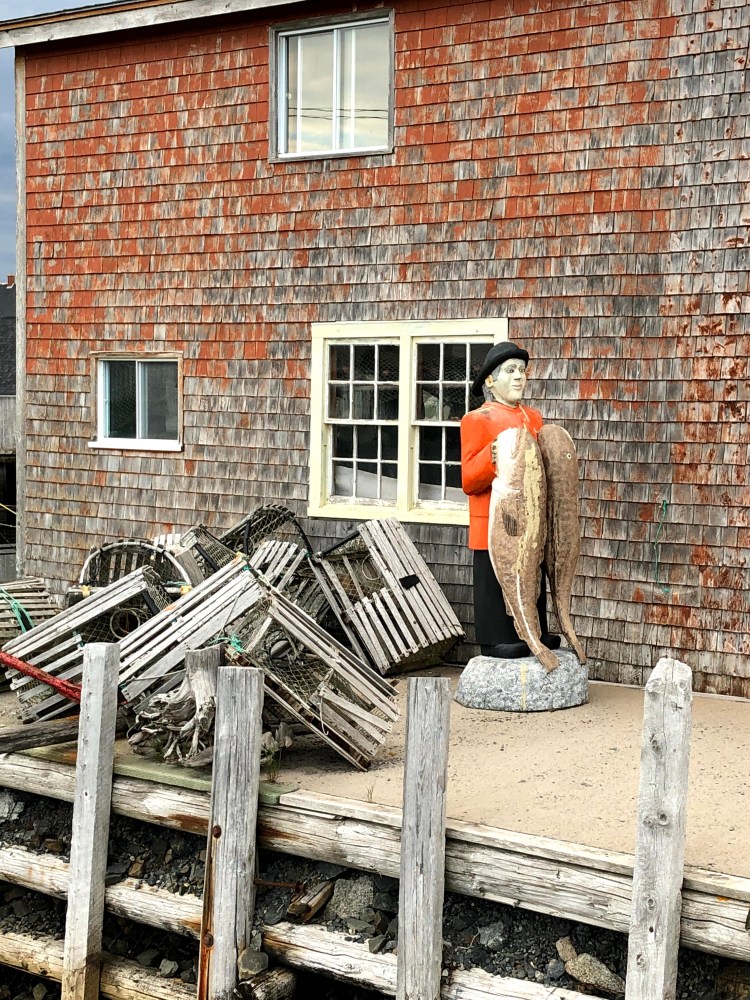
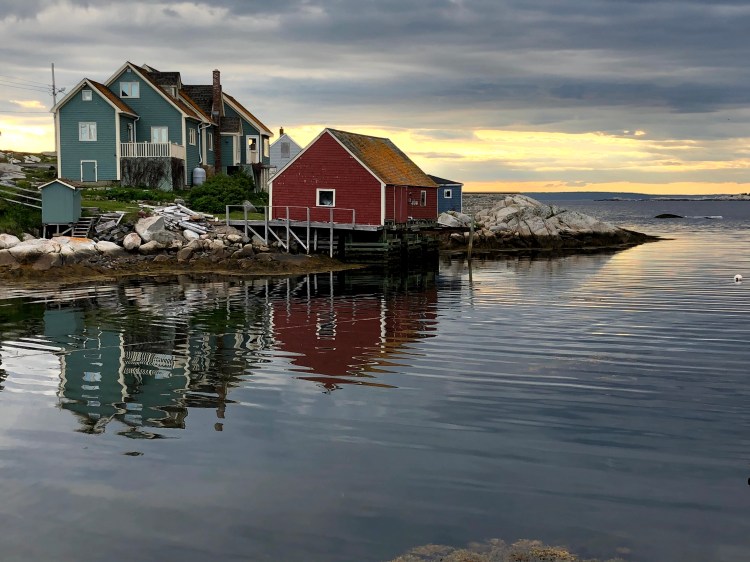
Peggy’s Cove is a working fishing village

img_4903

img_4905

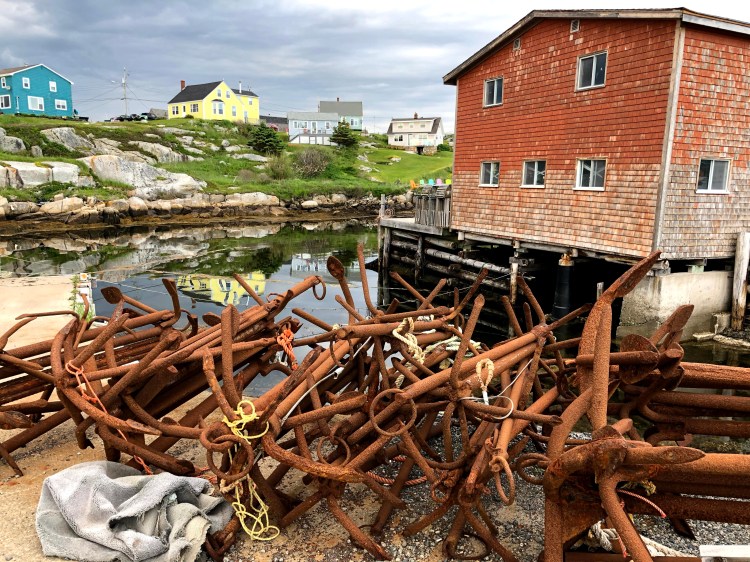
Pile of anchors 

img_4904img_4908

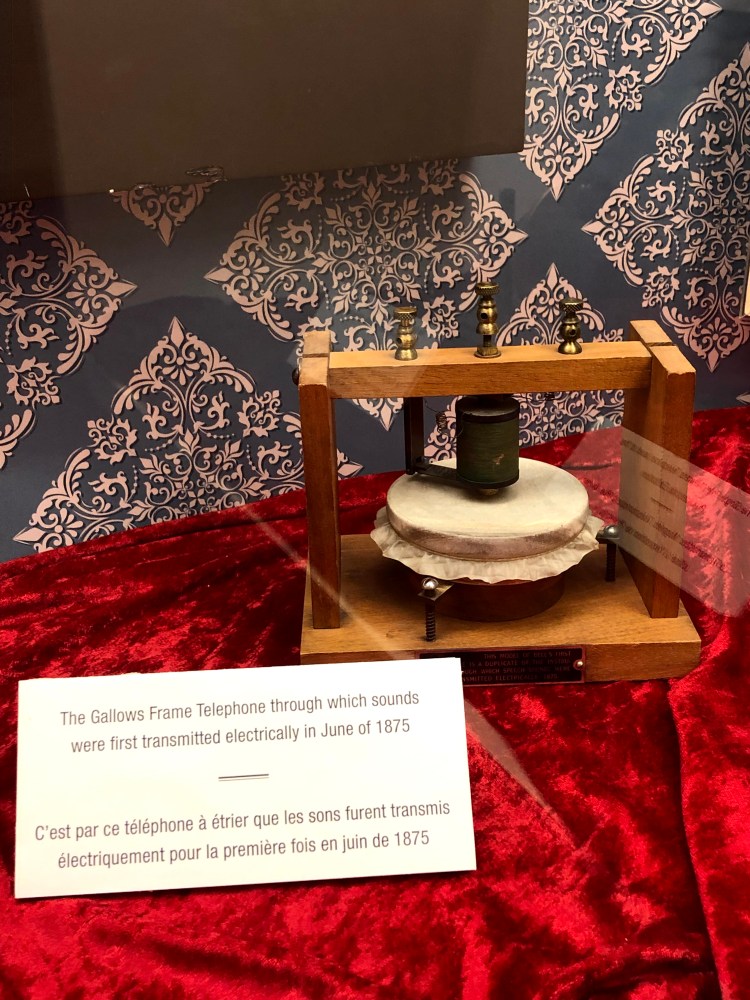
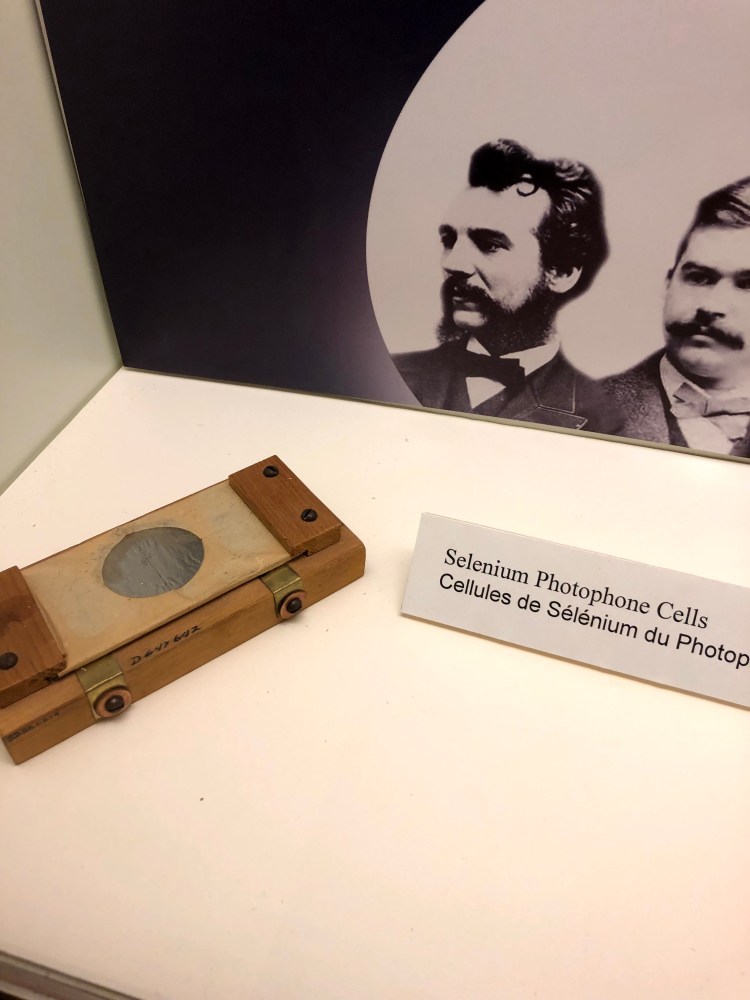
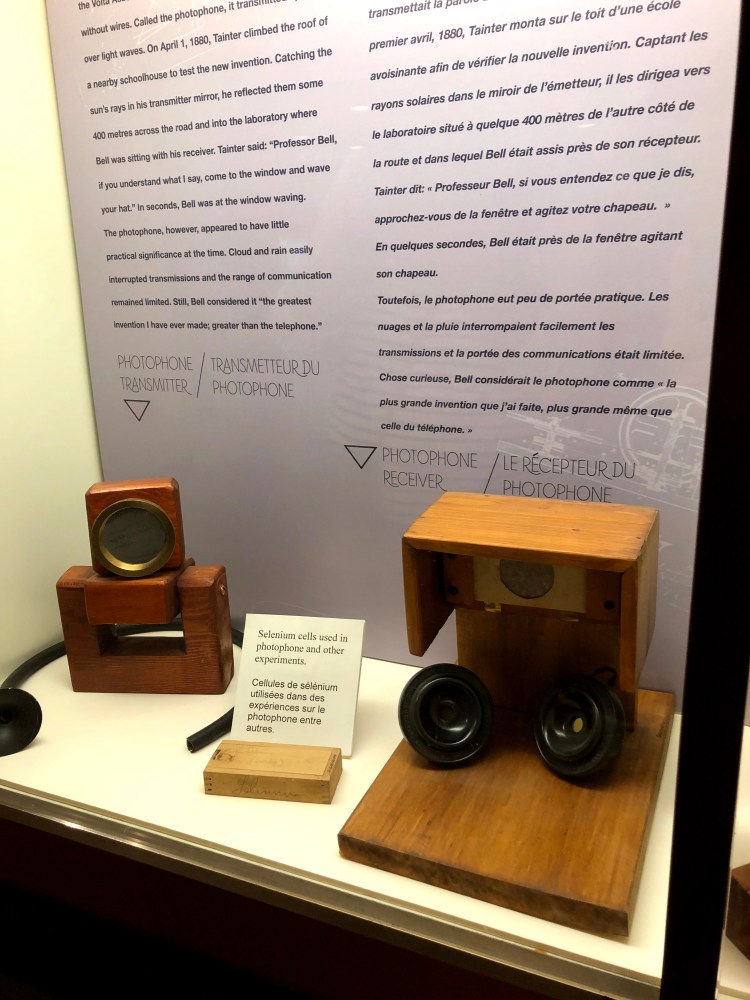
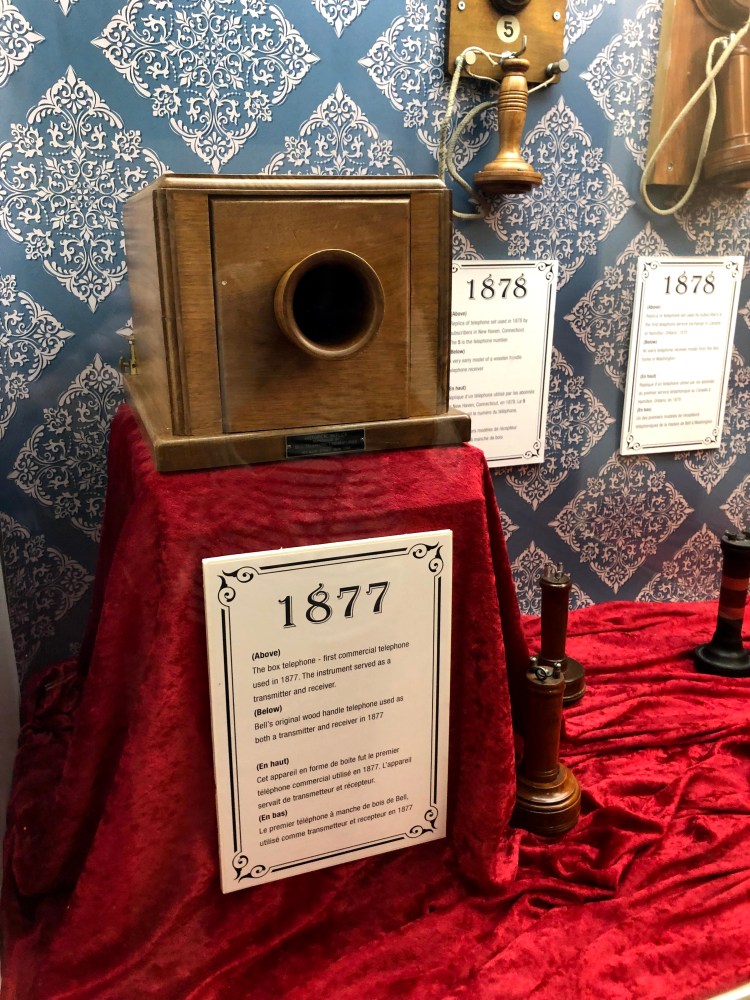
Alexander Graham Bell Museum June 18

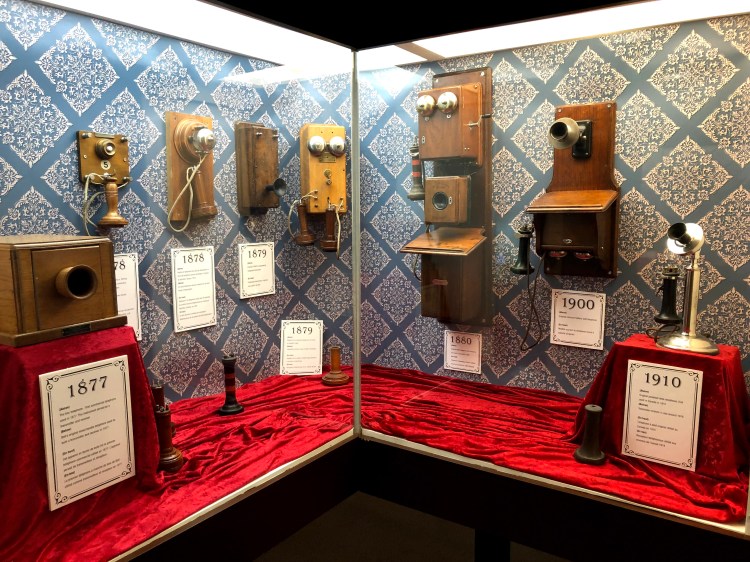
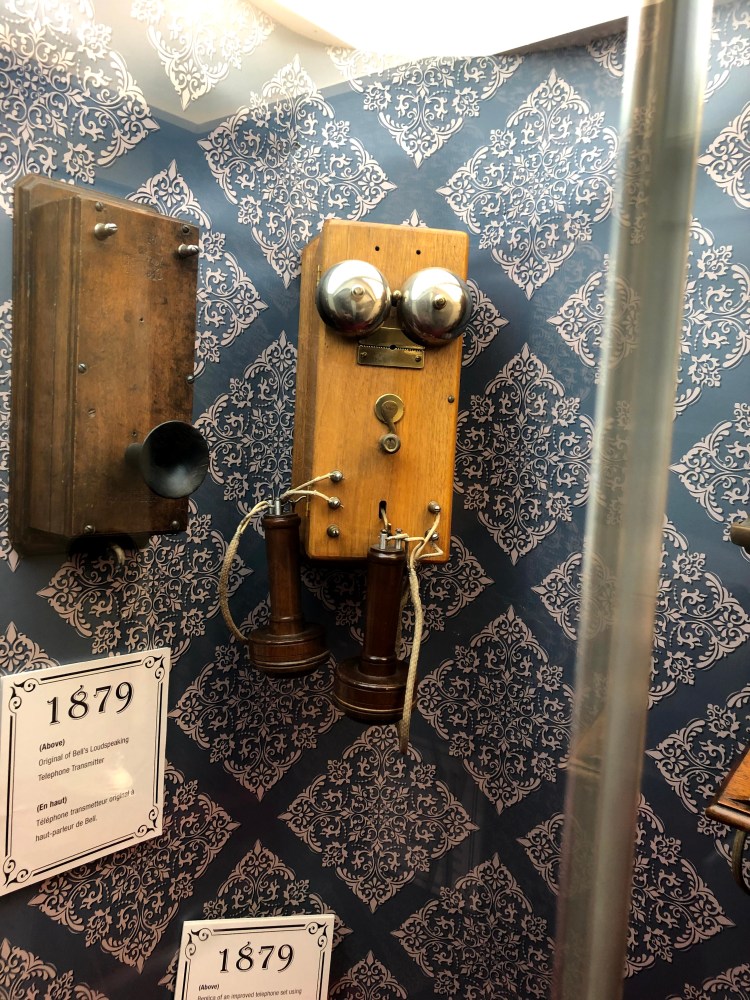
Today we toured the Alexander Graham Bell museum located near our campground in Baddeck NS. Bell was much more than the inventor of the telephone. He was part of the group that pioneered the first airplane flight in Canada. In addition he experimented with ocean going hydrofoils attain tremendous speeds on Bras D’or lake. When he moved to the United States from Scotland, he worked with the deaf including Helen Keller, teaching them to speak. From his work with the deaf the idea for the telephone was born.    Bell loved everything about nature and wanted to become one with it. One night he went outside in a bathing suit during the tremendous thunderstorm. He came in dripping wet happy as a lark.  He loved Beddeck NS because it reminded him of Scotland.   His experiments, subsequent inventions, and humanitarianism is his legacy.

img_4797

img_6435

Silver Dart

img_4801

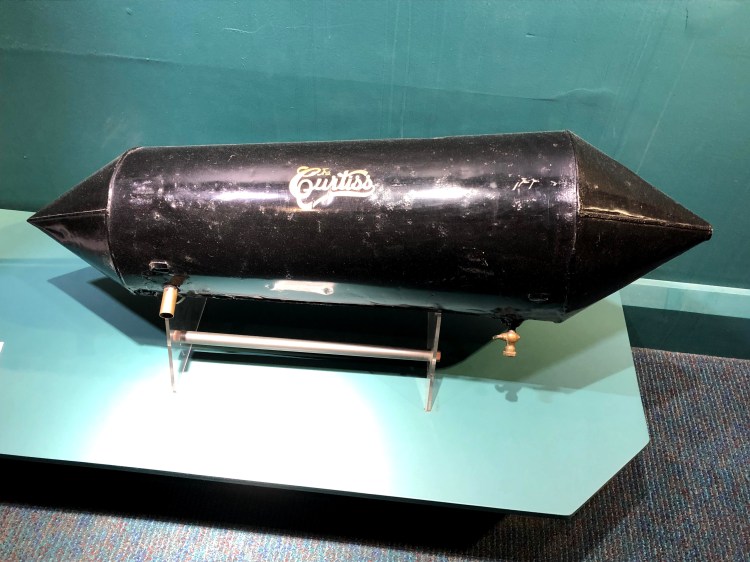
Gas tank from the “Silver Dart” airplane

img_6448

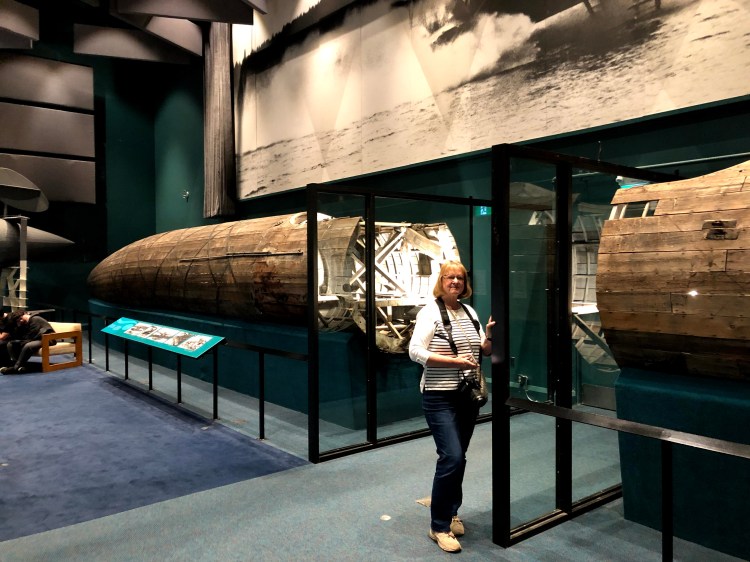
Pieces of the original hydrofoil 

img_6449img_4812img_6457img_6456img_6461img_6462img_6463