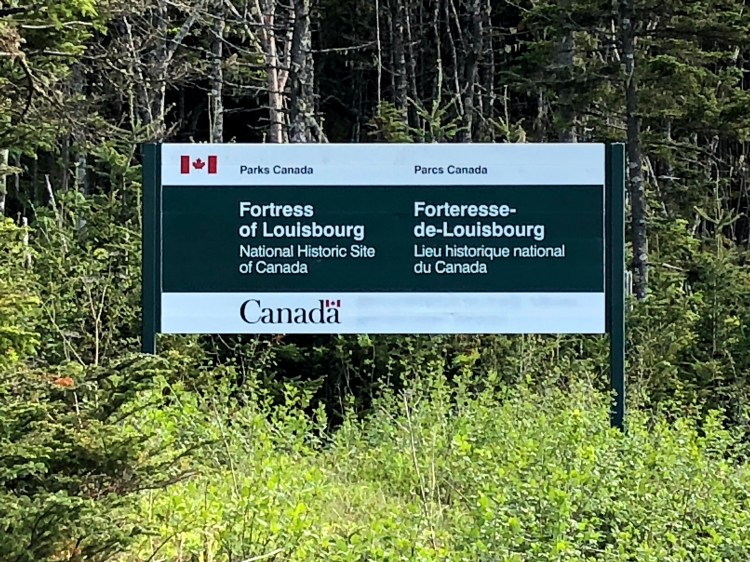
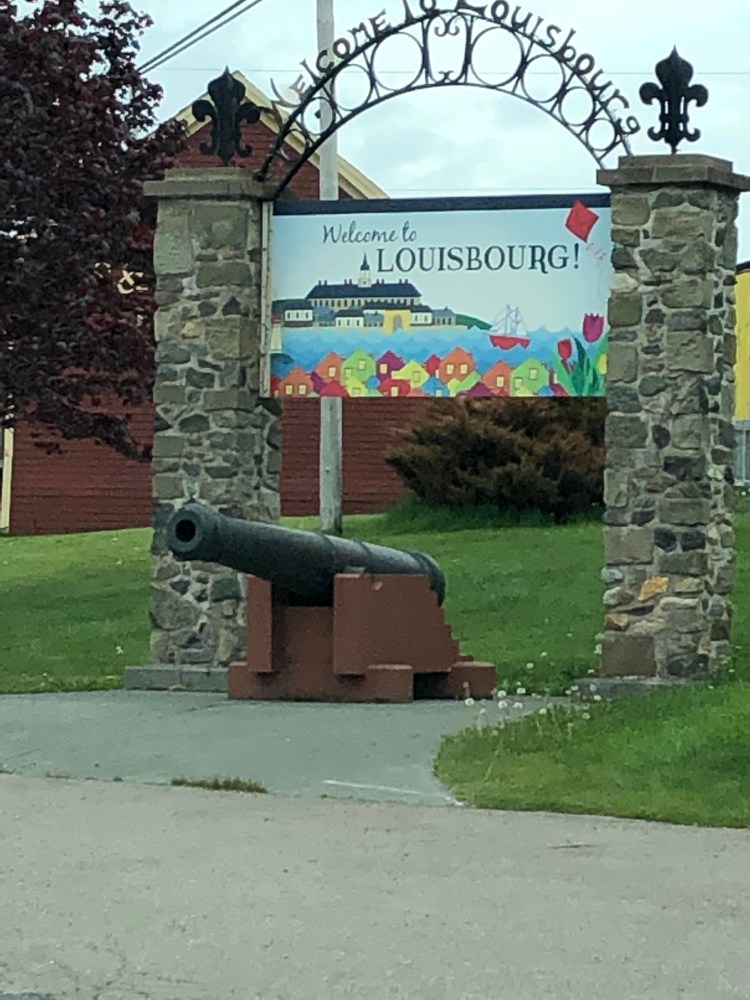
Fortress of Louisbourg June 17

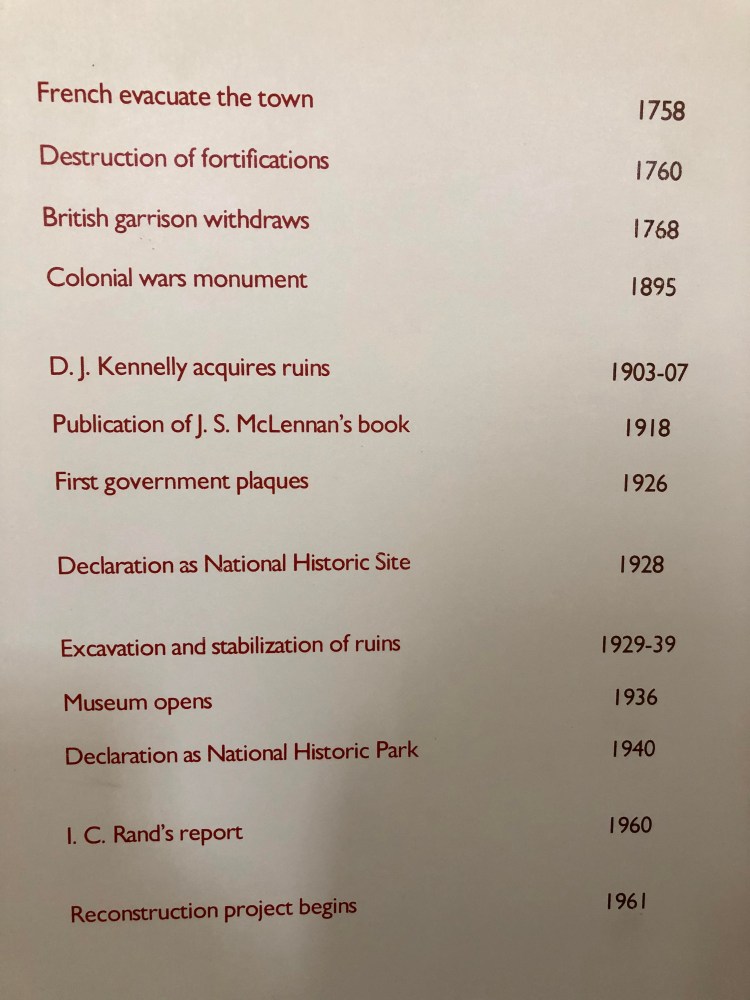
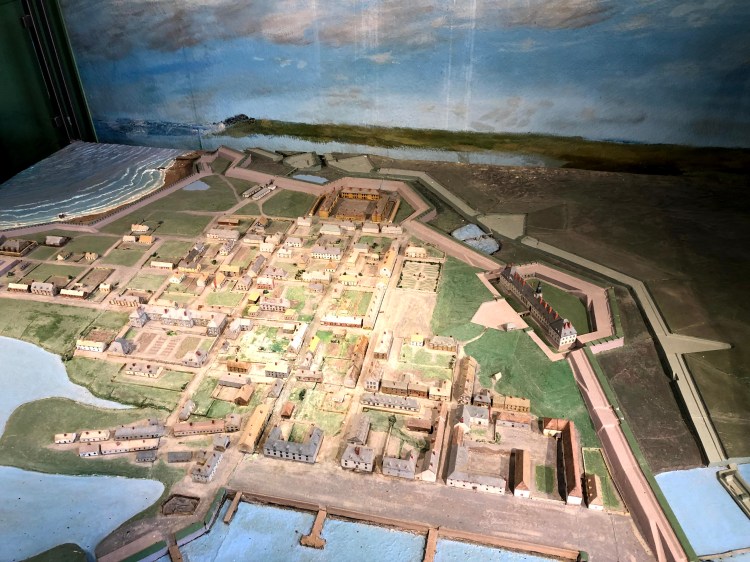
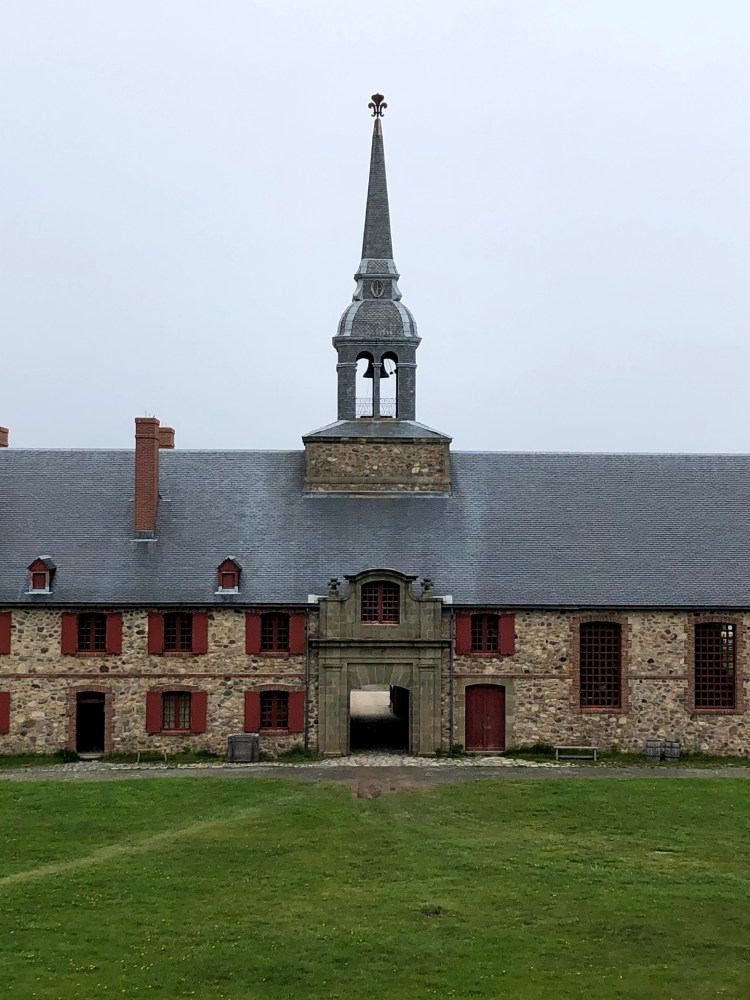
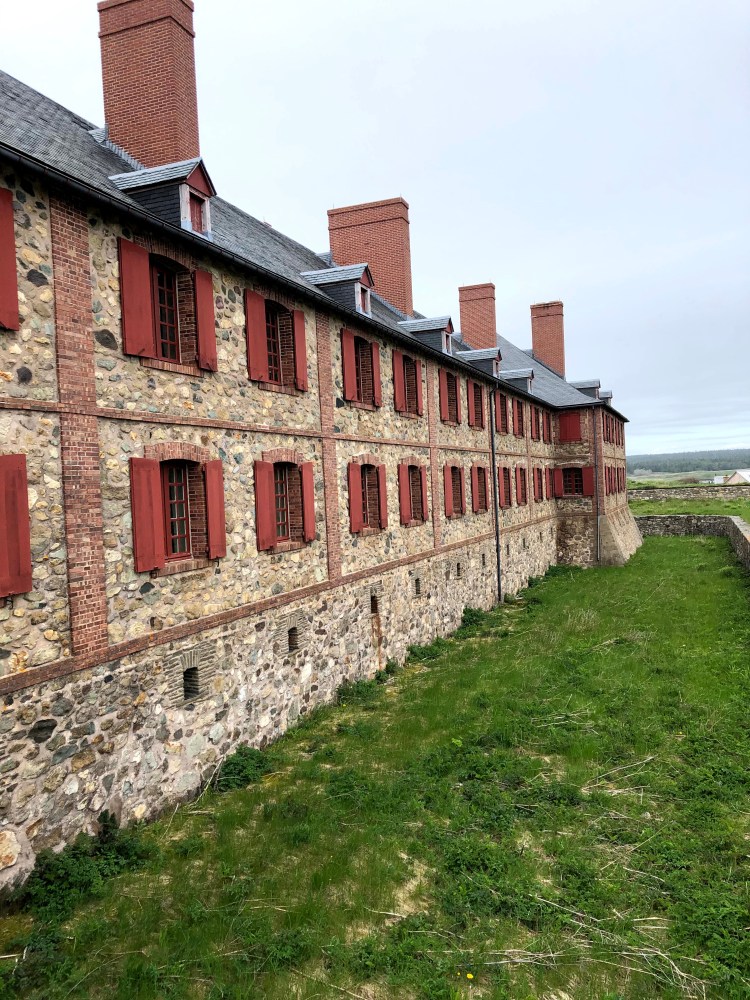
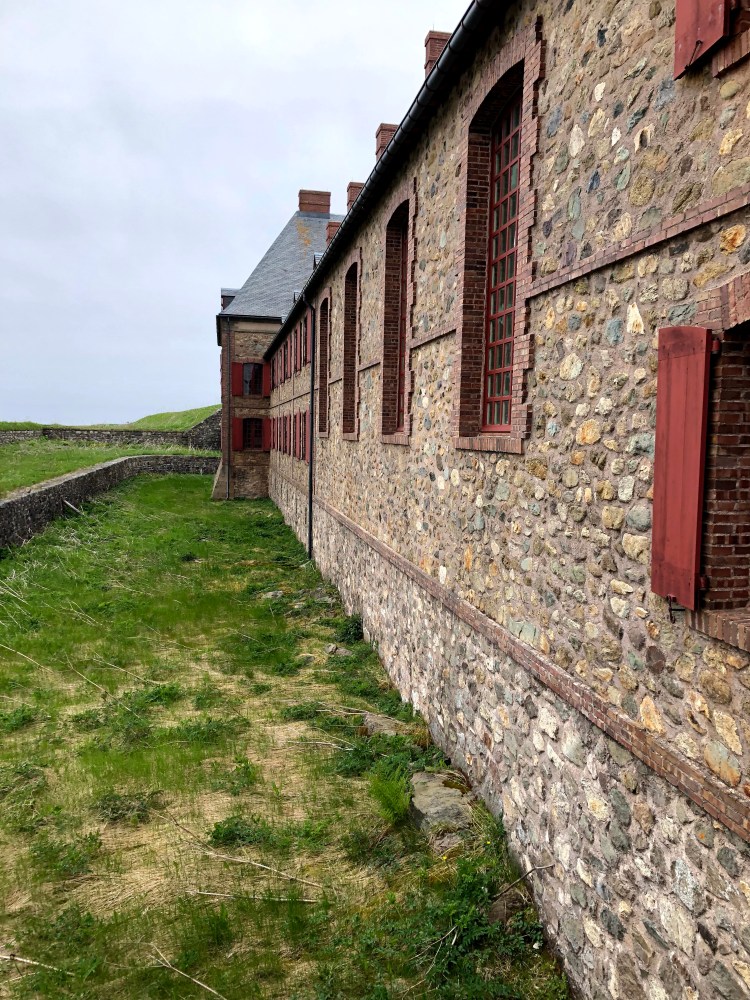
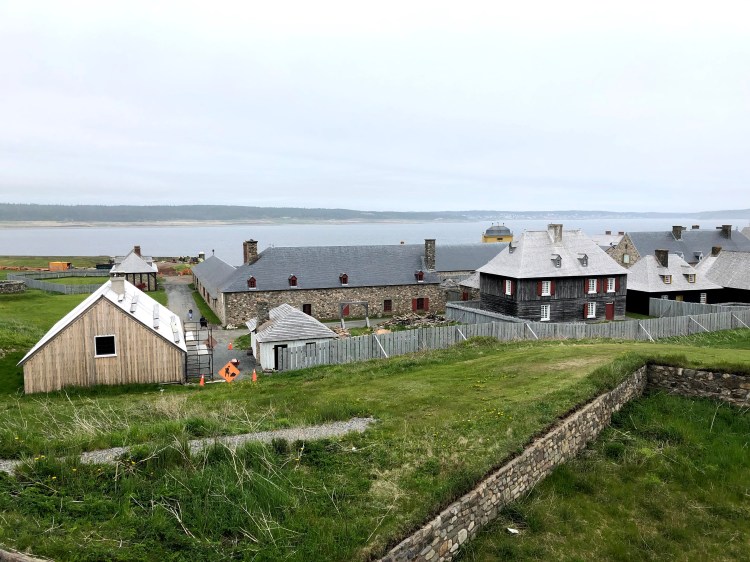
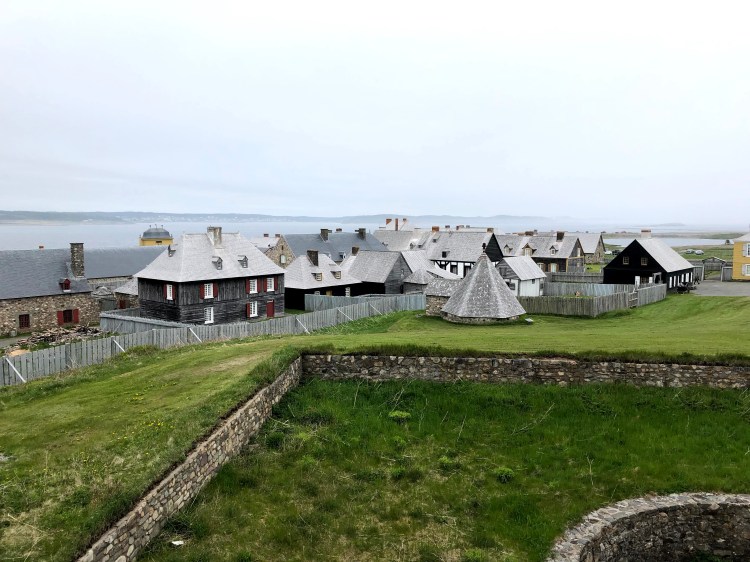
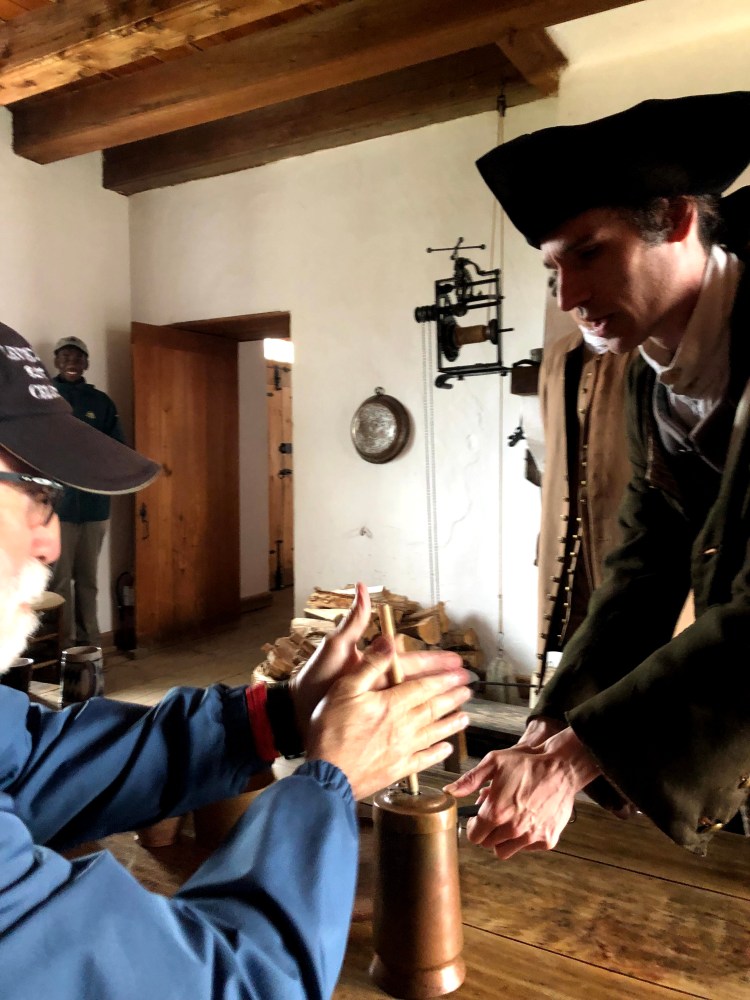
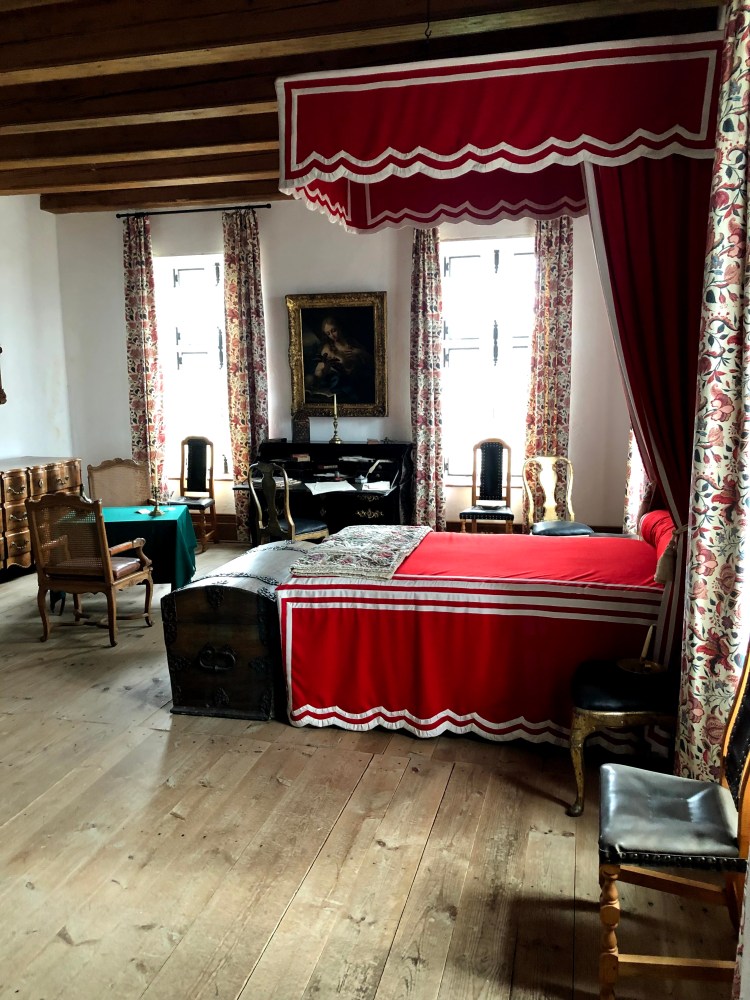
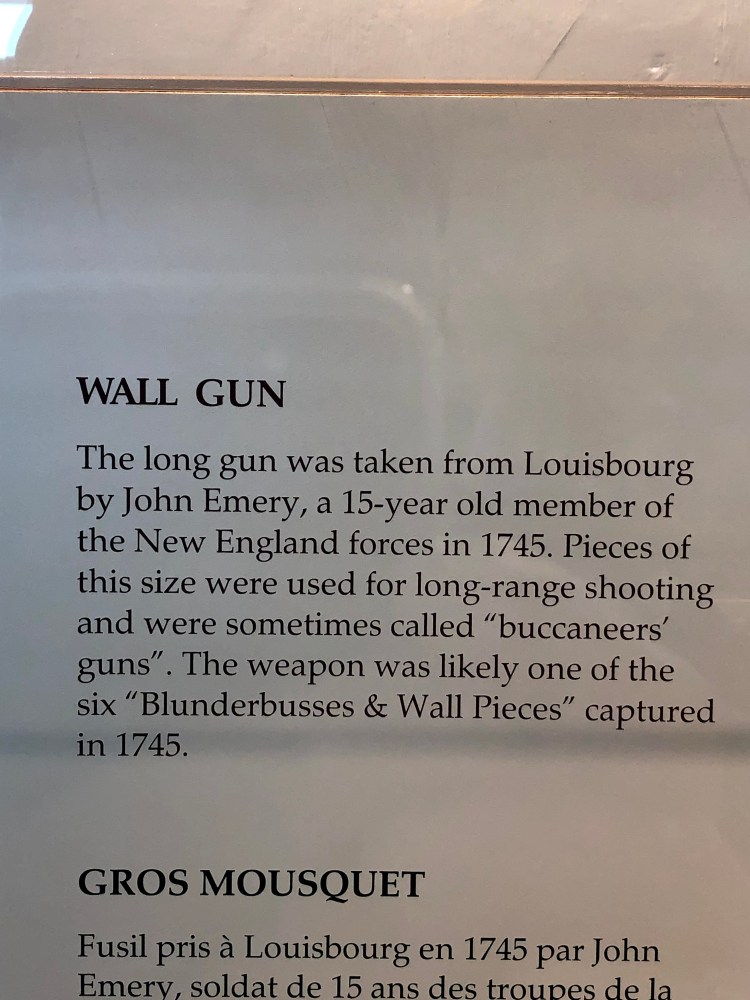
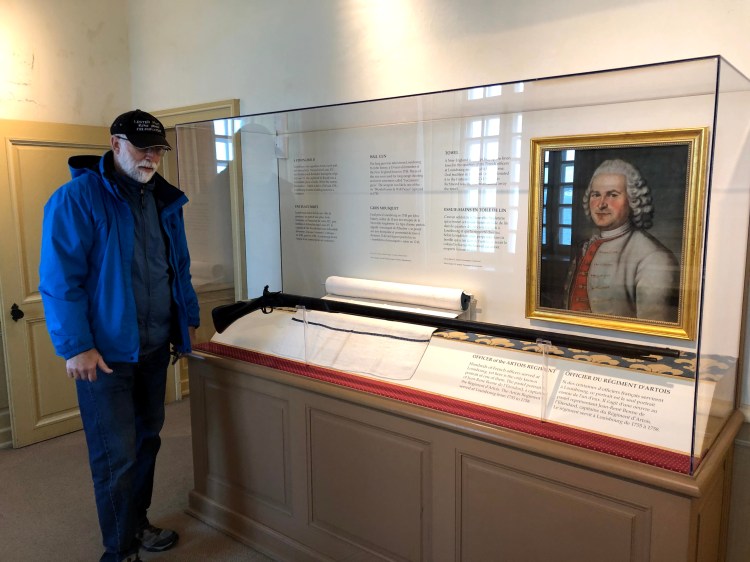
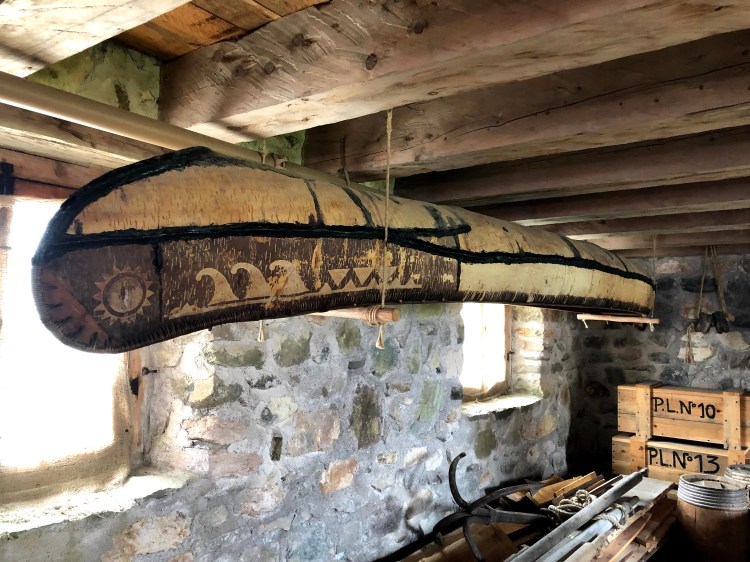
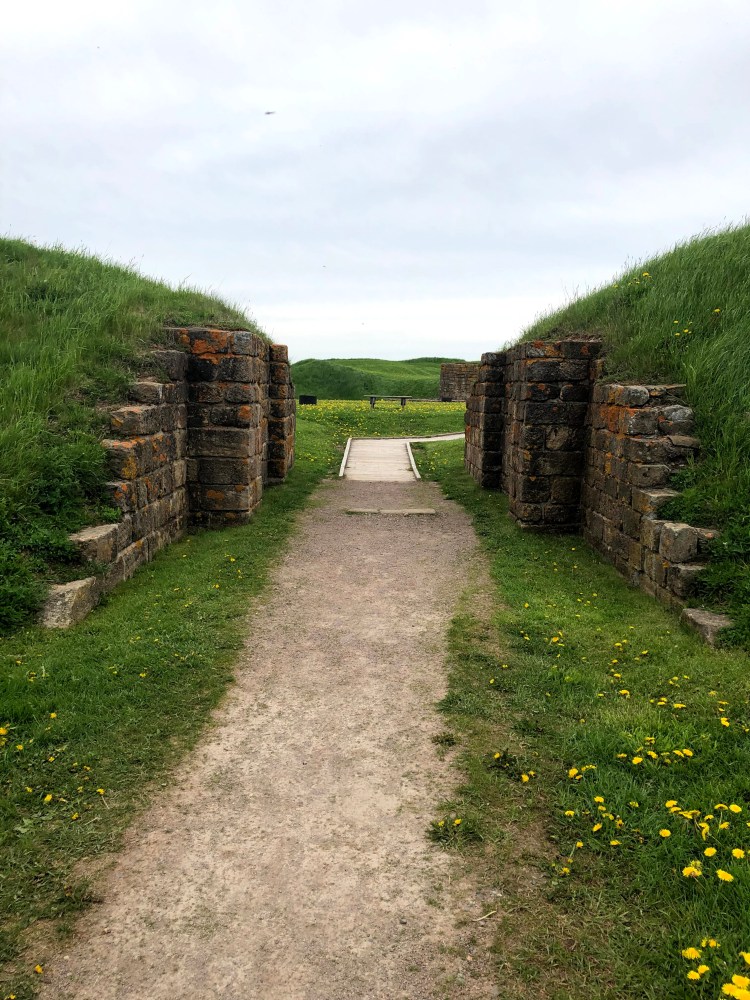
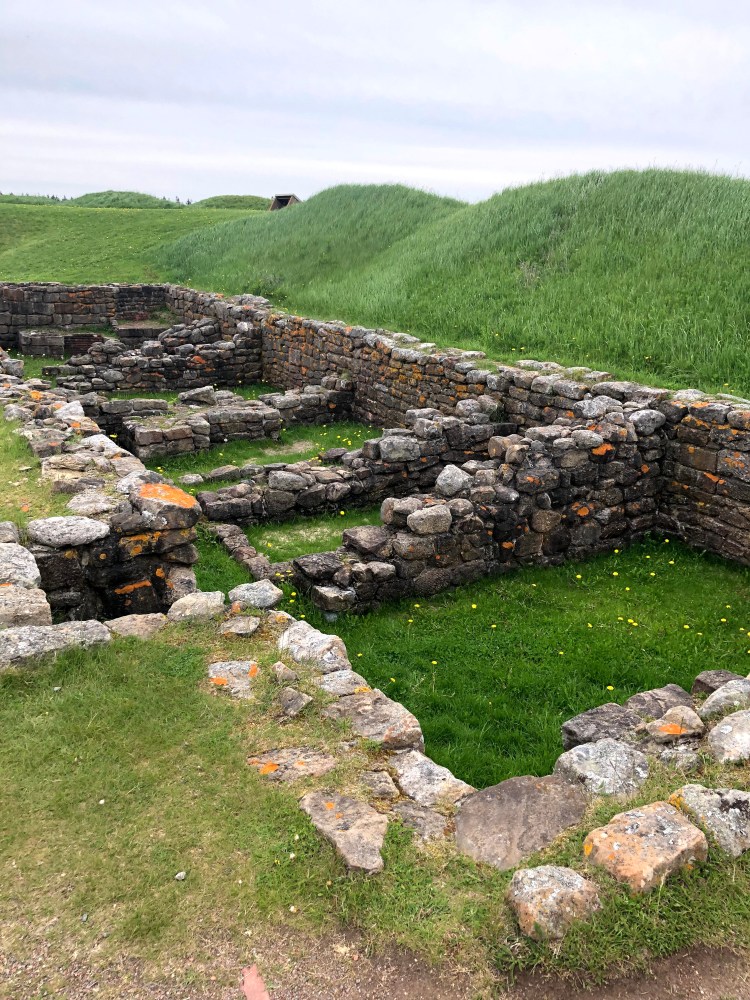
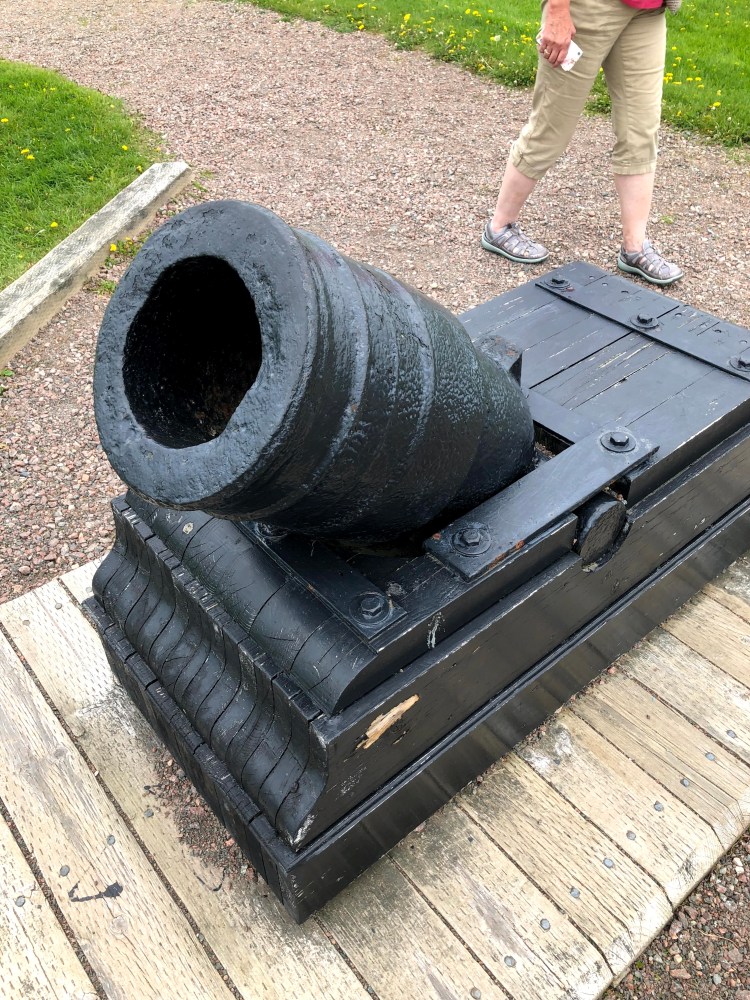
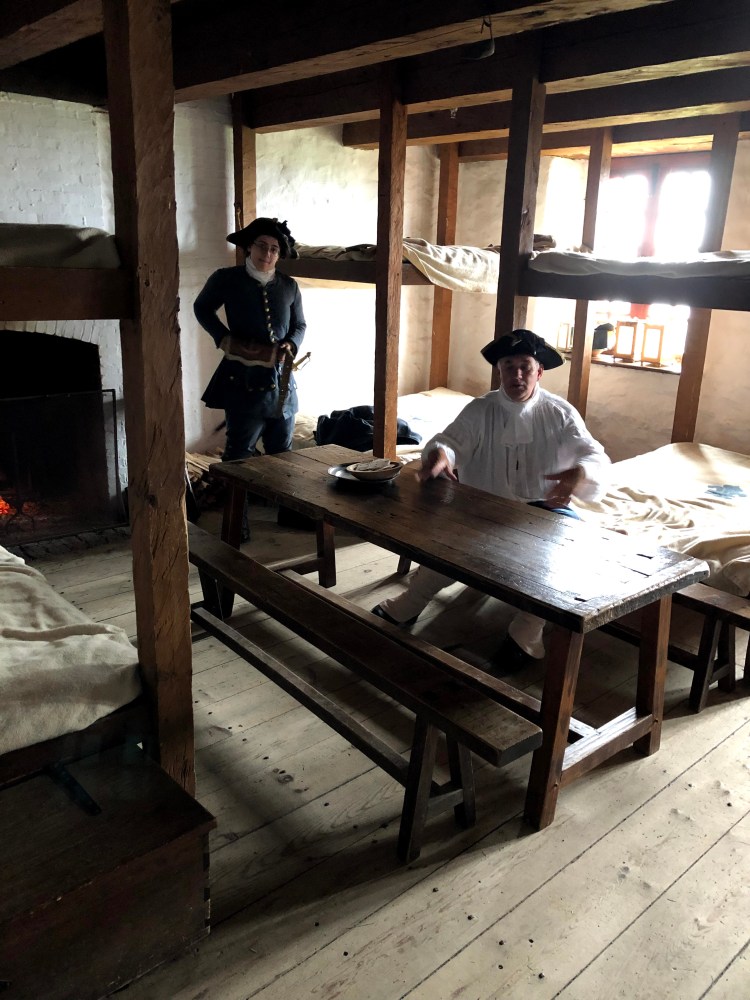
The Fortress is located south and east of Sydney NS and is a testament to Nova Scotia and Parks Canada for rebuilding it.  In 1961 the only thing standing were about 300 feet of walls, everything else that was worth saving was torn down by the British after the battle in 1758. The story of building the Fortress is amazing in itself.  The local coal mines were shut down and all the miners needed work.  The government taught skilled trades to the miners.  Masons, carpenters, welders, and blacksmiths were all trained to build the fortress and furnishings according to plans from France and local documents found in the area.  In addition, the total compound includes about 9 blocks of the original city of Louisbourg which had to also be rebuilt. The original port city encompassed over 34 blocks.  Further restoration is on going based on documents and foundations that are in the ground. The cost on the 1960’s to rebuild the structures was 26 million dollars.  Today’s cost to maintain and staff the location in period clothes is about 26 million.  Park Staff members are located in each building that is open and are acting as a person that lived there or were part of the military garrison manning the Fortress.  Each person knew their roll and were extremely knowledgeable about the town, Fortress and the Port city of Louisbourg in the 1700’s.  We took a short tour and learned about the everyday life of a soldier and then went to the city engineers home for a cup of hot chocolate.  I was asked to mix the chocolate and spices in the container.

We had a fabulous day in spite of the blustery weather. This is a must see when in Nova Scotia.
img_4703img_4796img_6423img_6420img_4741img_6372img_4710img_4711img_4746img_4745img_6352

img_6361

Making hot chocolate, not easy! It takes about 20 minutes to break up the spices and chocolate in the water.
img_4731

img_4715

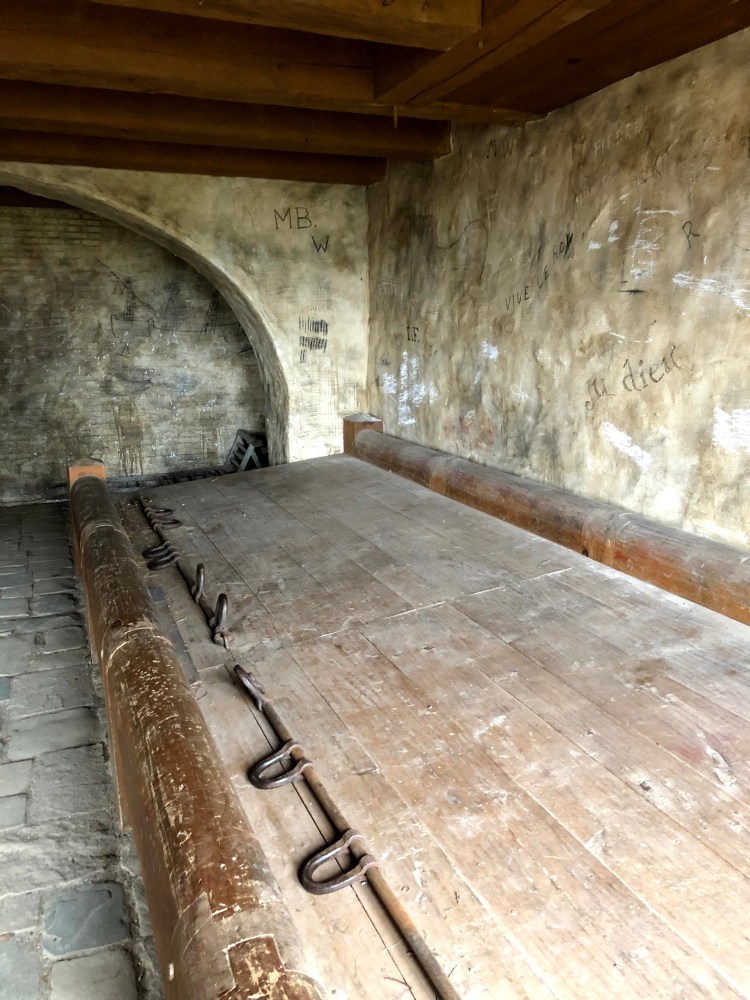
A holding area for the soldiers who were being reprimanded.
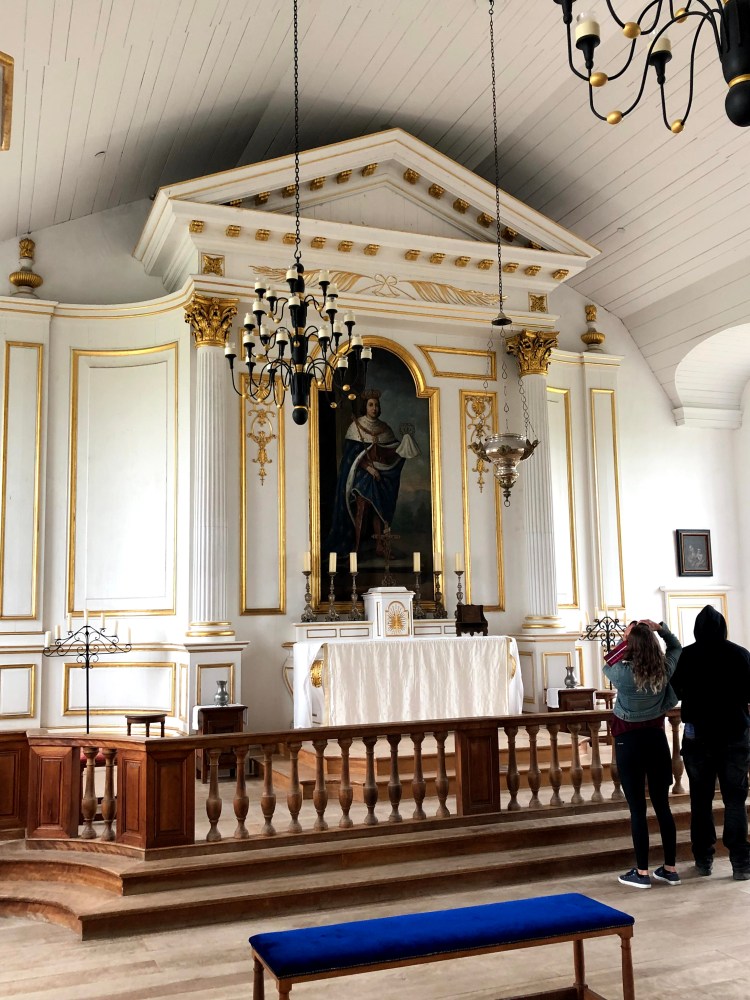
img_4719img_6393img_6367

img_4752

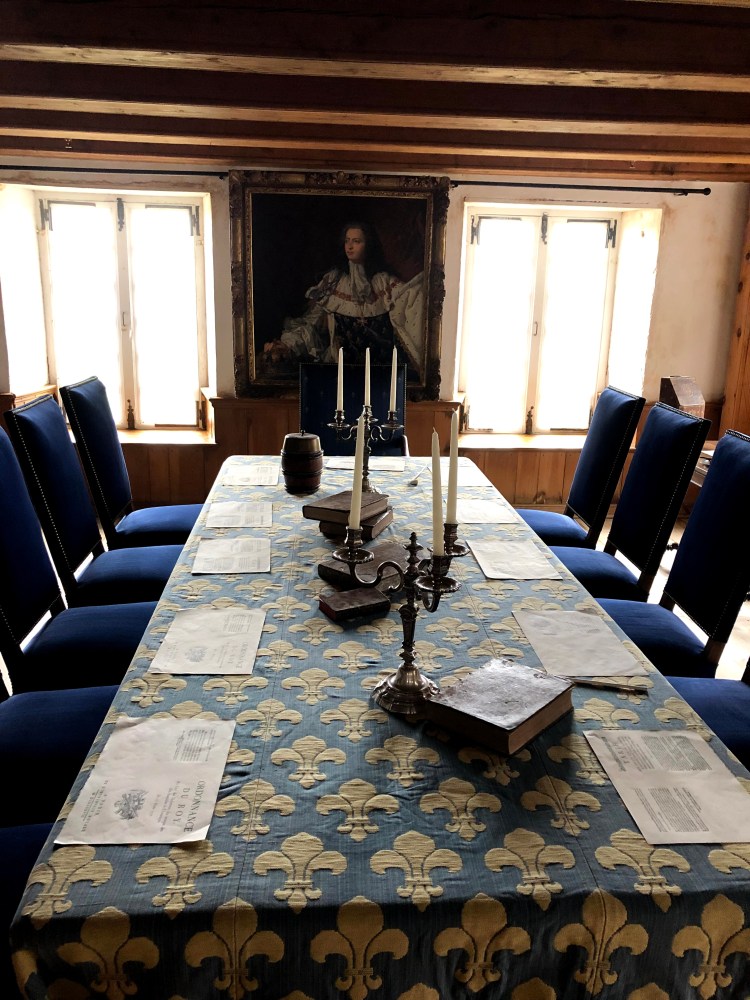
Louisbourg court.
img_6416img_4781img_4770

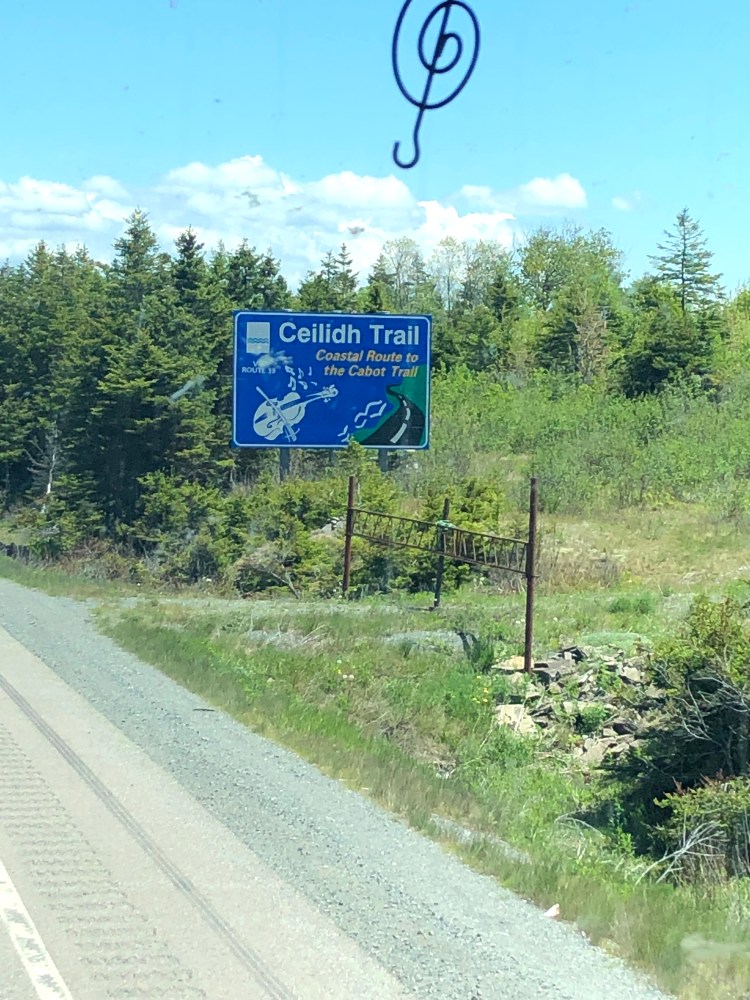
Ceilidh Trail June 16

A Ceilidh is a gathering and in years gone by the gatherings were at different homes, then community centers and now just about anyplace can have a “Gathering” for music and dancing. The gatherings were great places to pass down cultural history through music, dance and stories.

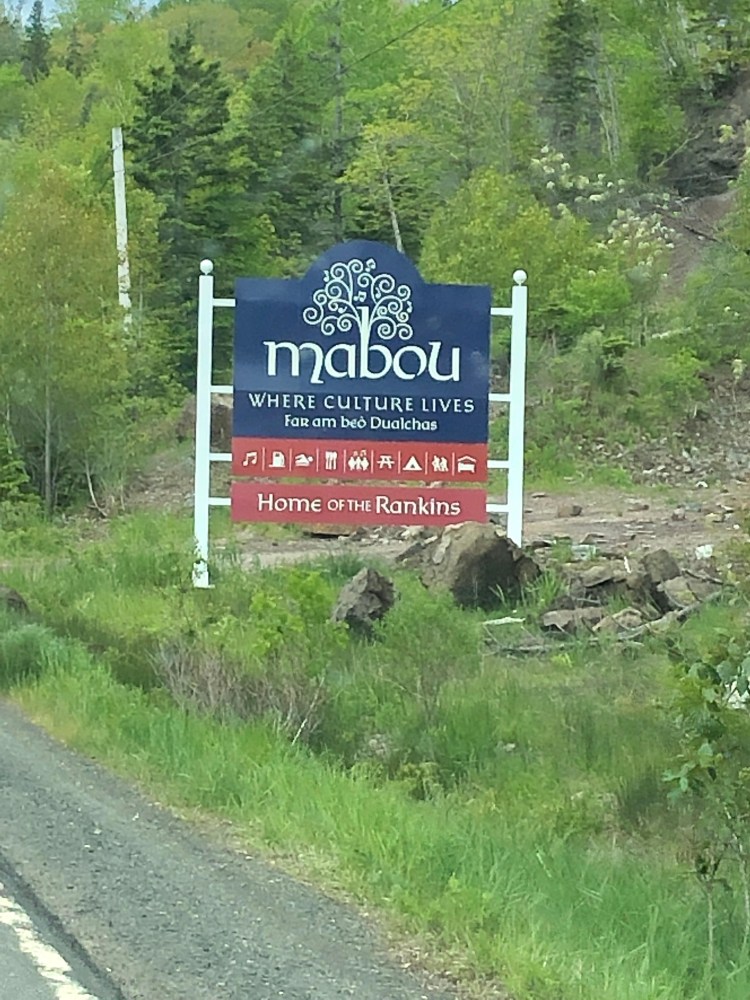
Our day started at the Mabou market, held each Sunday. The market was held in a hockey arena with four rows of wonderful artisans and food vendors and one gentleman playing guitar, singing country and rock oldies.  We bought some bread and honey for the next days breakfast.

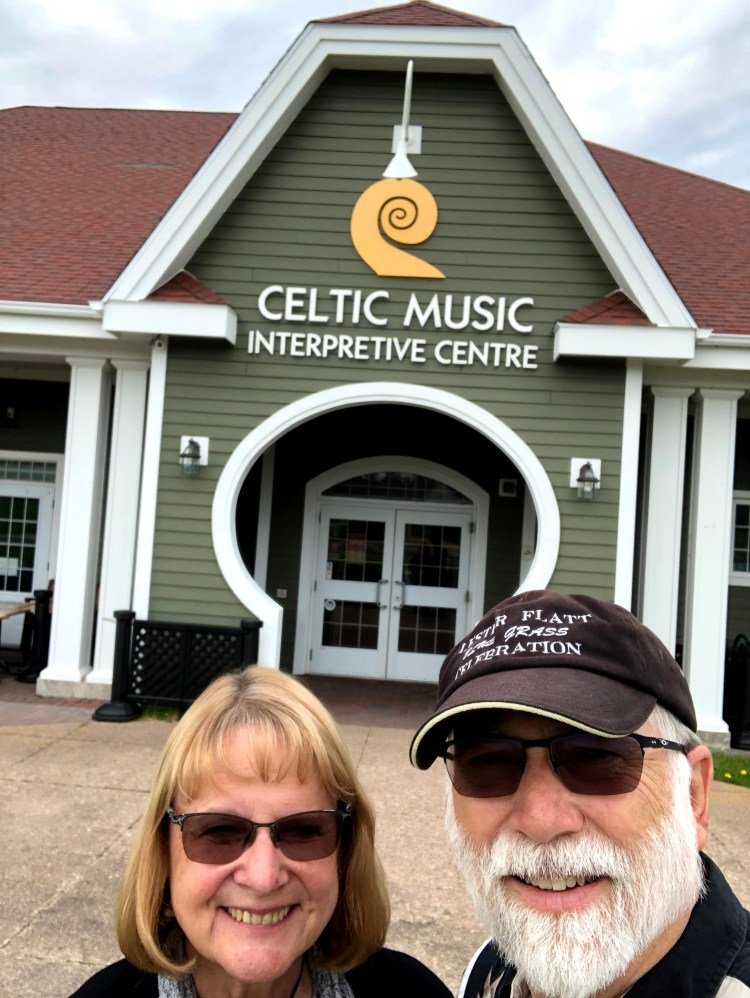
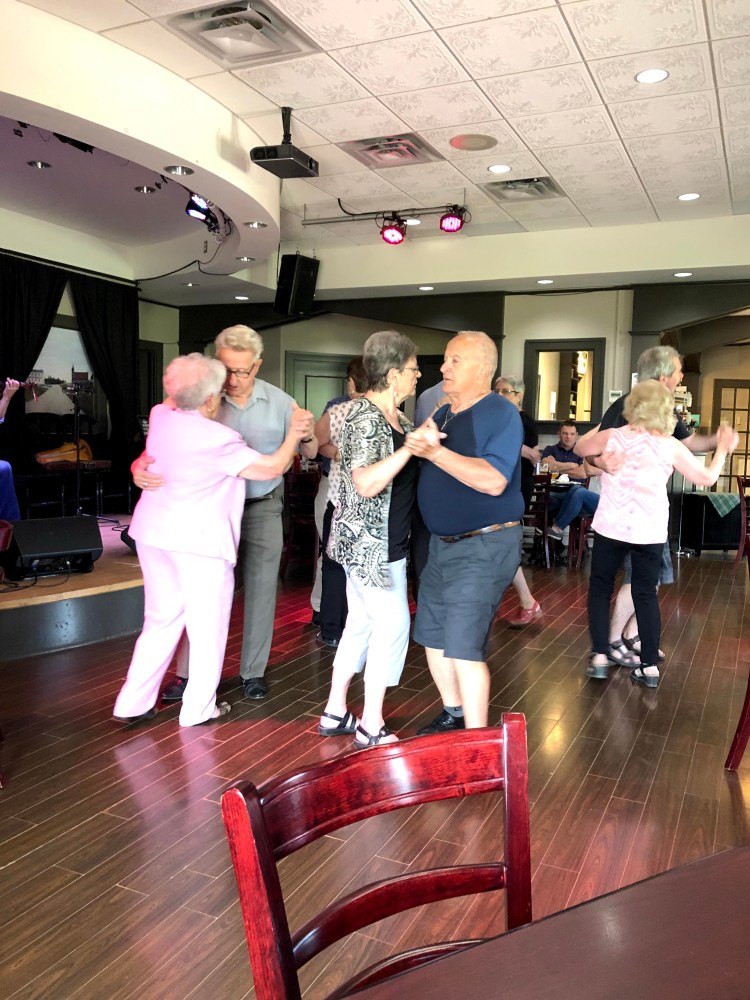
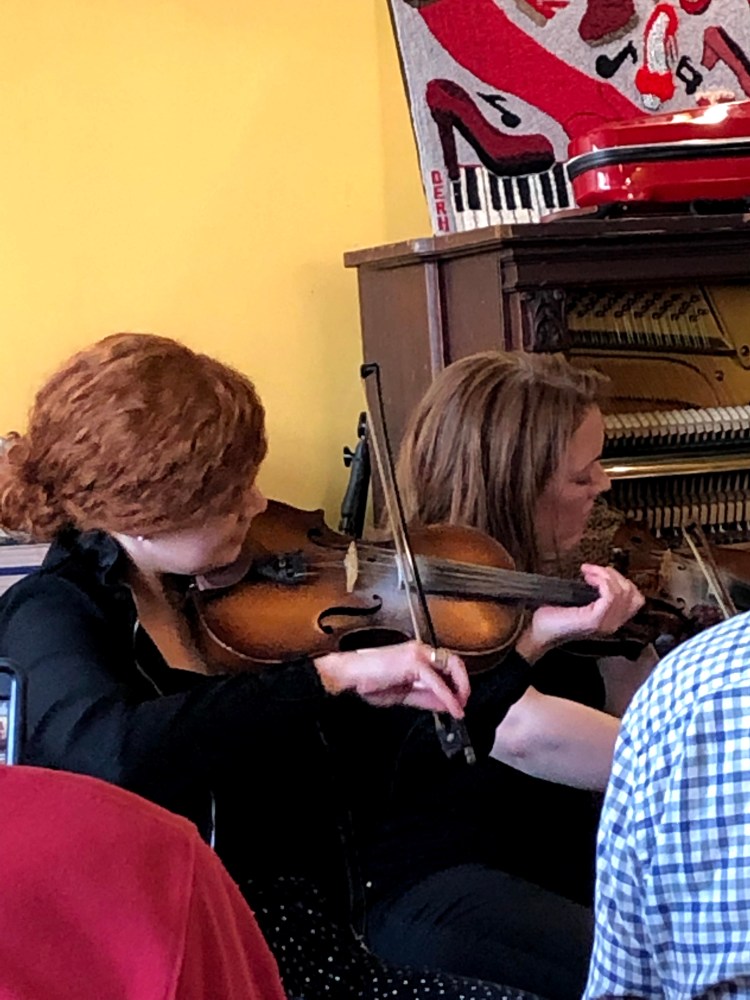
Leaving Mabou we drove south to Judique to visit the Celtic Music Interpretive Center. There we tried to learn Step dancing, which Nancy was very good at and to play fiddle.  After we walked through the exhibits we sat in the Gathering Room for refreshments and to listen to music.  One fiddle player accompanied by an electric piano was just awesome.   We were also treated to locals doing the Celtic version of square dancing, which was a mixture of the typical square routines with step dancing mixed in.

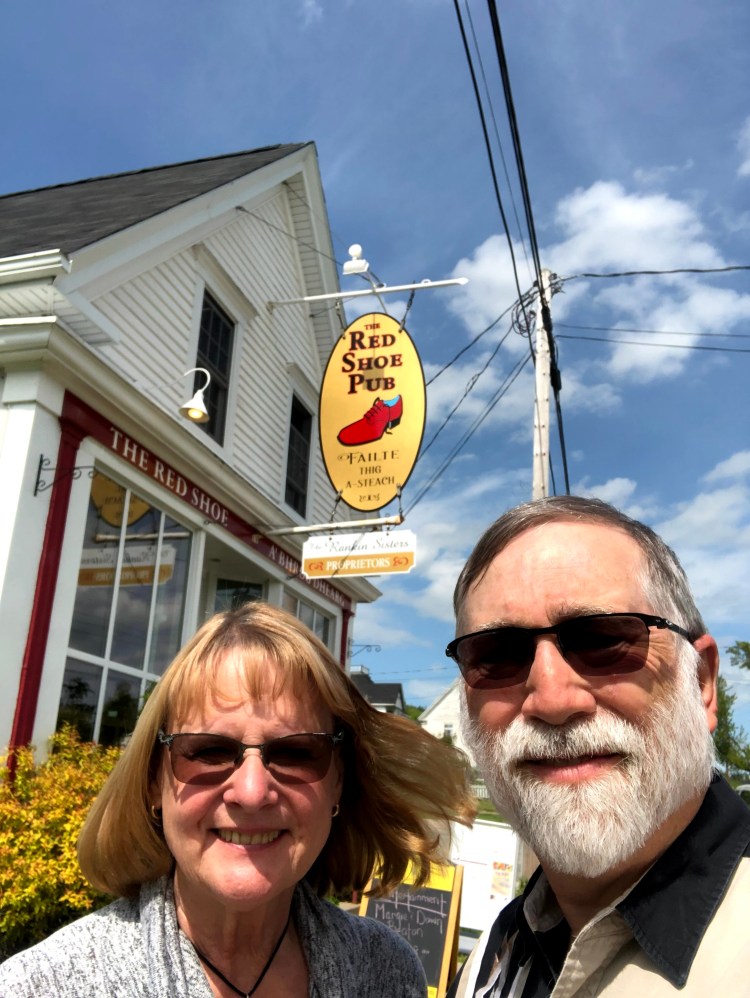
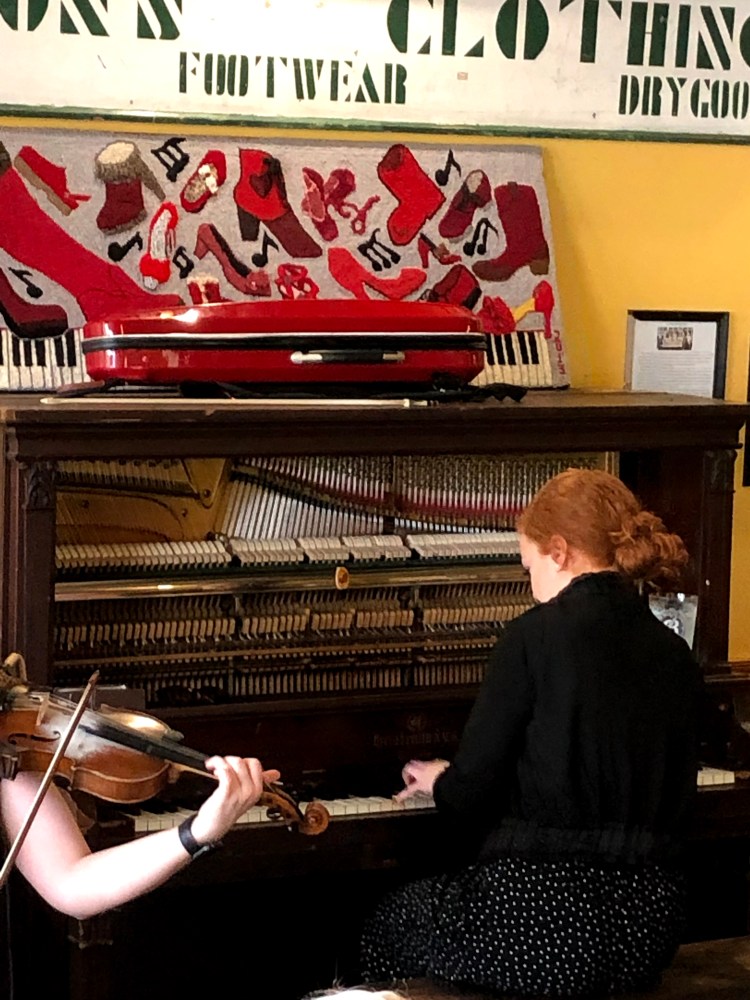
At 3 Pm we returned to Mabou for dinner at the Red Shoe Pub. Two fiddle players Margie and Dawn Beaton provided the entertainment and wowed the crowd for three hours.  The gal on the piano used every note, all the way down to the lowest one! It was amazing to hear. Nancy downloaded their CD so we will always have a memory from Mabou.

img_4629img_6316

img_4642img_6340img_6342

img_4673

img_4692

Nova Scotia June 15

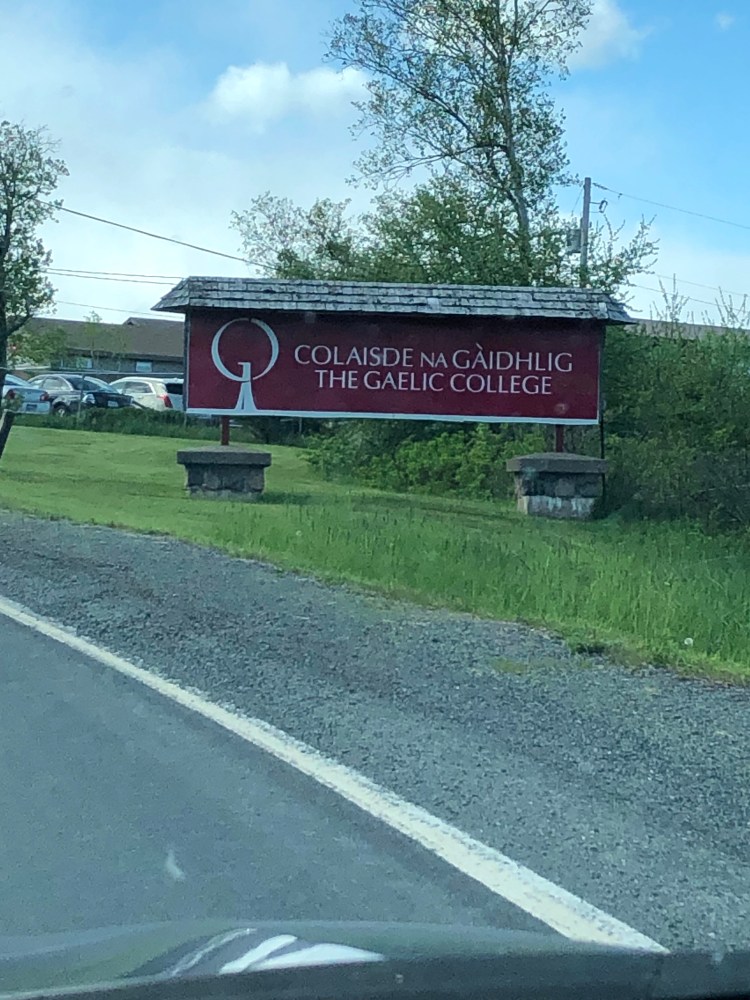
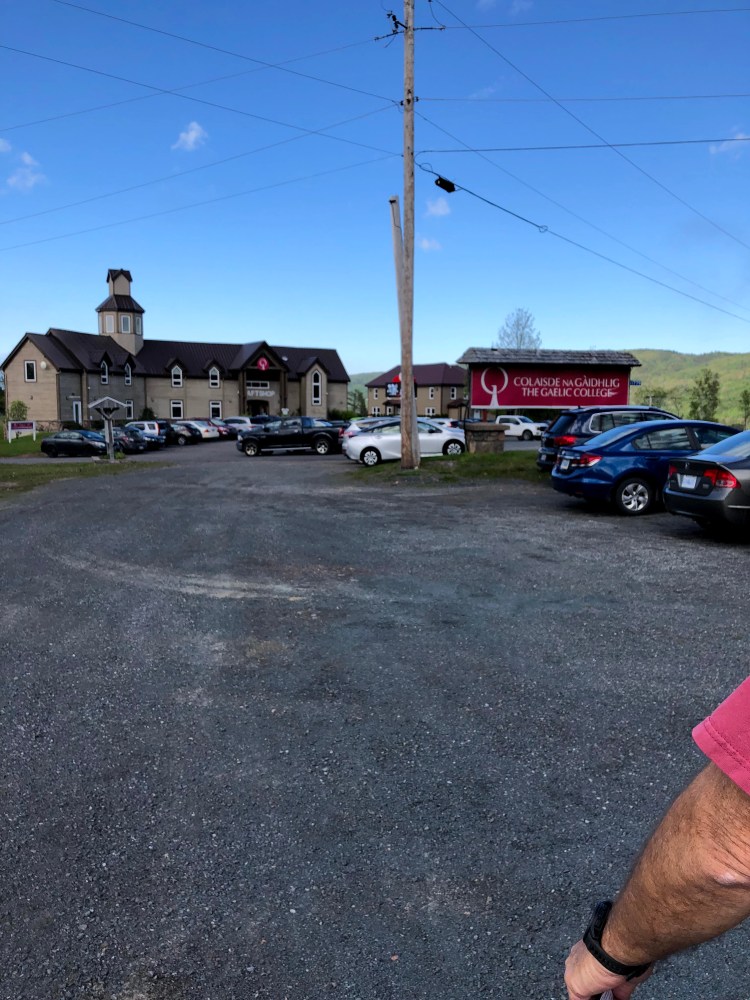
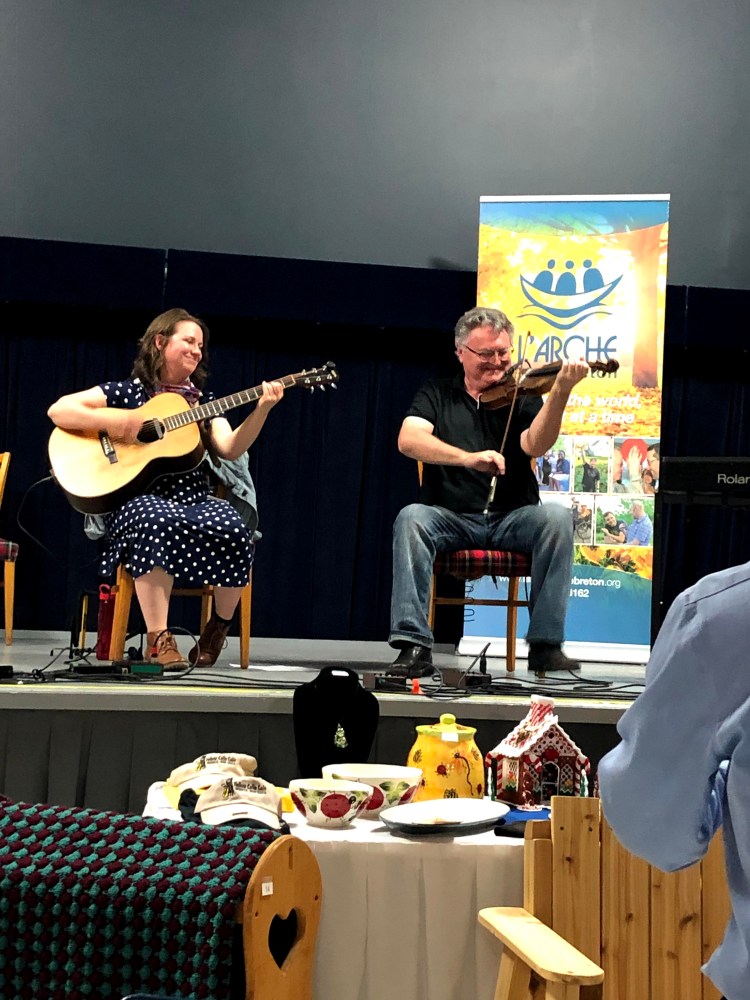
After a five hour drive we arrived at our campground in Beddeck Nova Scotia, Cape Breton Island. The surrounding area is very hilly and a 62 mile long inland sea “Bras D’or Lake” is just a short distance away. This inland sea is a combination of fresh and salt water and connected to the ocean via several channels.  After setting up the campground owner asked if we wanted to go to a Chowder cook off at a Gaelic college about 20 minutes away. We said sure and off we went. We feasted on Seafood Chowder and really enjoyed the entertainment. What a great first night in Nova Scotia.

img_4595img_4593img_4600img_4614img_4616img_4617


Going to College June 14

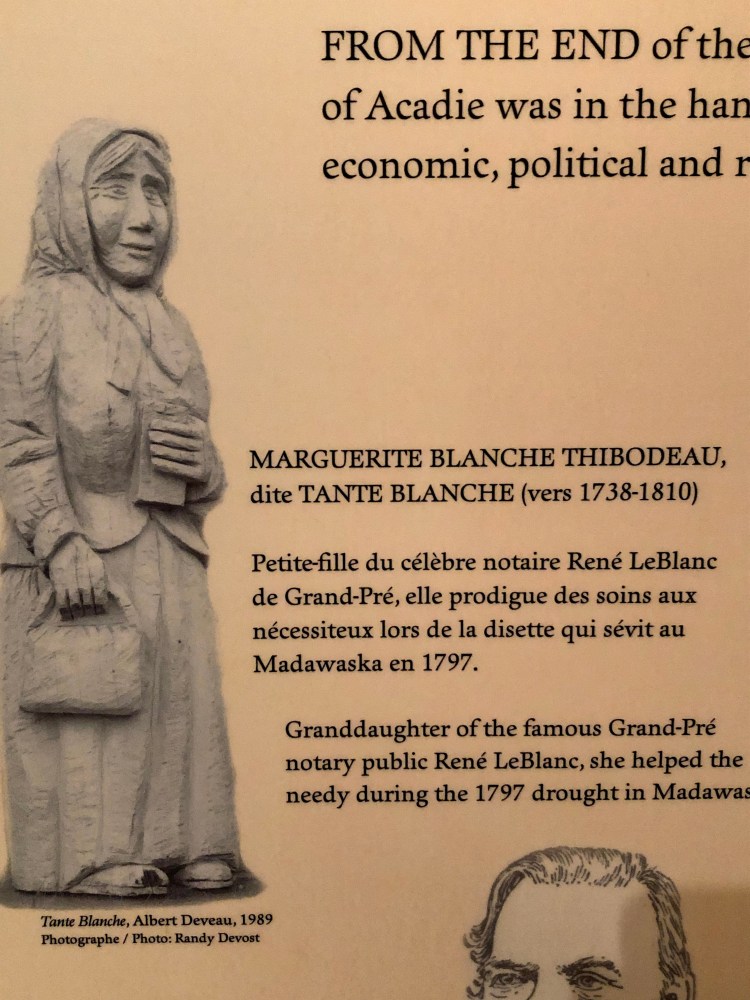
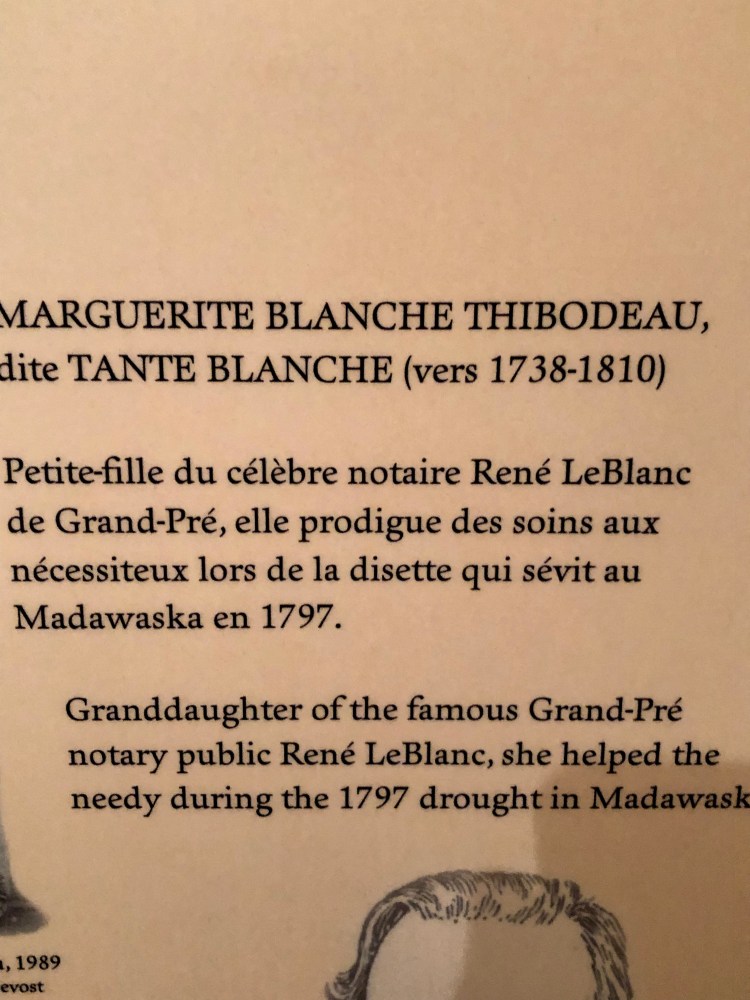
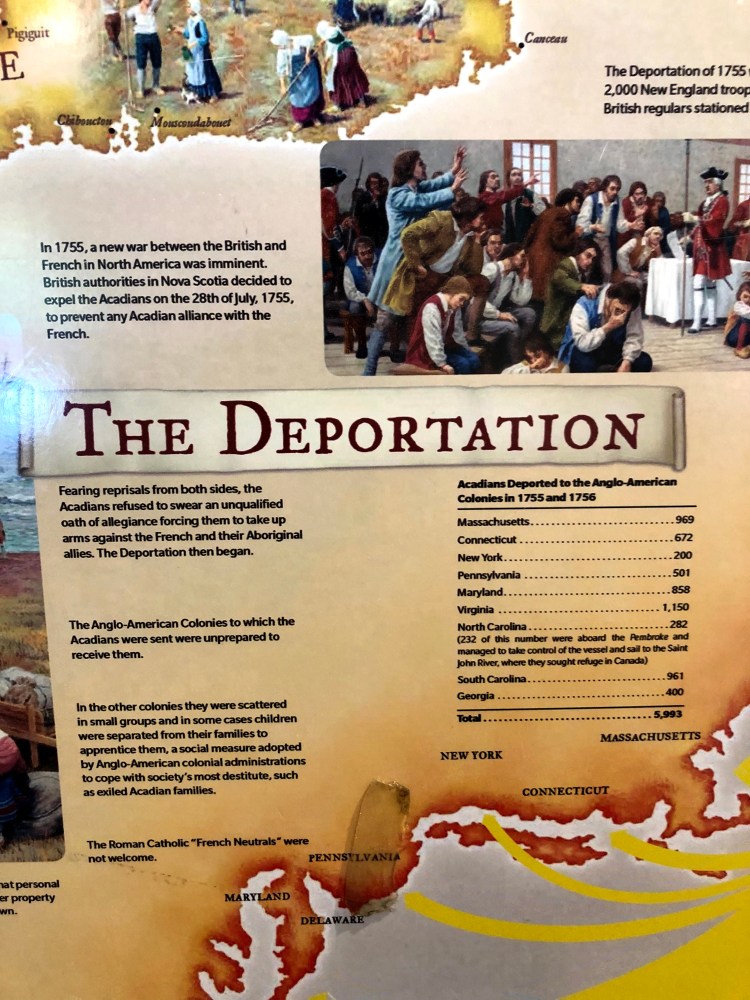
We arrived early at the University Moncton Centre Acadian Museum.  The University is a total emersion French College, and many of the displays were written in French.  The Museum walked you through Acadian life from arrival to deportation, and on to present day. It was interesting to learn that not everyone was deported at the same time. Some fled to the forests to be captured later and then deported. I found another relative of mine (maybe), Marguerite Blanche Thibodeau. She would be related to my mother. We bought three books to continue our Acadian education.  In English of course.

img_6296img_6233img_6295img_6231img_6230img_6229img_6249img_6250img_6264img_6265img_6270img_6269

Acadian Coastal Drive June 13

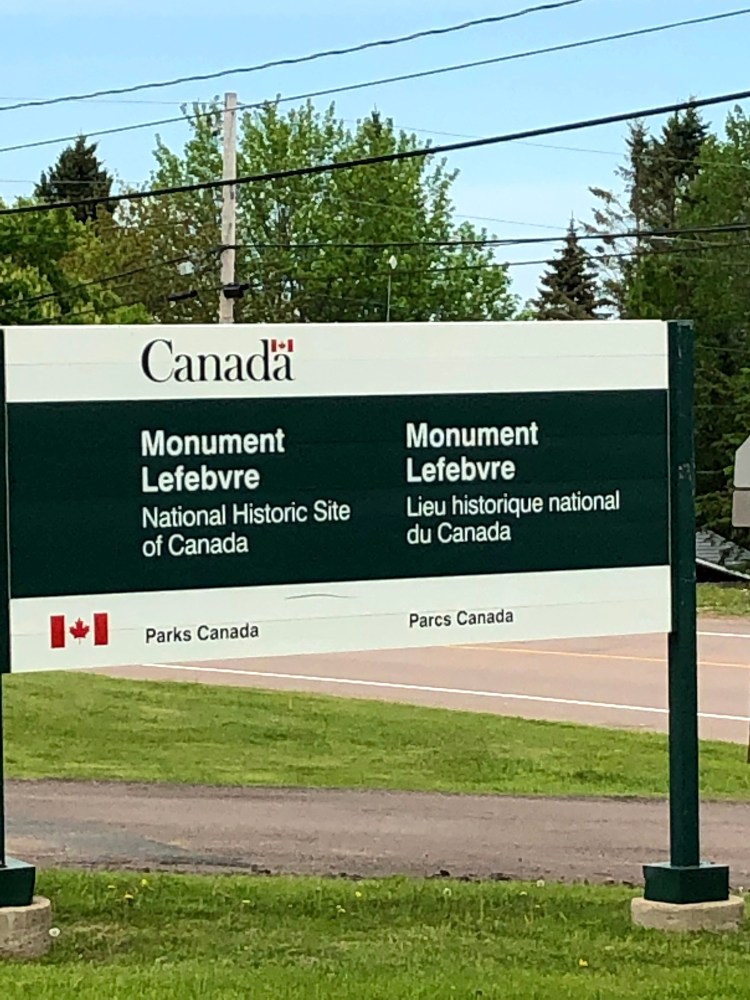
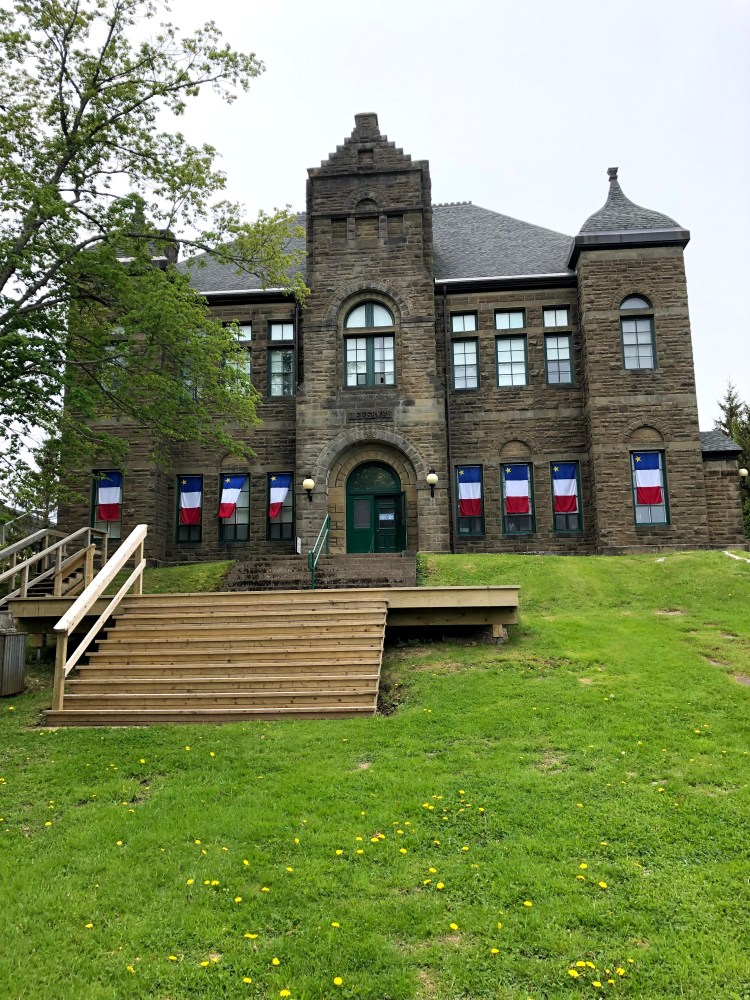
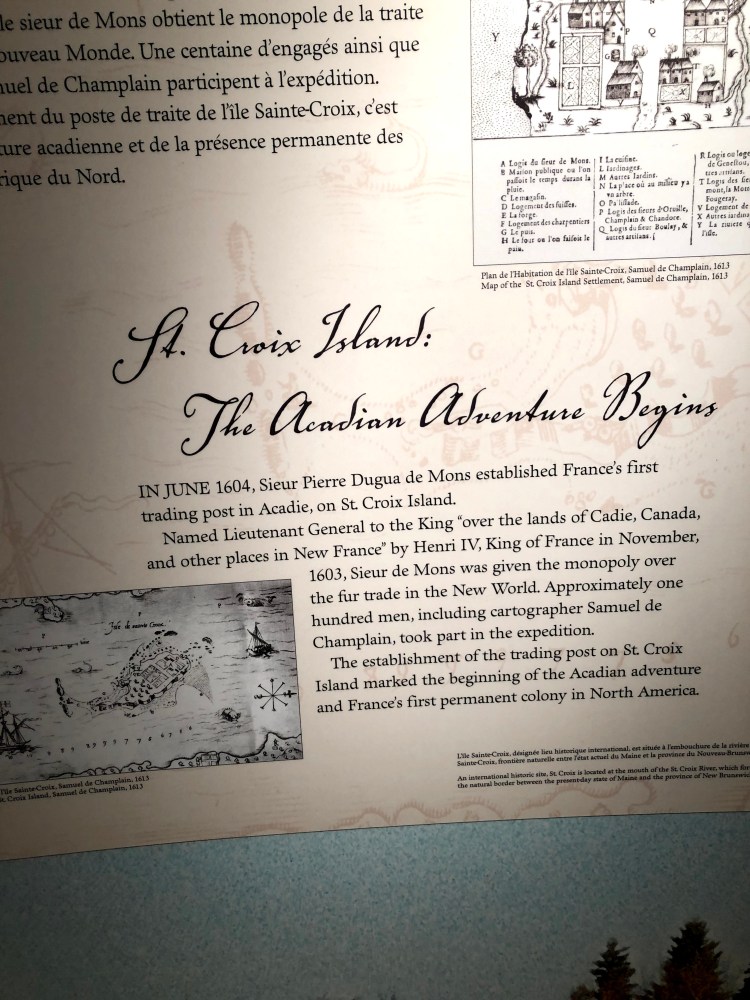
After we said goodbye to Hopewell Rocks (with plenty of daylight left), we decided to drive towards the Acadian Coastal area. Our first stop was the Monument Lefebvre Acadian Museum located in Memramcook. The monument is dedicated to Father Camille Lefebvre who in 1864 started the first French speaking college to offer a full degree in Atlantic Canada. Today the property still houses a college and the museum. After the Acadian deportations in 1755 through 1762, the Acadian people started filtering back to the area and settled along the eastern coast of New Brunswick. There was no place for the French speaking Acadians to obtain an education.

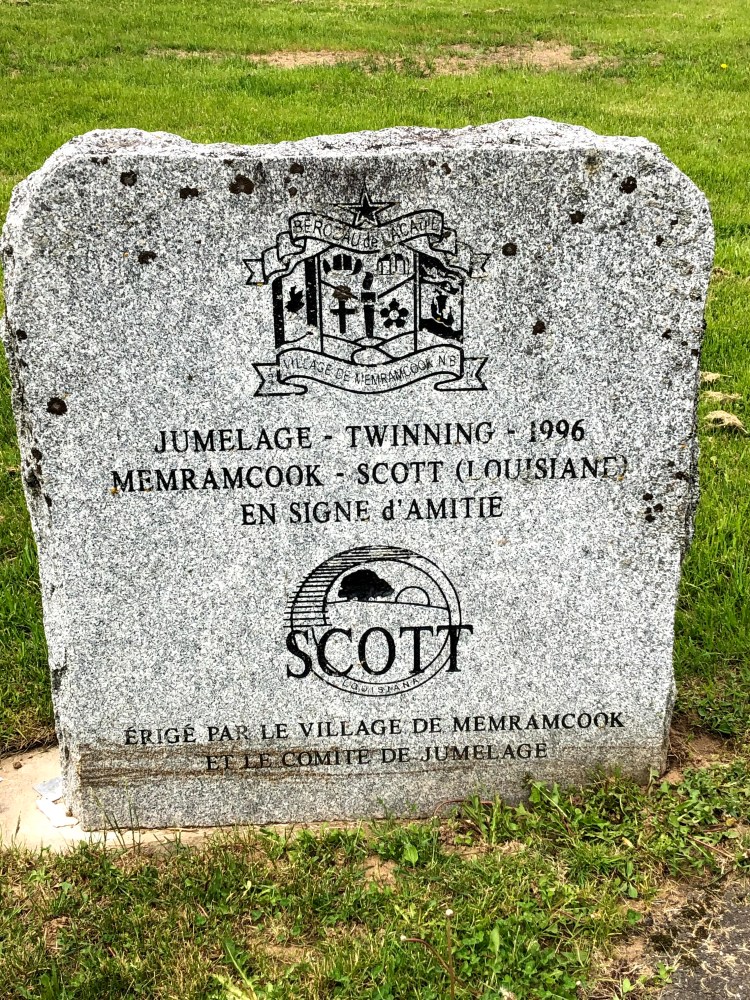
The monument celebrates both Father Camille’s achievements and in 1881 the first “Acadian Convention” which united Acadians  from around the world. Conventions have been held every few years since then on August 15. About 5,000 people attended the very first one, with the number now reaching over 100,000! The museum does a great job describing Acadian life before the expulsion by the British and the Acadian renaissance since the 1850’s.  Before the British booted the French out of the area the land was called Acadia.  Thus people from there were called Acadians. This is where the term Cajuns came from, for our friends in Louisiana!  After the expulsion, the name changed to Nova Scotia or New Scotland. We did find out that Scott, Louisiana is a sister city to Memramcook where the Monument is located.

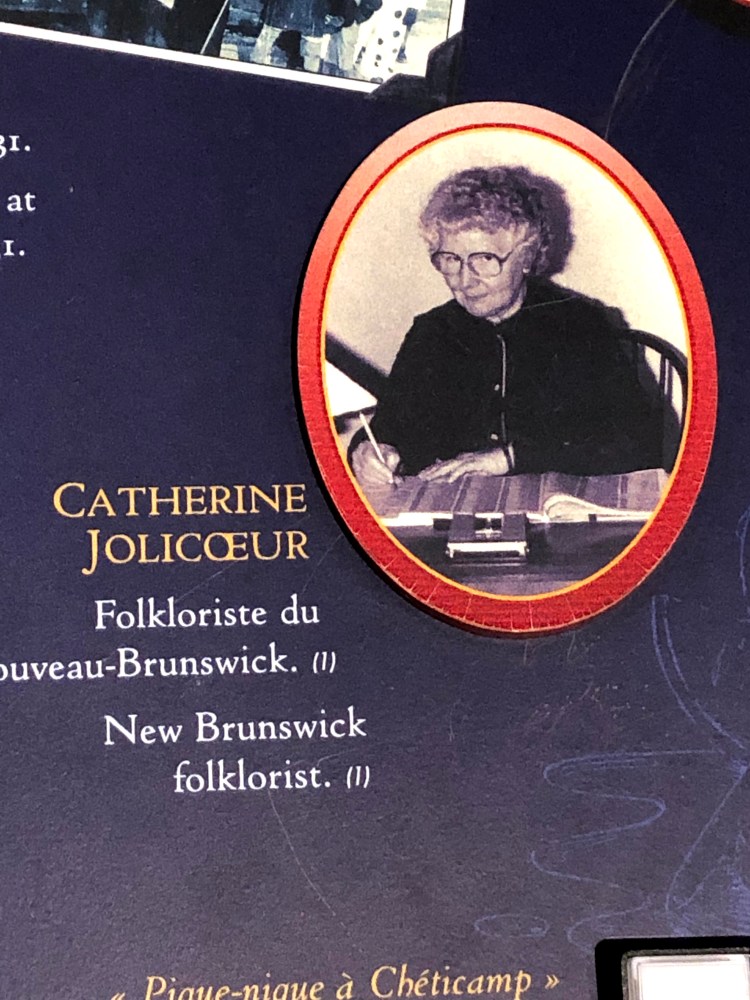
As an aside I might be part Acadian, My uncles last name was Jolicoeur.  I could be related to Catherine in the photo below.

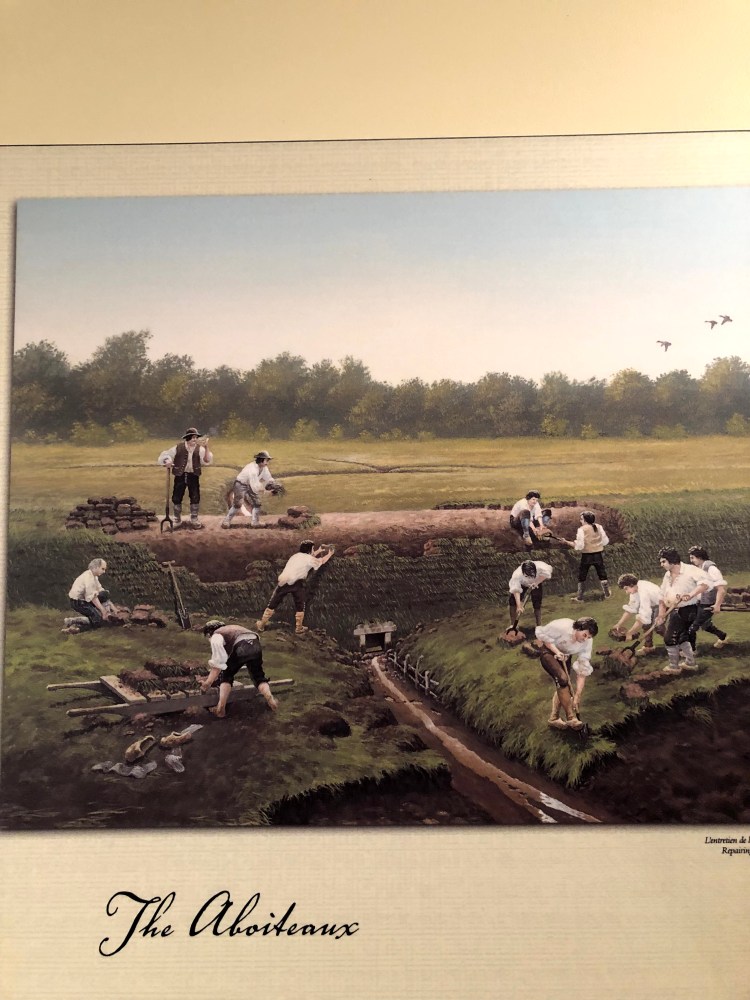
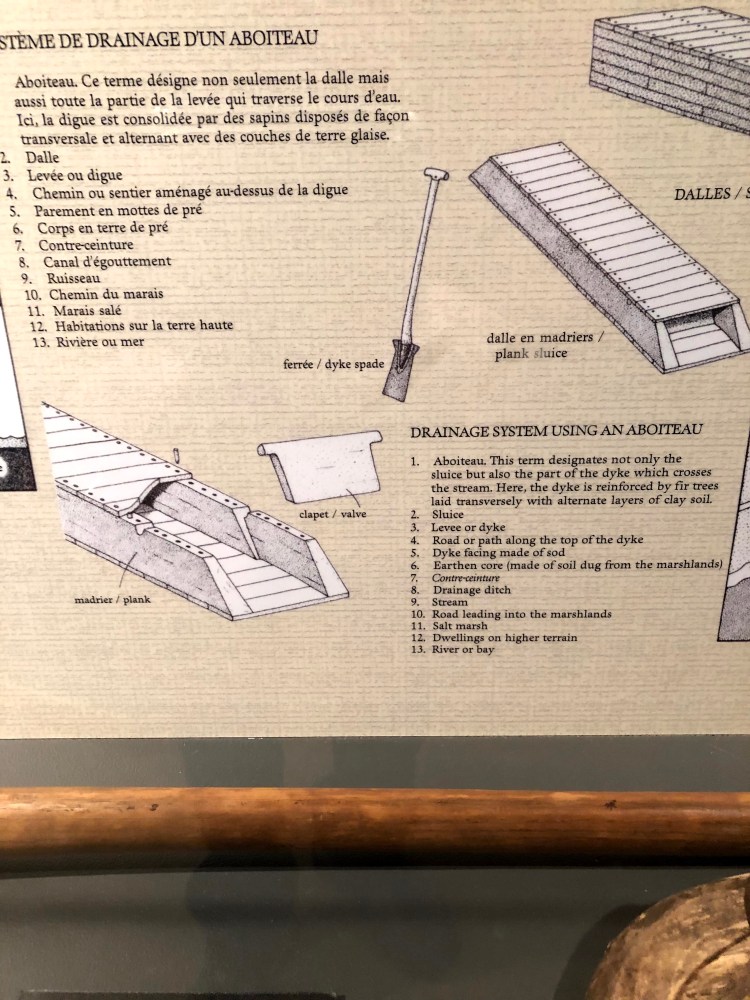
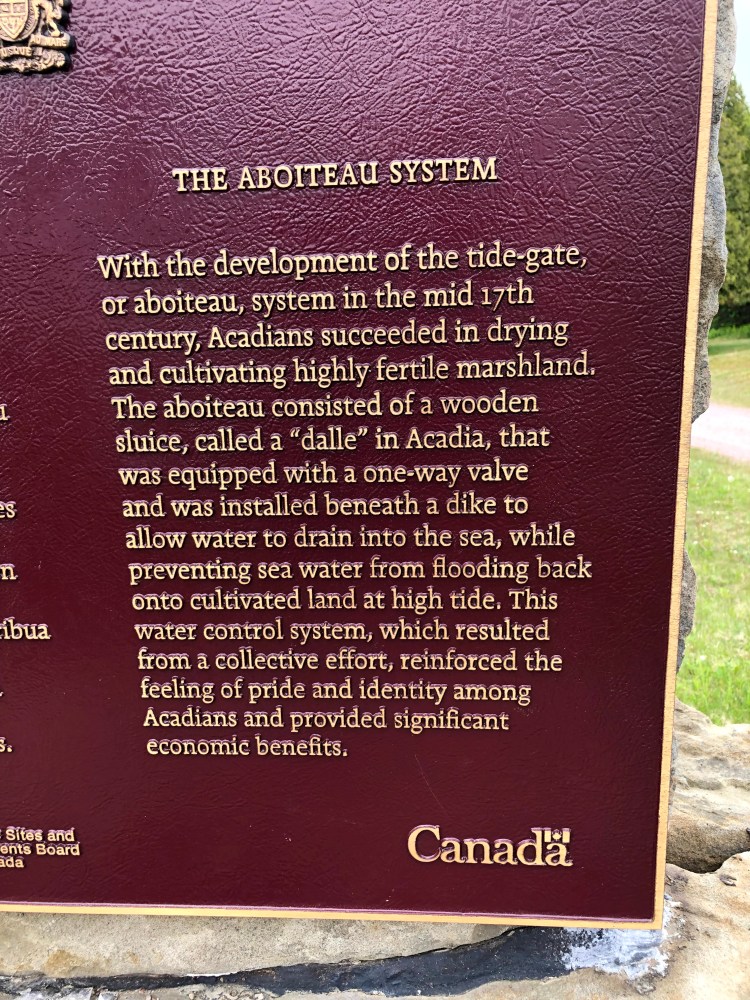
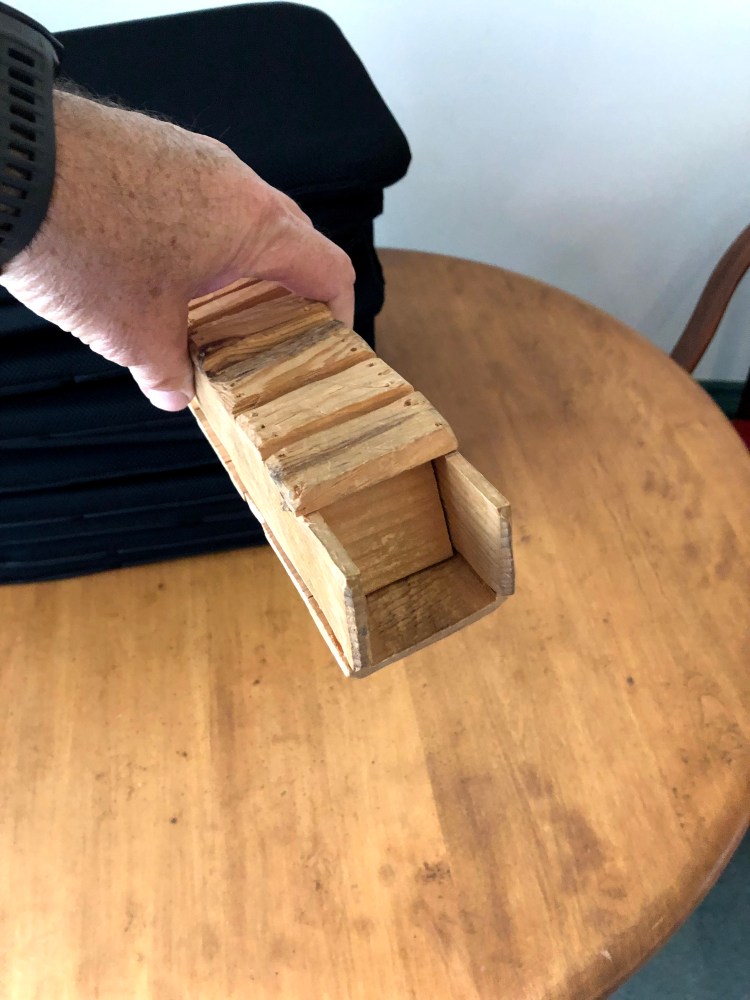
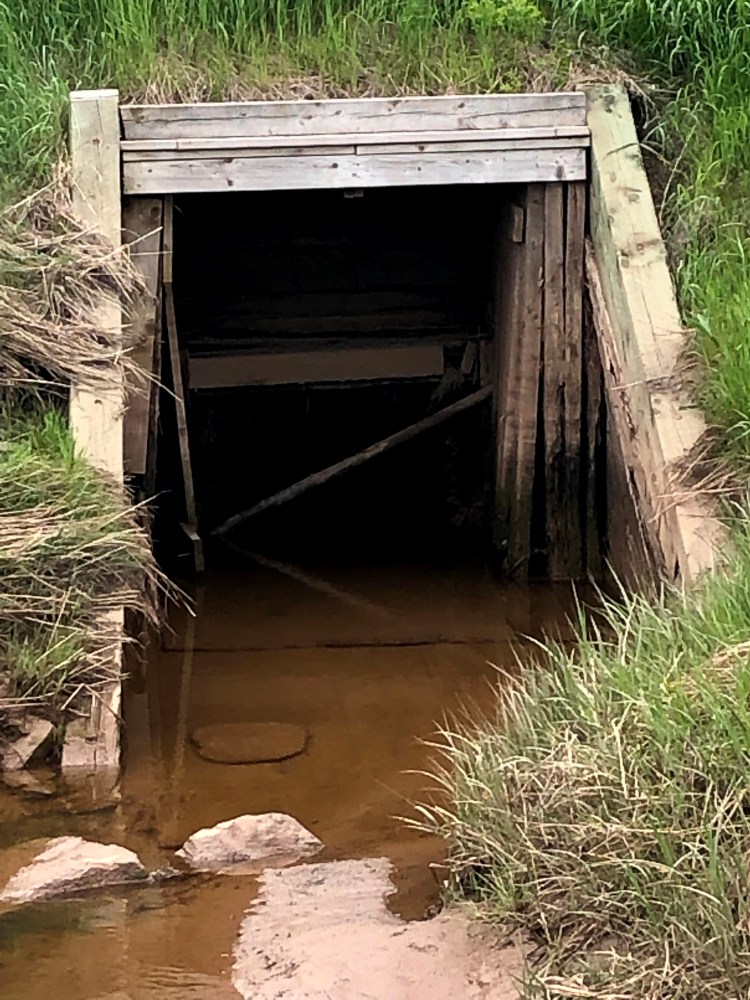
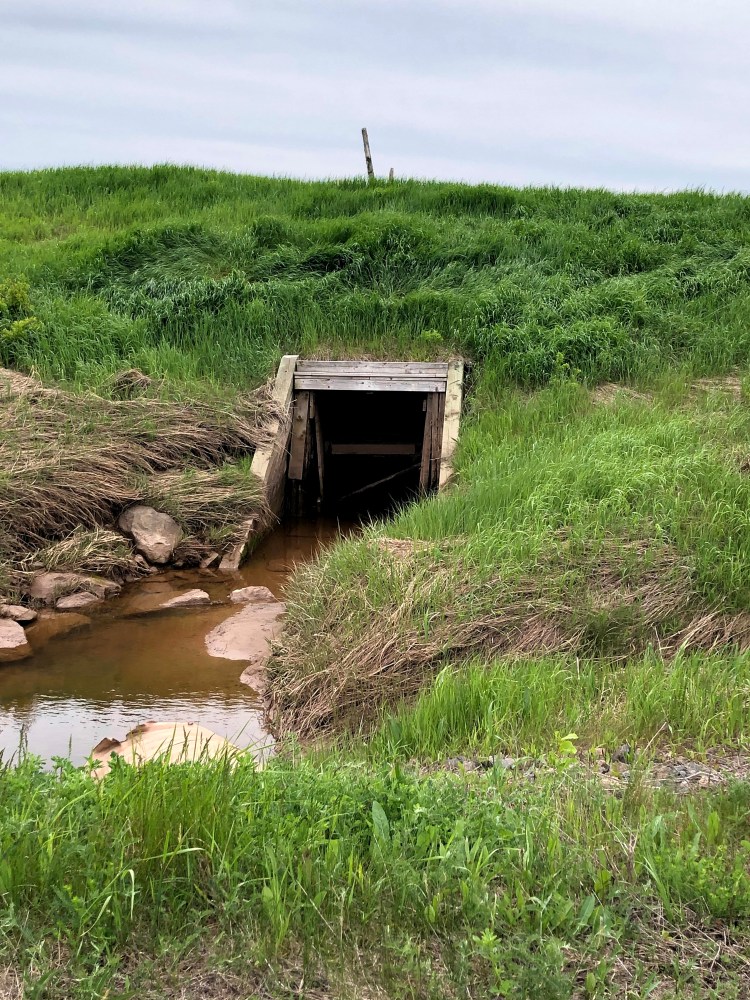
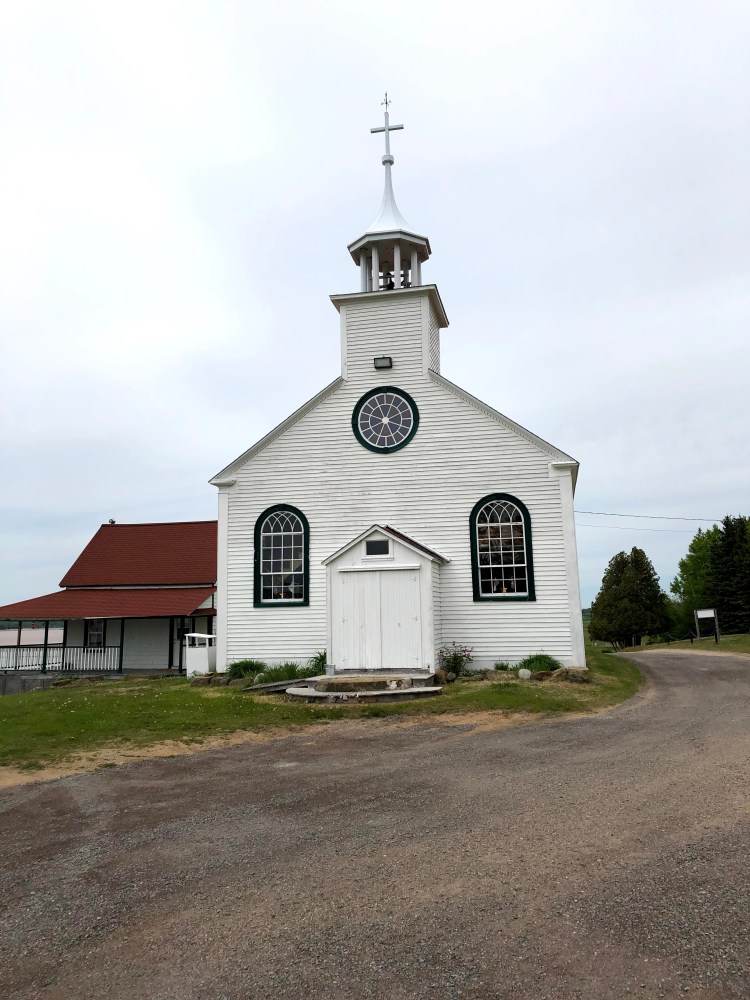
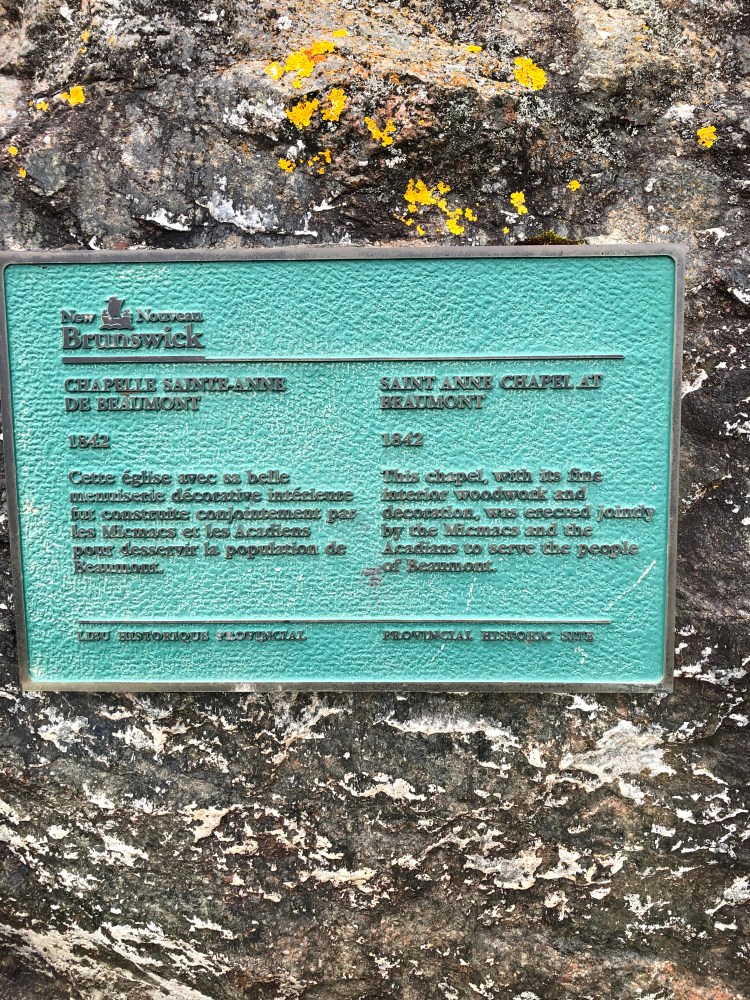
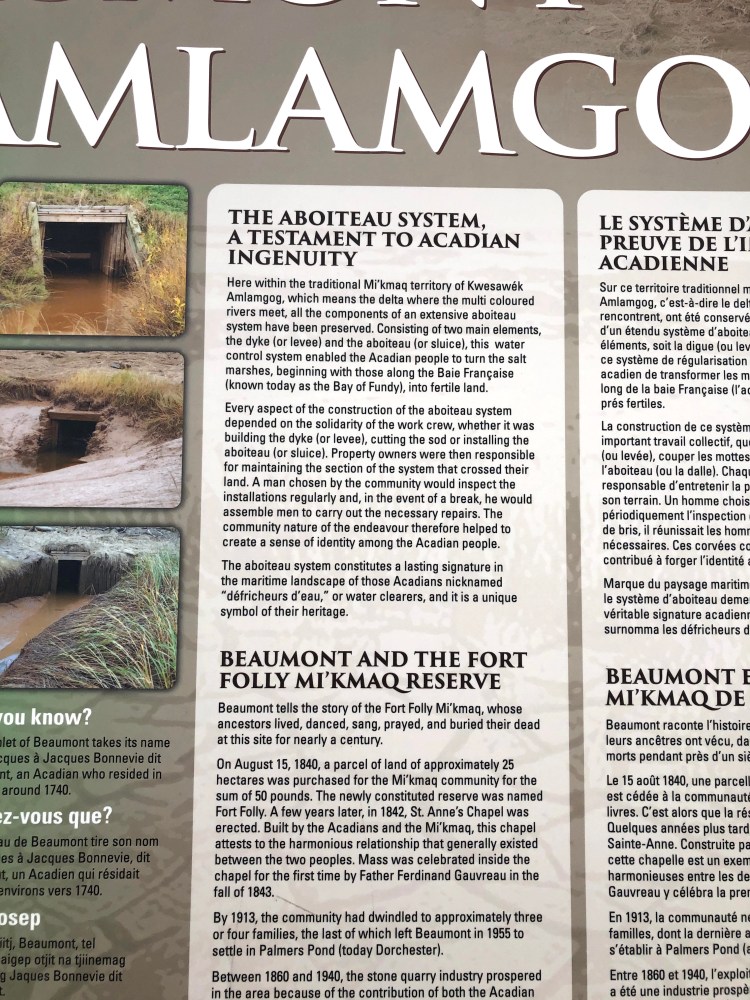
From Memramcook we drove over to St Anne’s church which overlooked the Petitcodiac river.  On the way we saw two of the wooden tide gates or aboiteaux that the Acadians used to drain the salt marshes to reclaim the land.

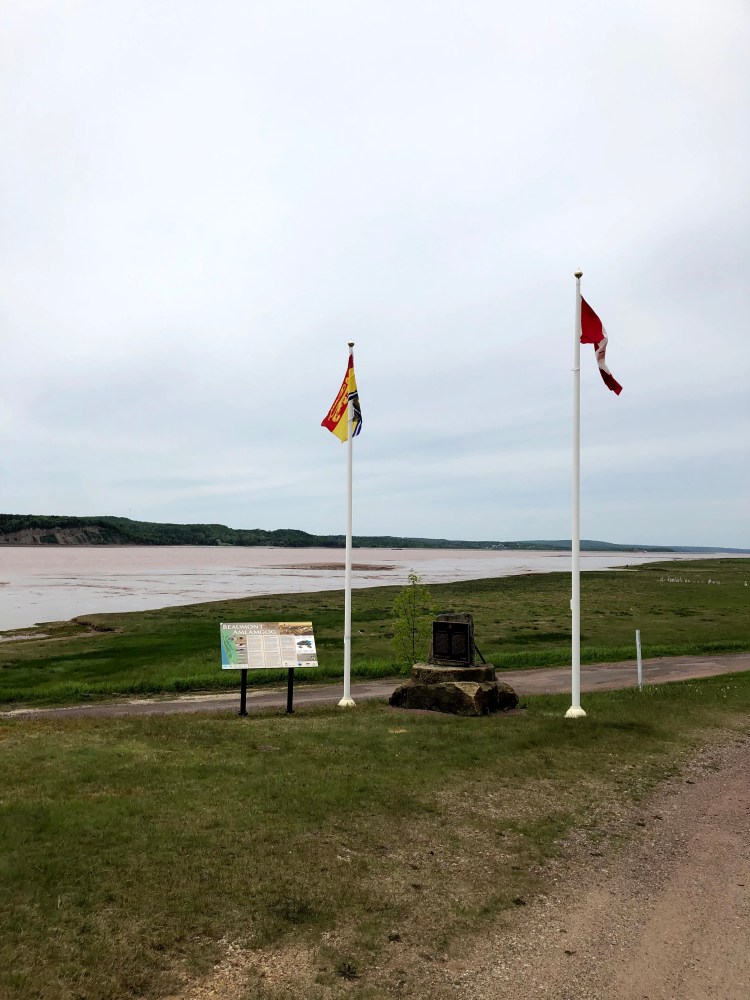
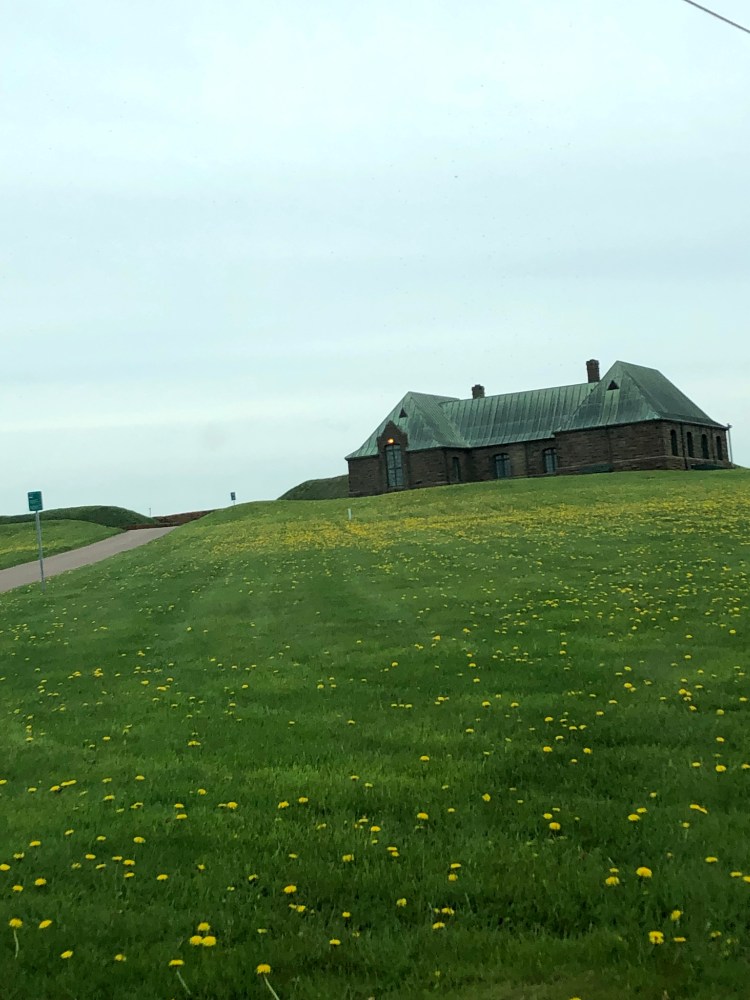
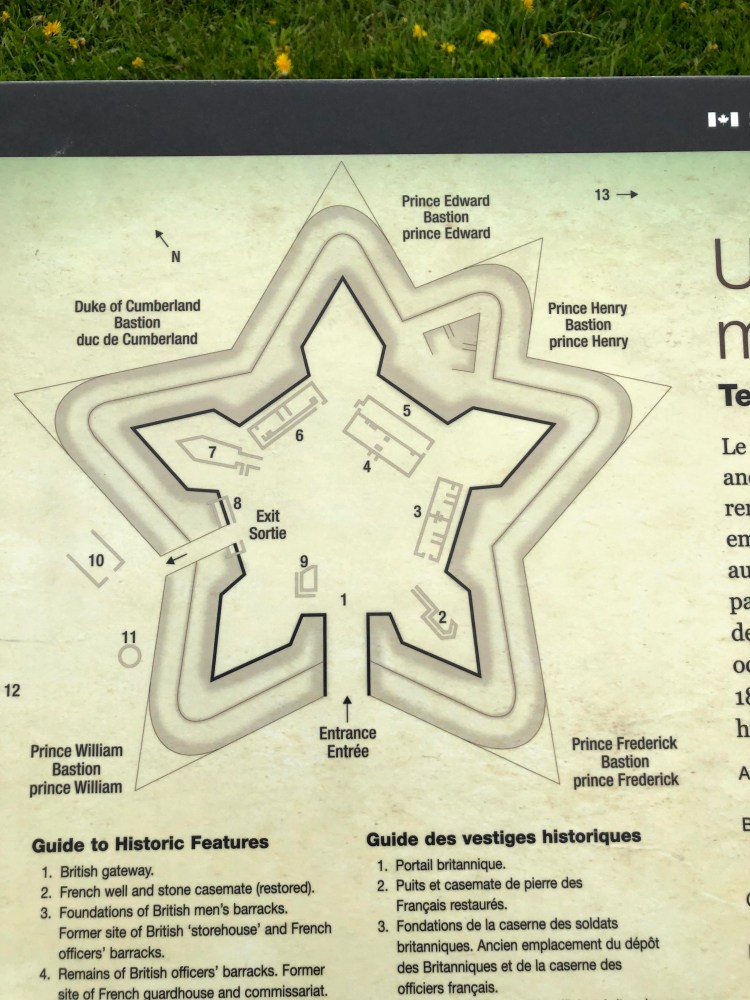
From there we drove to Aulac to view the French built Fort Beausejour, renamed Fort Cumberland by the British.

img_4544img_6201-1img_6197img_6200img_4567-1img_6148-1img_4555-1img_4554img_4565img_6161img_6156img_6190img_4556img_4559img_4582-1img_4562img_4584img_6214-1img_4587-1img_4588img_6211-1/


Hopewell Rocks High Tide June 13

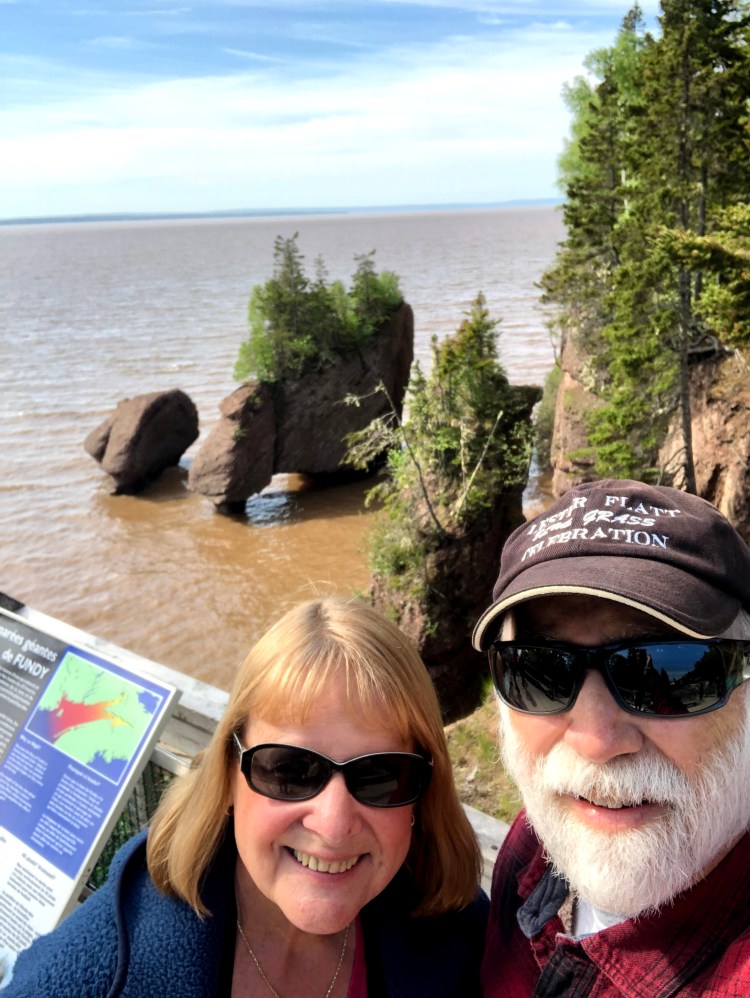
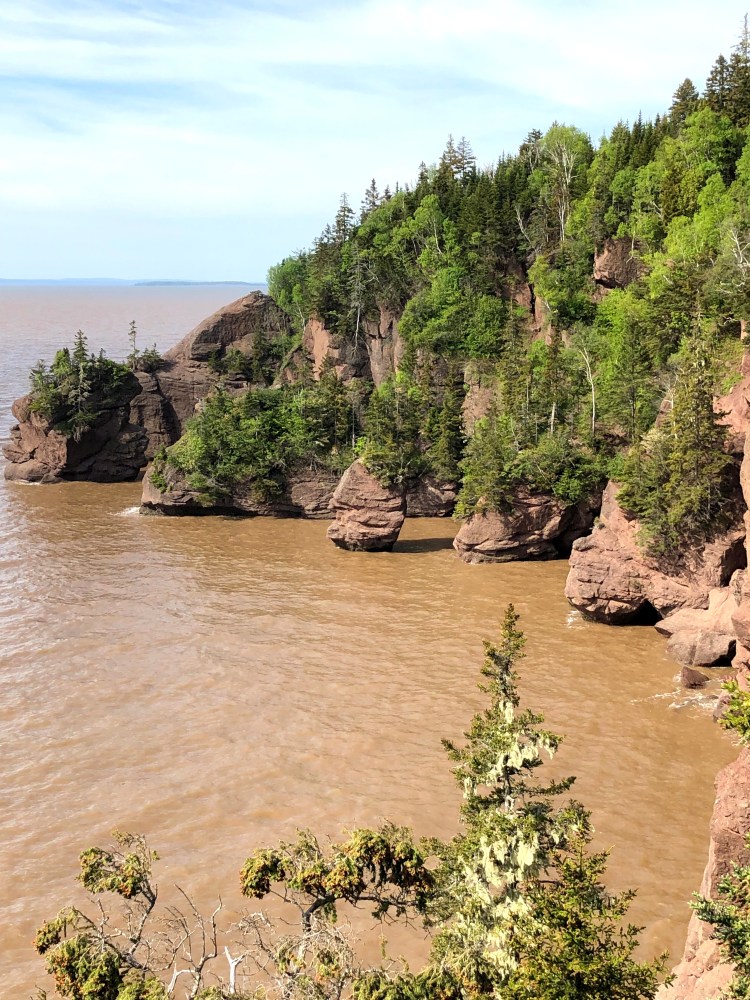
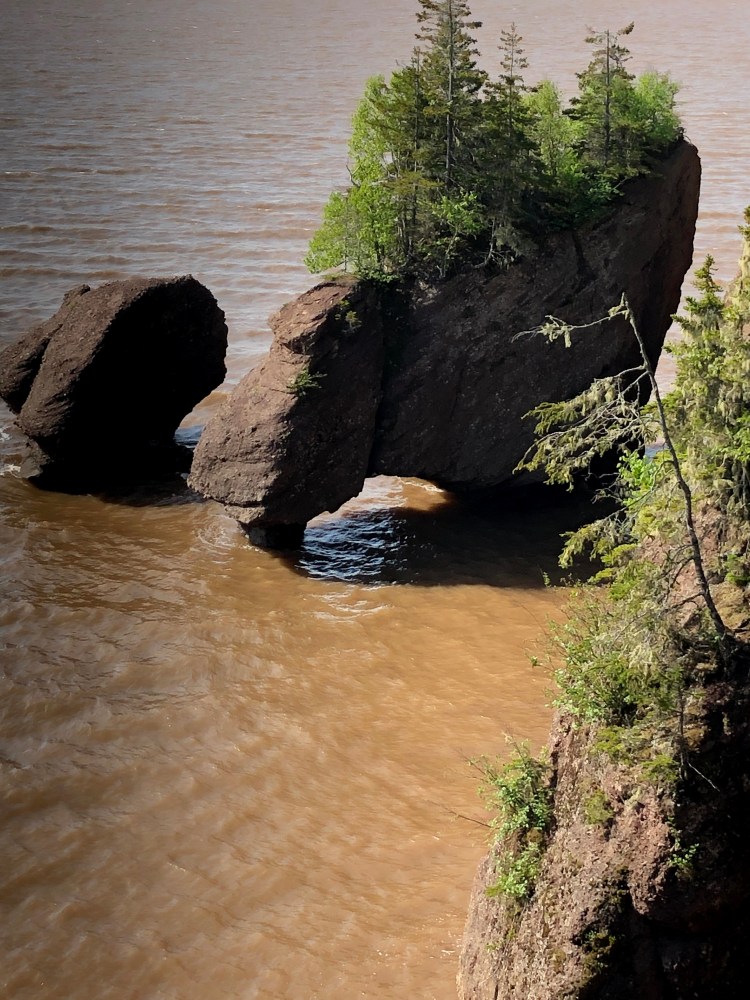
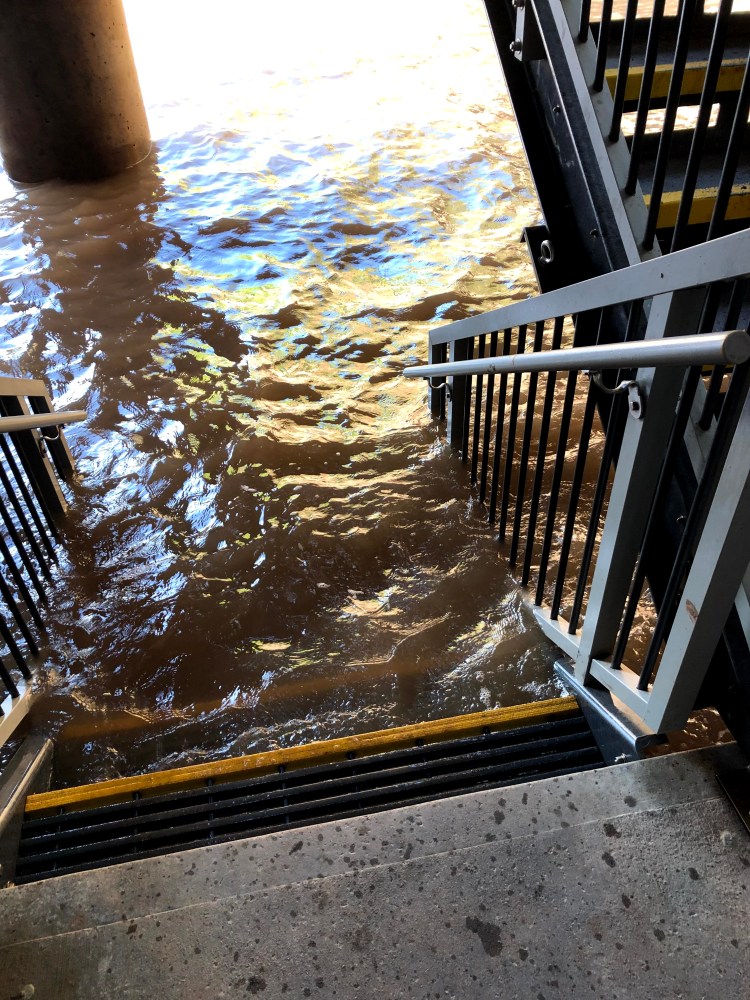
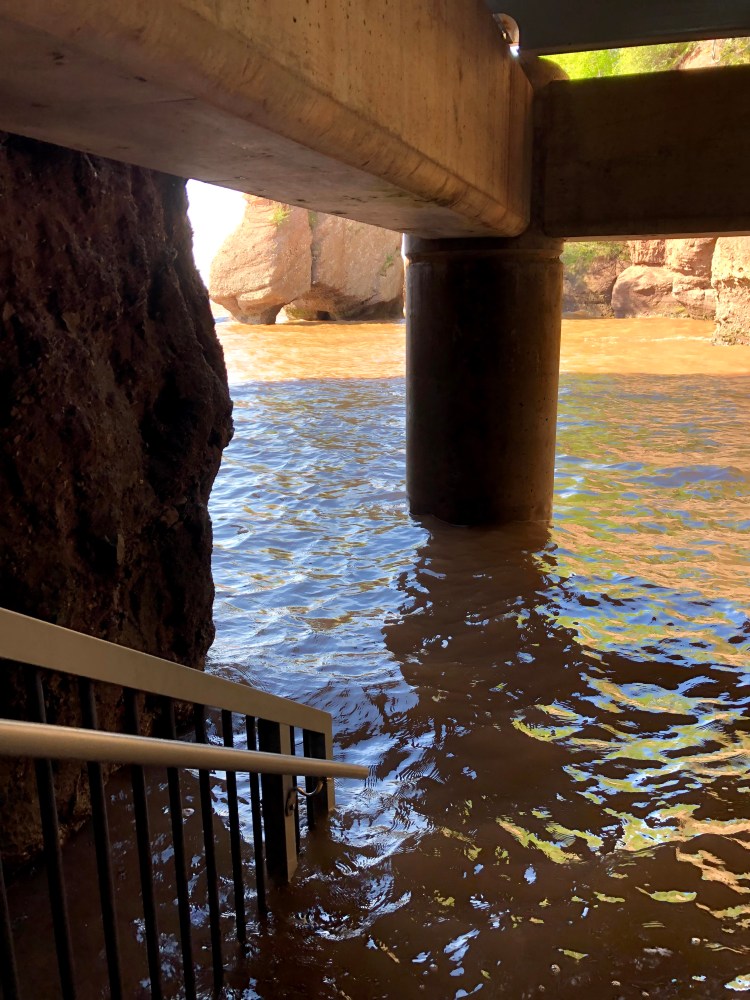
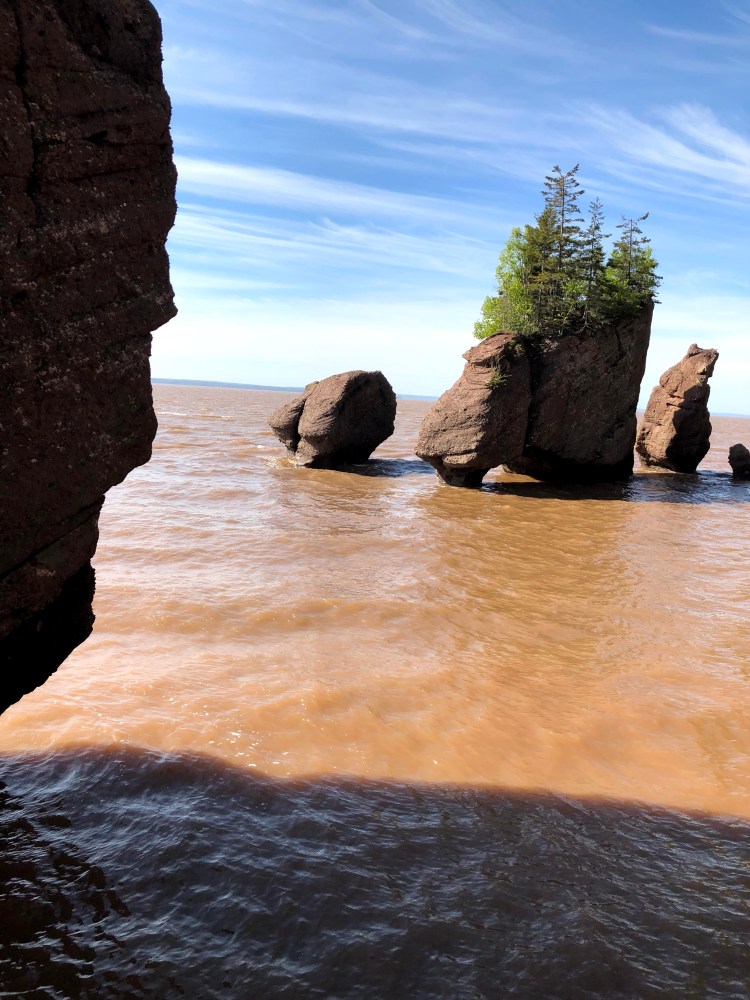
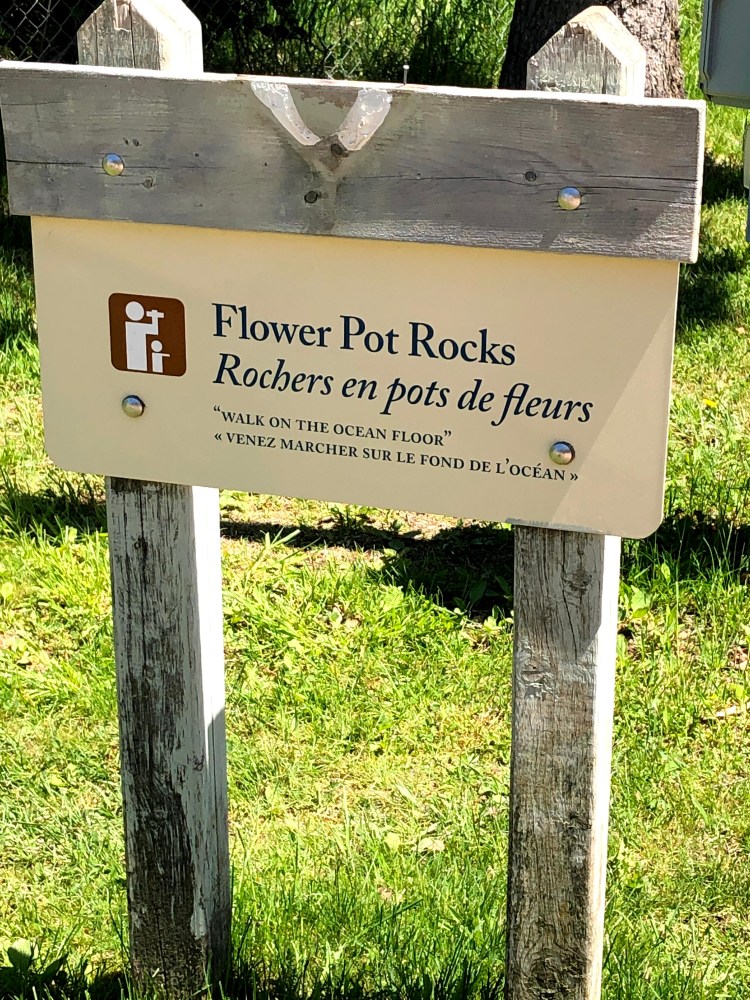
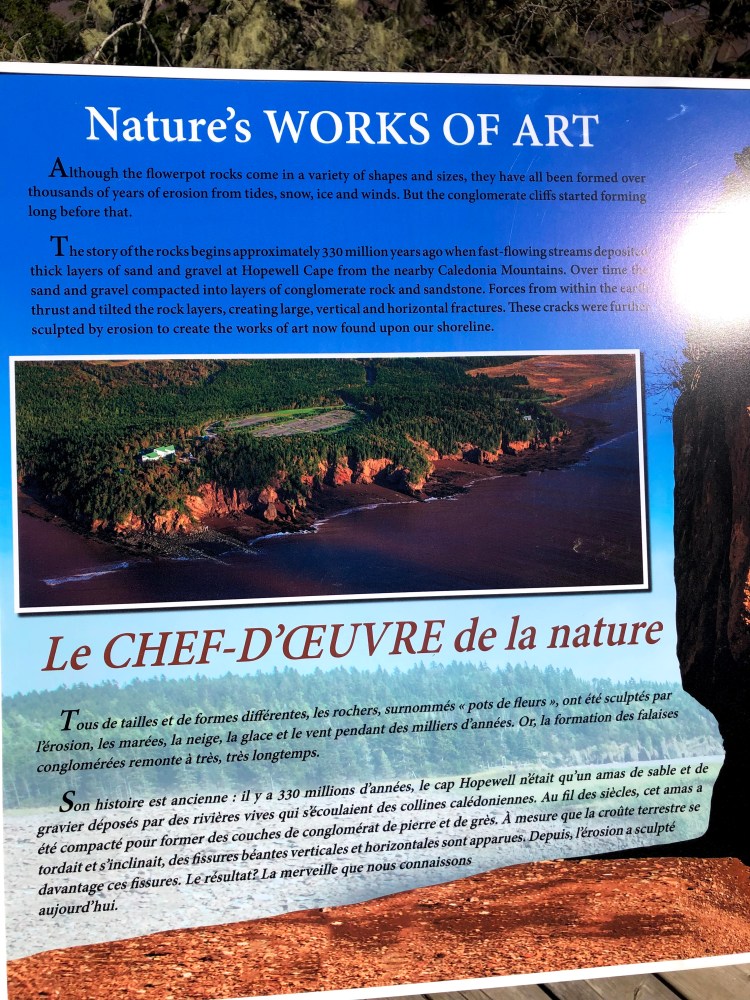
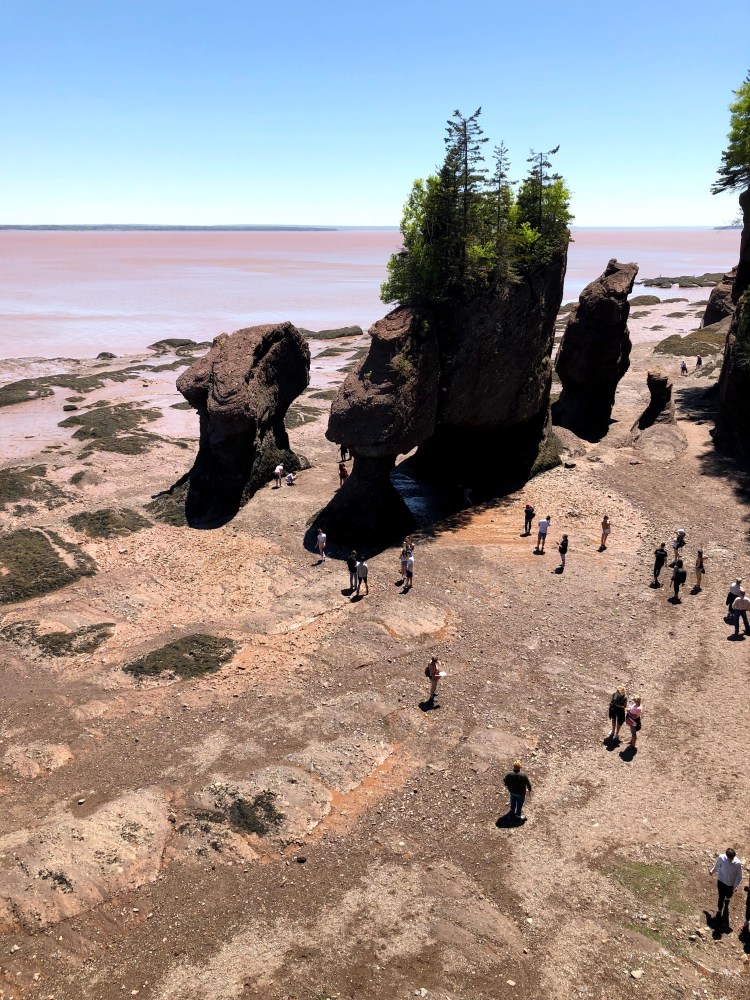
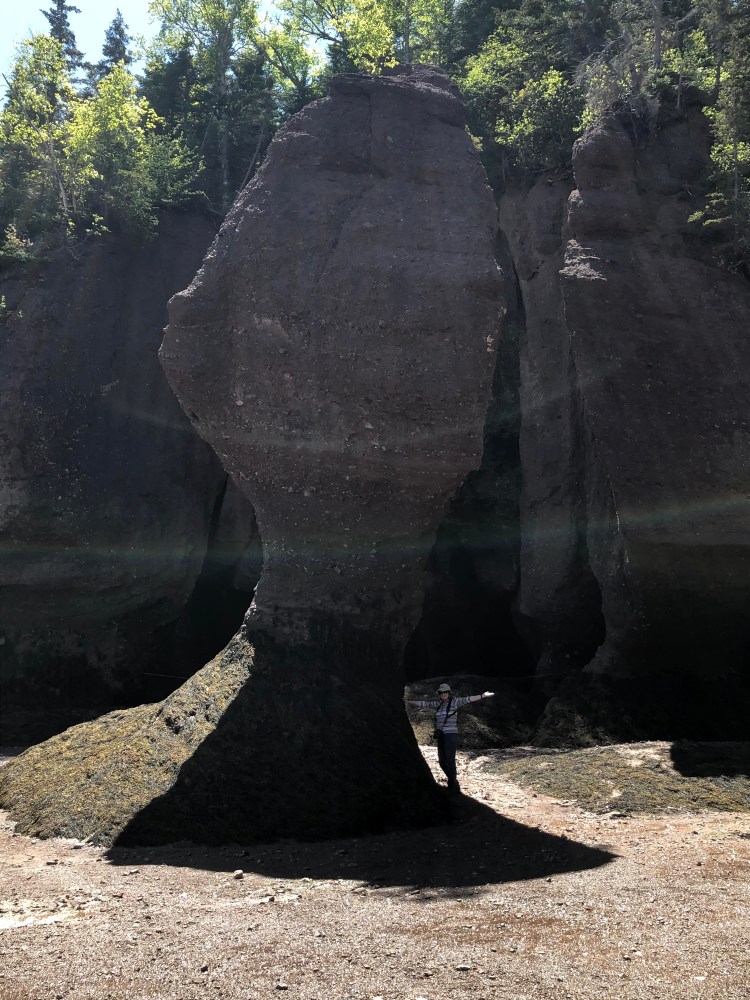
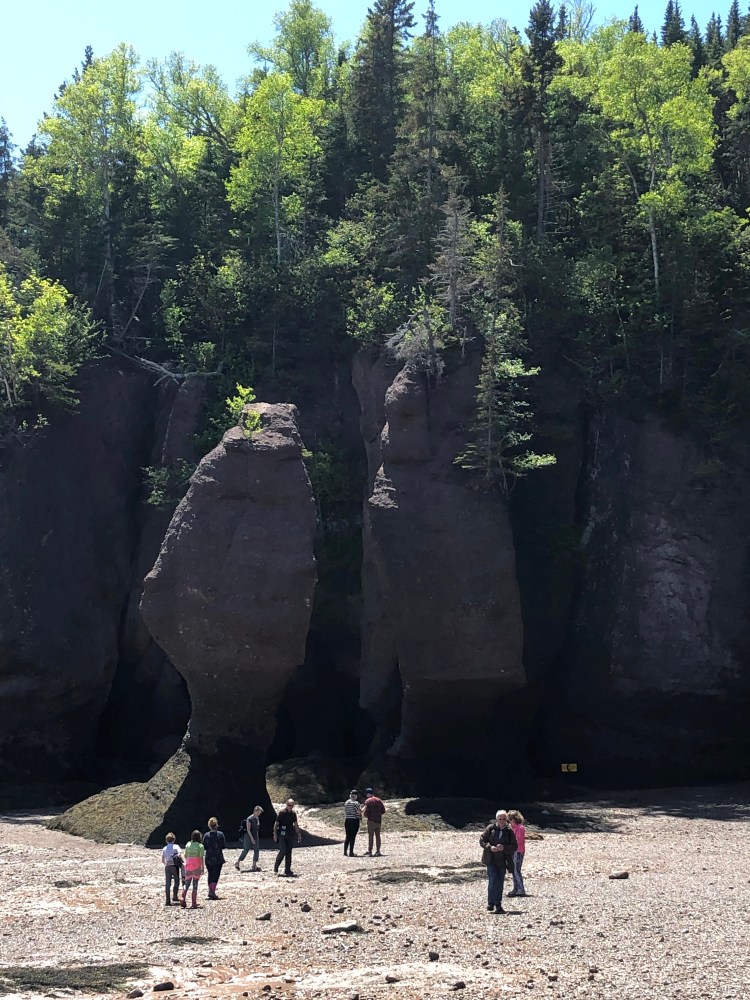
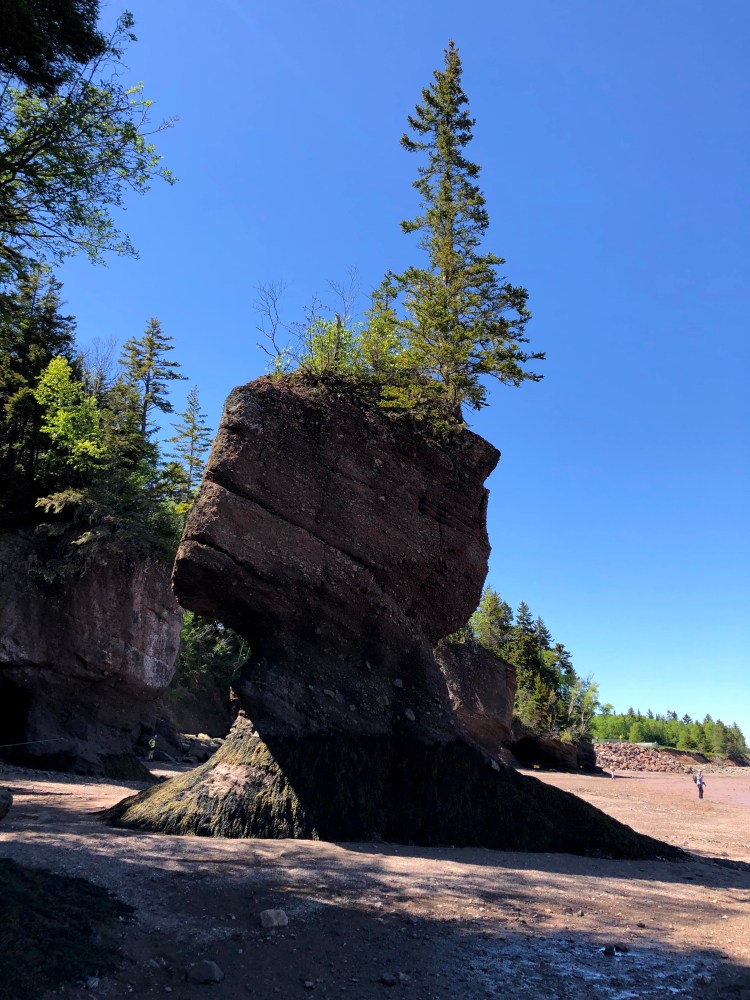
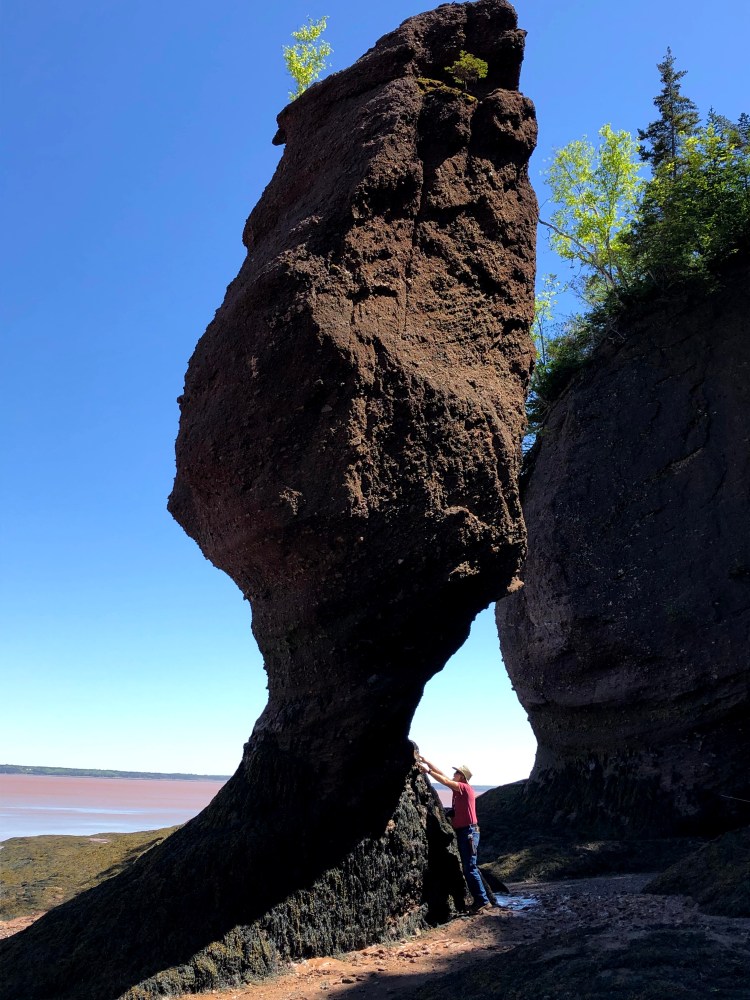
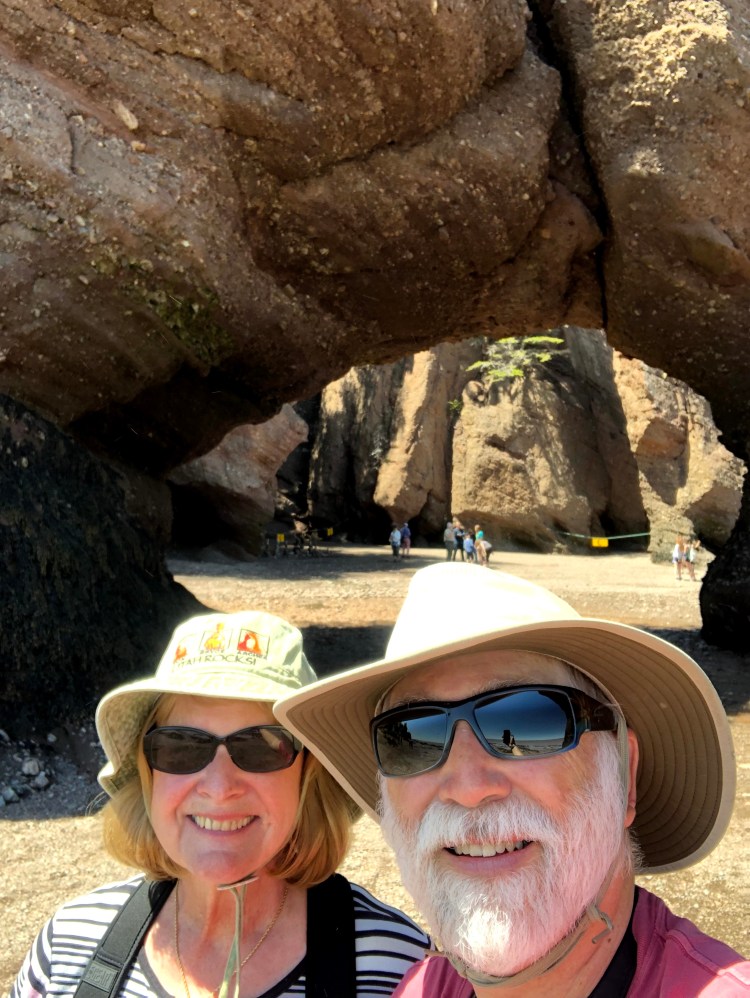
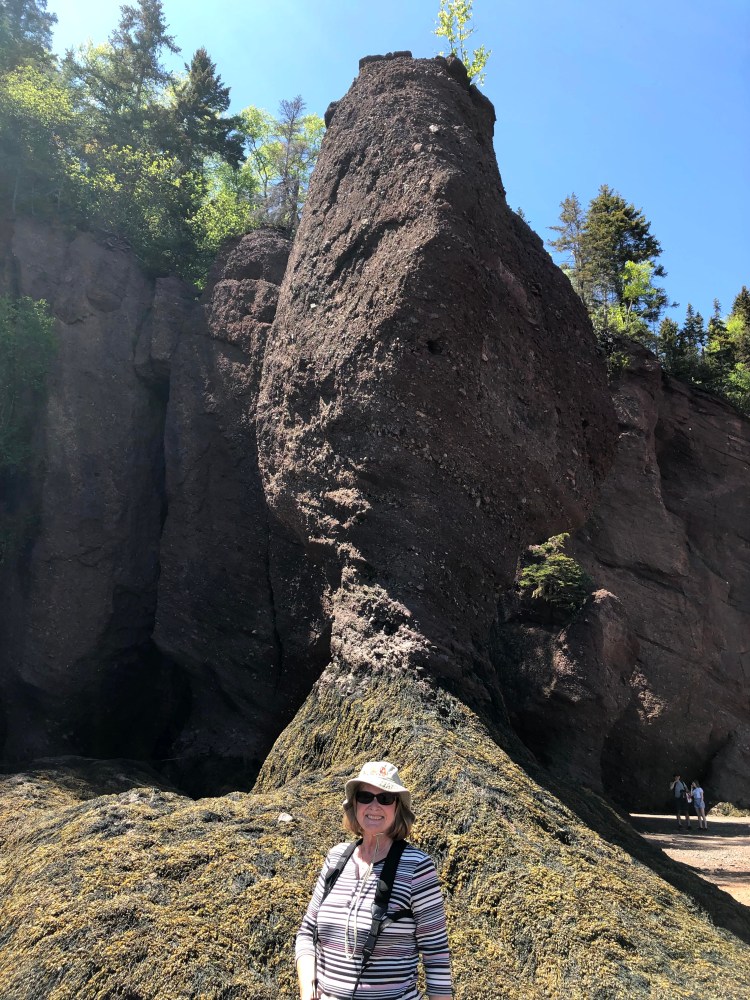
After getting up way too early we hurried to Hopewell Rocks to catch the view at high tide.  When we arrived the bottom steps of the four story structure were covered with water and closed off.  The large arch rock had water under the arch 13 feet deep.  Had it not been so windy we would have seen Kayakers paddling through the arch.  As it was we were bundled up against the cold and wind watching the tide roll in.

img_6142img_6143img_6127img_6133img_6135img_6138

Moncton Tidal Bore June 12

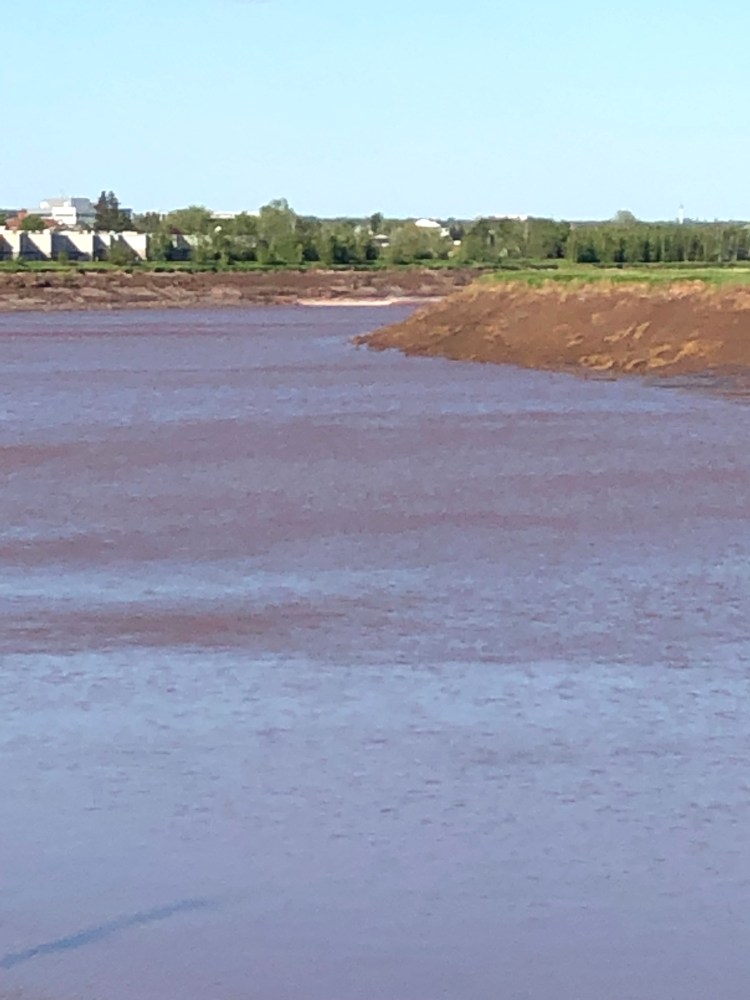
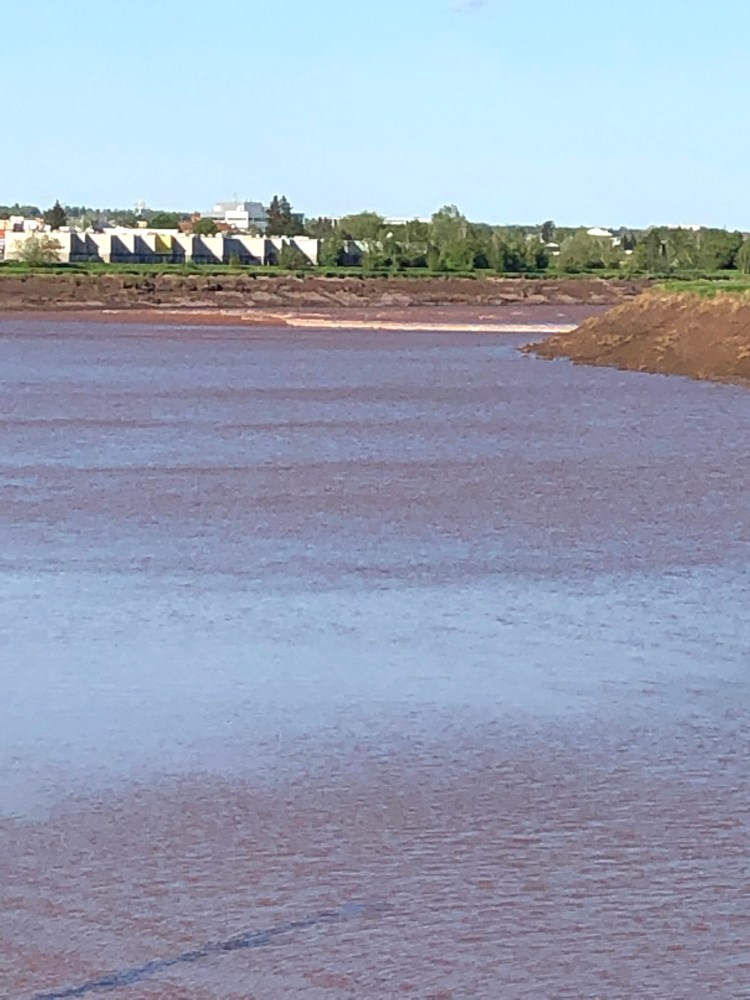
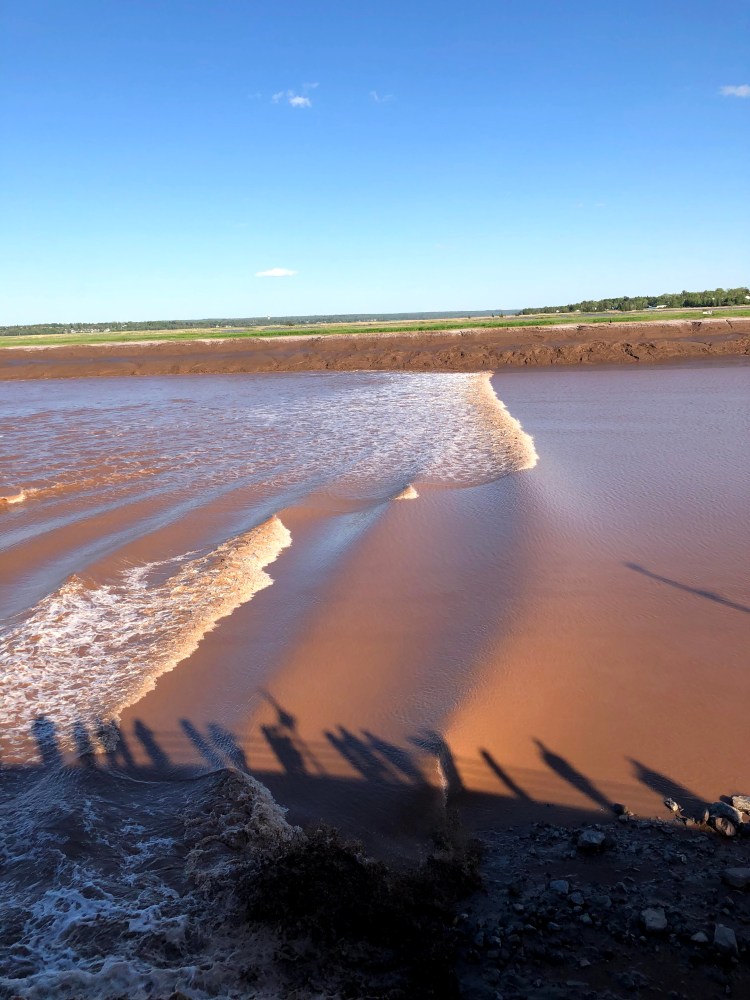
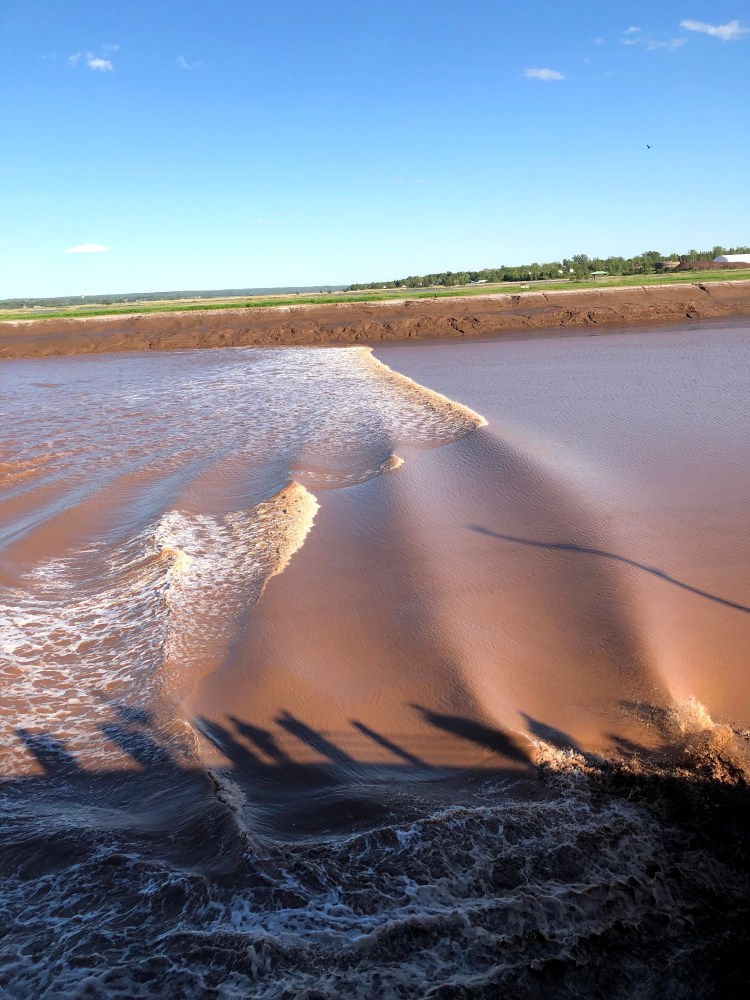
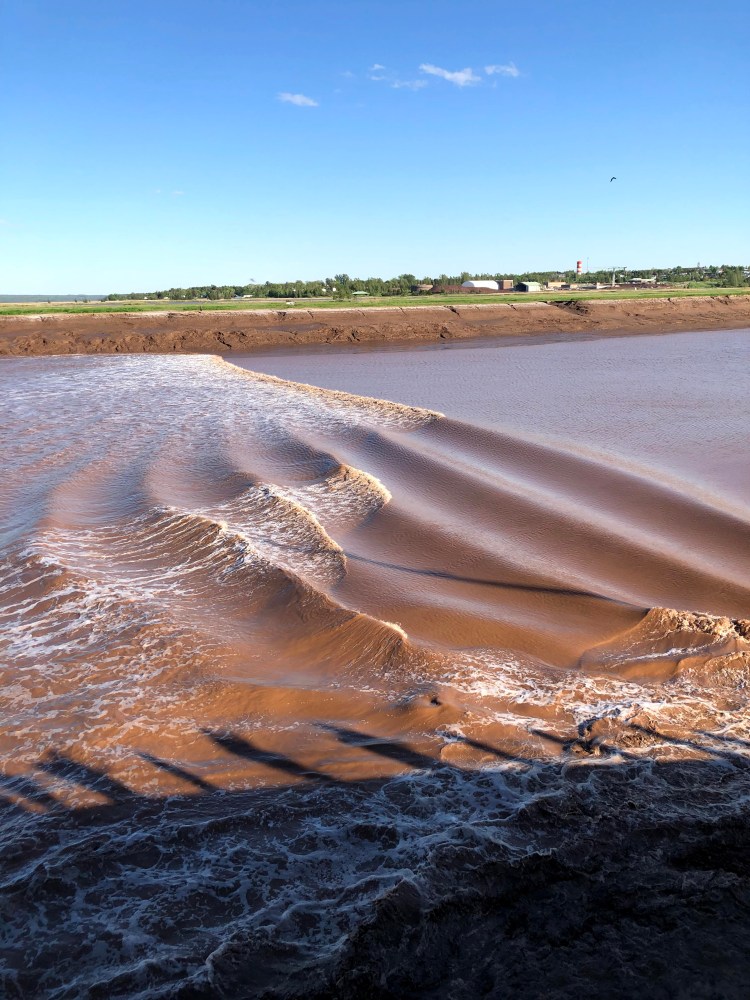
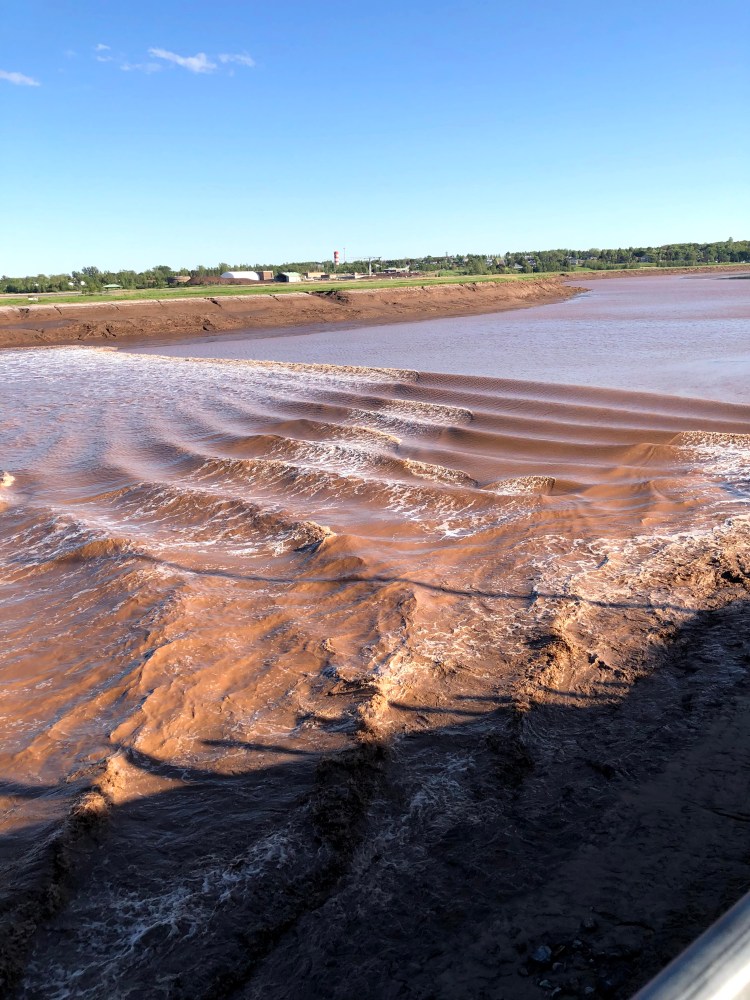
What is a tidal bore?  It’s a wave of water caused by the funneling of a flood tide as it enters a long, narrow shallow inlet.  Moncton has such an inlet and twice a day a tidal bore occurs.  we left Hopewell Rocks at low tide and made it back to Moncton to view the tidal bore.  We stopped at the city info center to get low down and to watch the tidal bore whoosh in.  It was very cool. To think that the tide change as far away as the Indian Ocean caused the phenomenon that we witnessed was just amazing.

img_4522img_4524img_4529img_4530img_4531img_4533


City of Saint John (June 11)

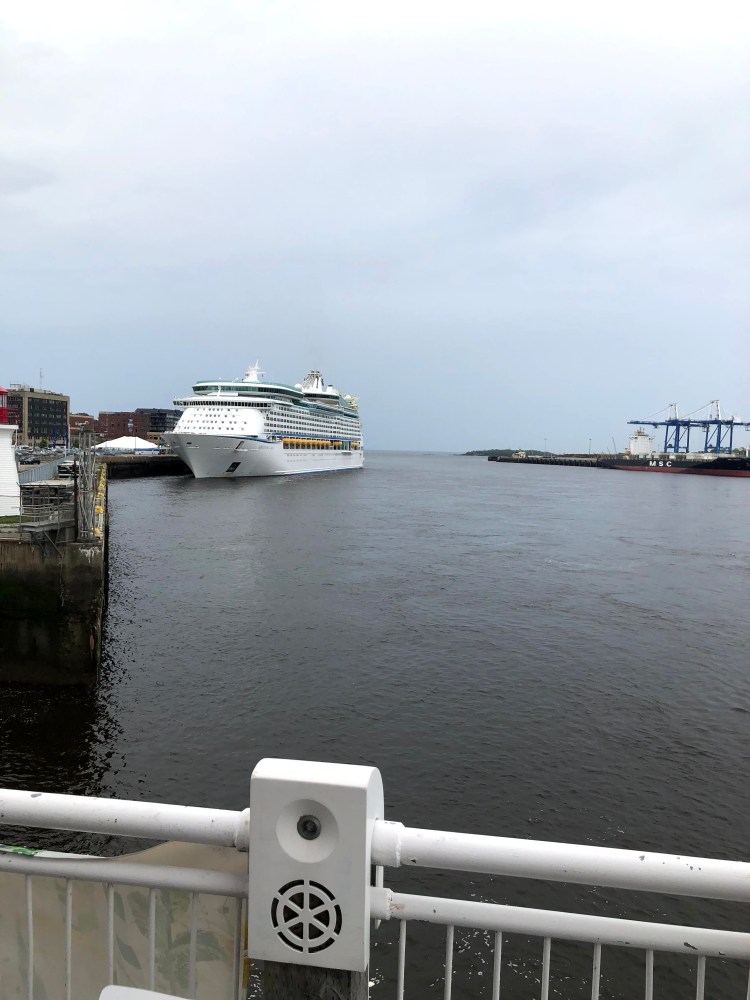
Saint John is the oldest legal city in Canada. It was incorporated as a city by the “Loyalists” in 1785. The Loyalists were people that were loyal to the British Crown and fled America before and after the the American Revolutionary War. The city is fairly industrialized and is an important sea port destination. While we were there two cruise ships were in port.
‘On of the highlights of the city is the City Market. The City Market is the oldest continuously operating market in Canada. The Market was full of farm vendors, fresh meats, seafood, restaurants, and artisans.  The building itself was unique, being designed to look like the inside of a ship.
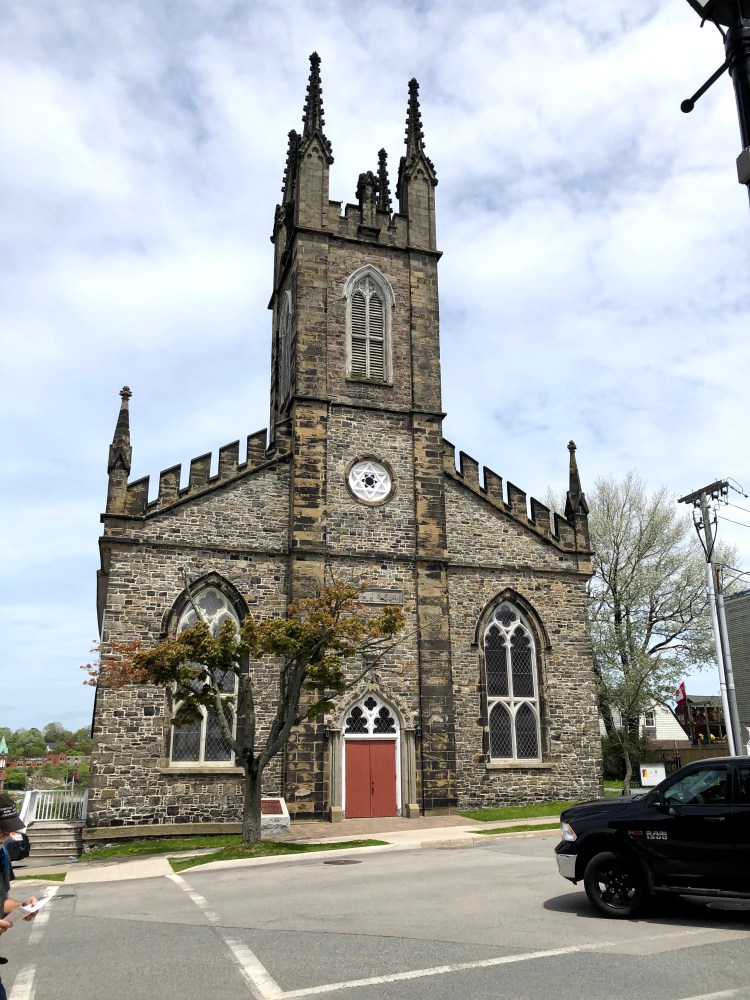
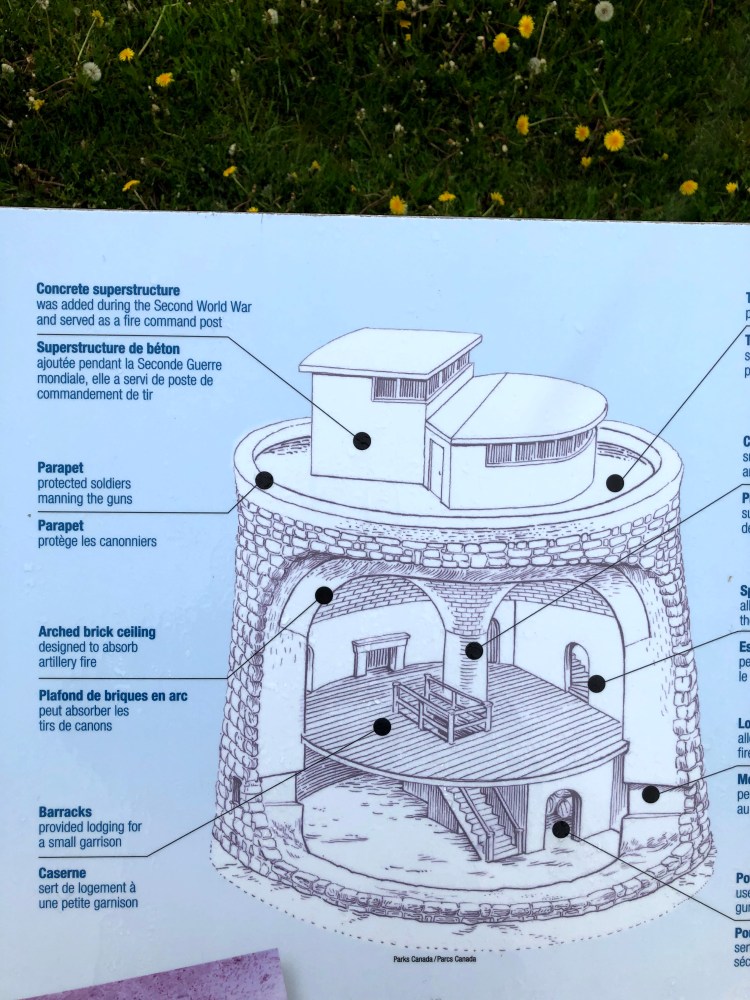
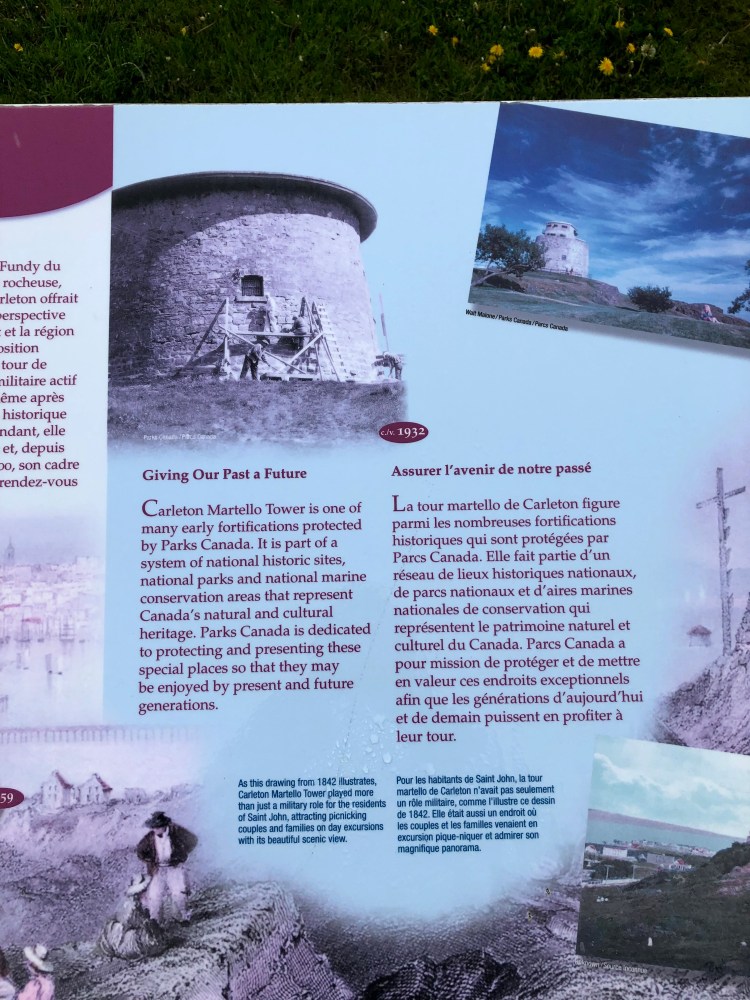
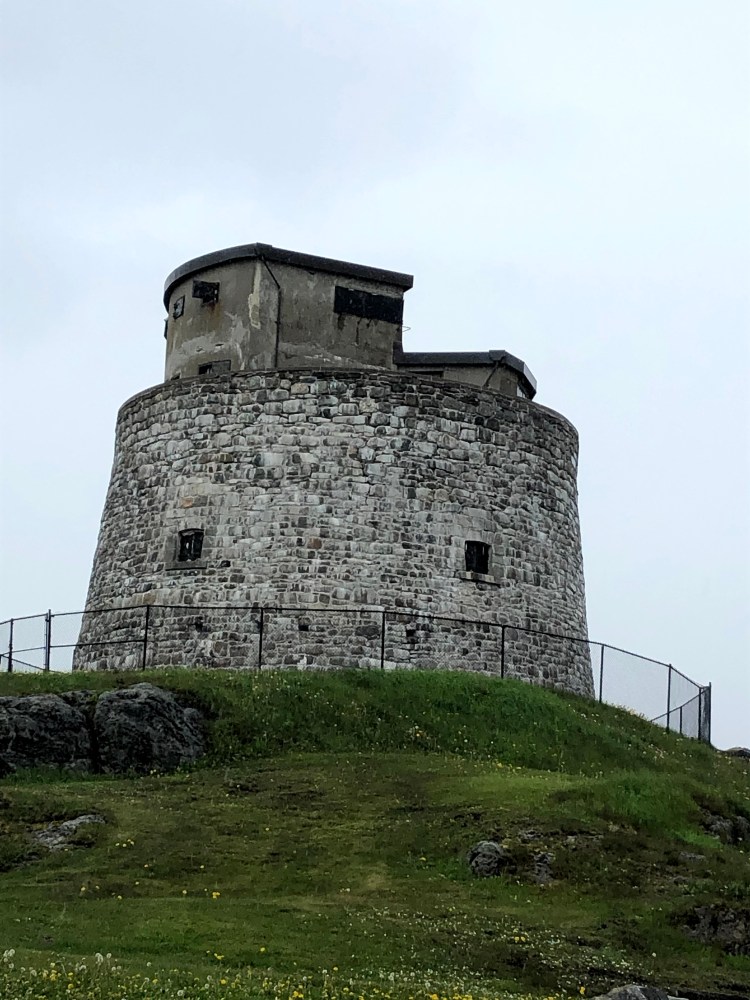
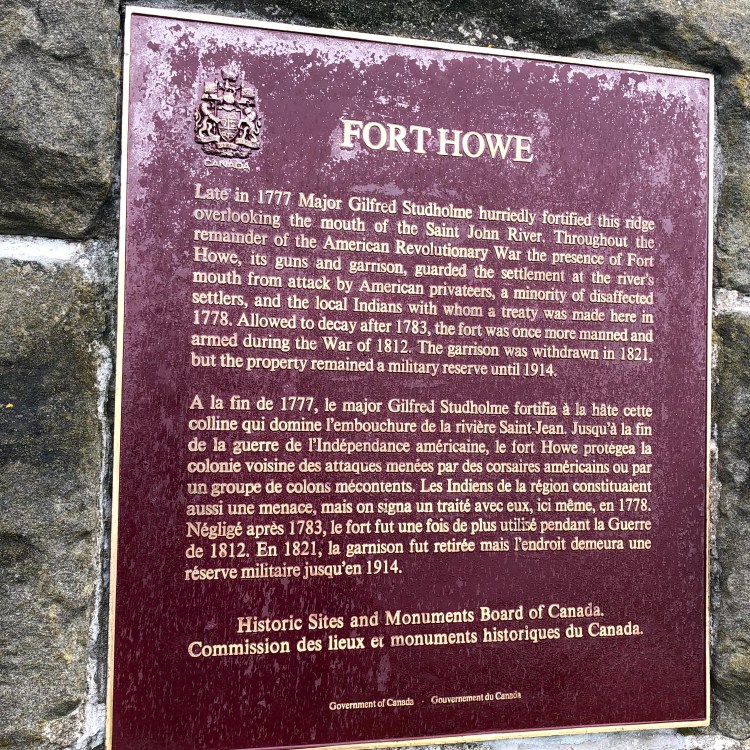
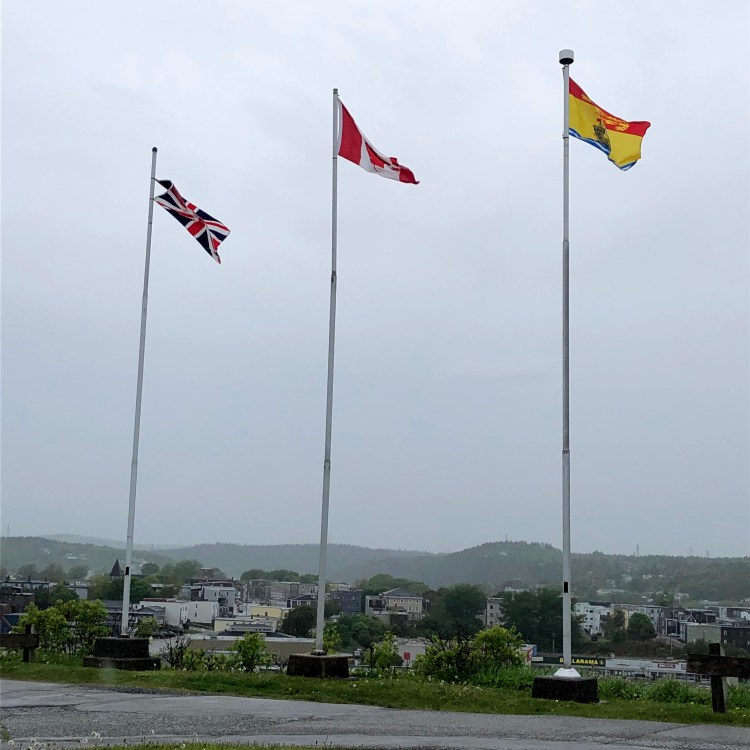
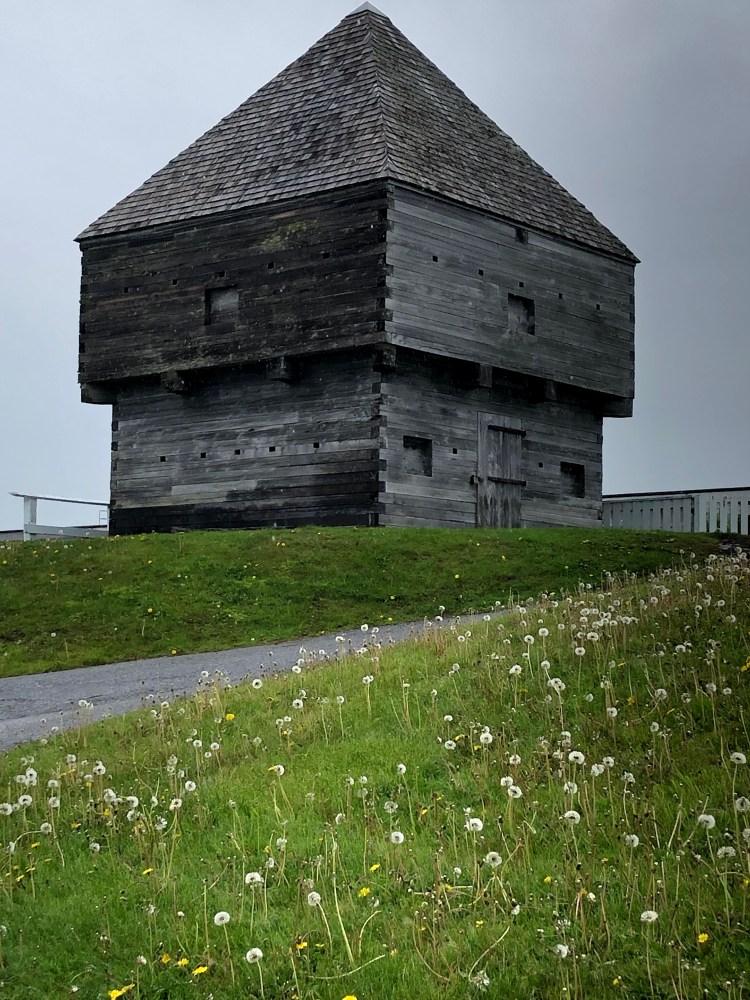
We walked around the Harbor area of the town looking at homes, churches and other buildings from the very early 1800’s. After dinner at Billy’s Seafood Company we drove by two historic forts.  By this time it was raining pretty hard and that limited our outside activities. The Carleton Martello Tower and Fort Howe were built to protect Saint John from attack by the American Navy from the river or sea.

img_4461-1img_6011img_6028img_6017-1img_6009img_6015-1img_6022-1img_6029-1img_6035-1img_6031img_6044img_4486img_4485img_4488

Scenic Trail the end…

The park closed at 5PM and we raced out making it at 5:01! The rangers were at the gate waiting to lock up as we drove through, whew!!

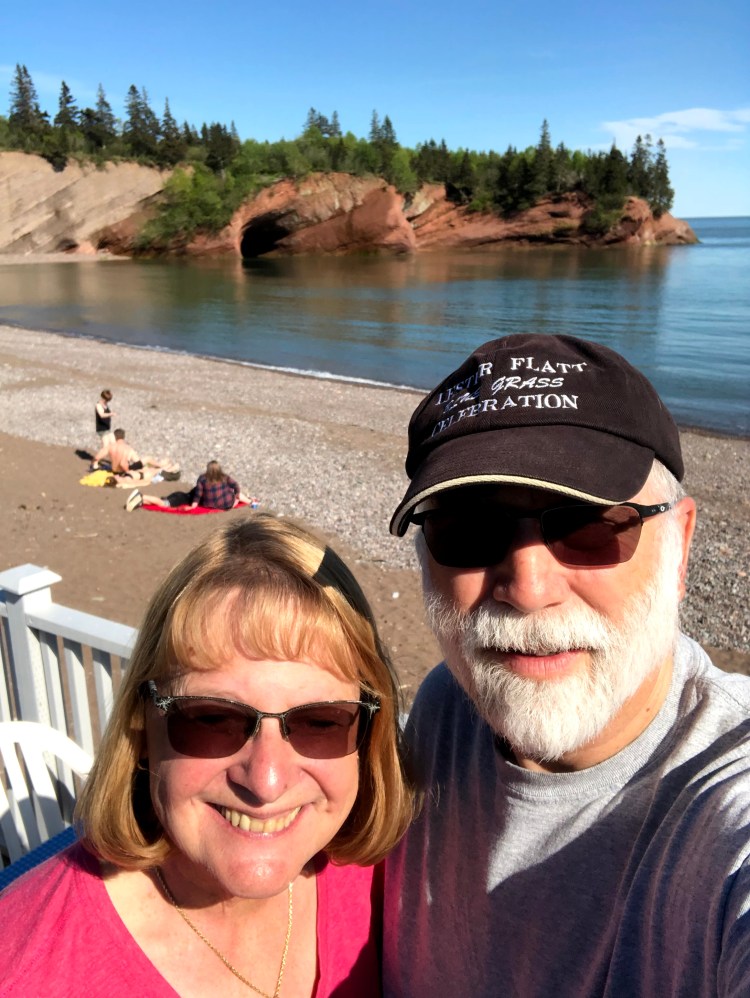
Leaving the trail behind we drove the 4 KM back to the caves at St Martins. We stopped at the Caves restaurant and had dinner with a beautiful view of the caves at high tide. While we ate kayakers paddled right into the cave that we had walked in just a few hours before.

img_5994